
Last updated October 30, 2026
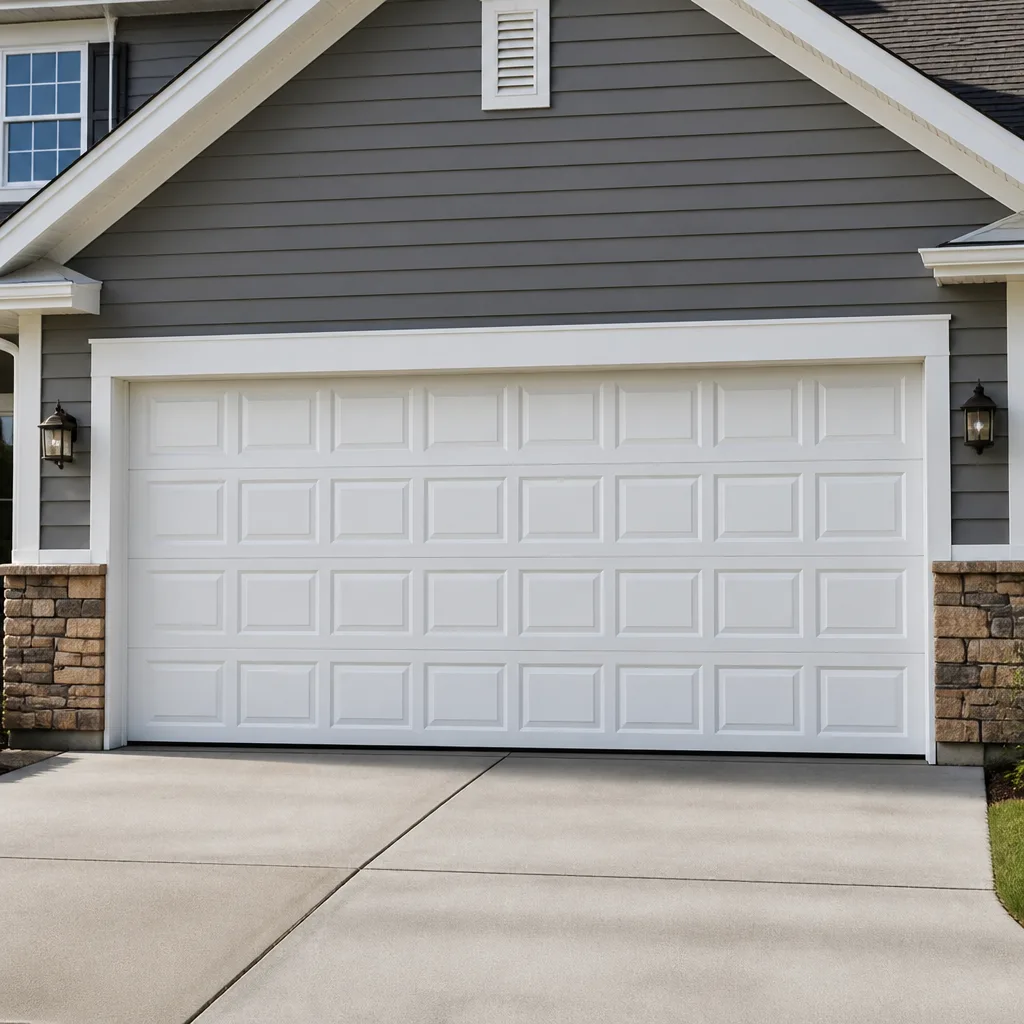 Raised-panel steel
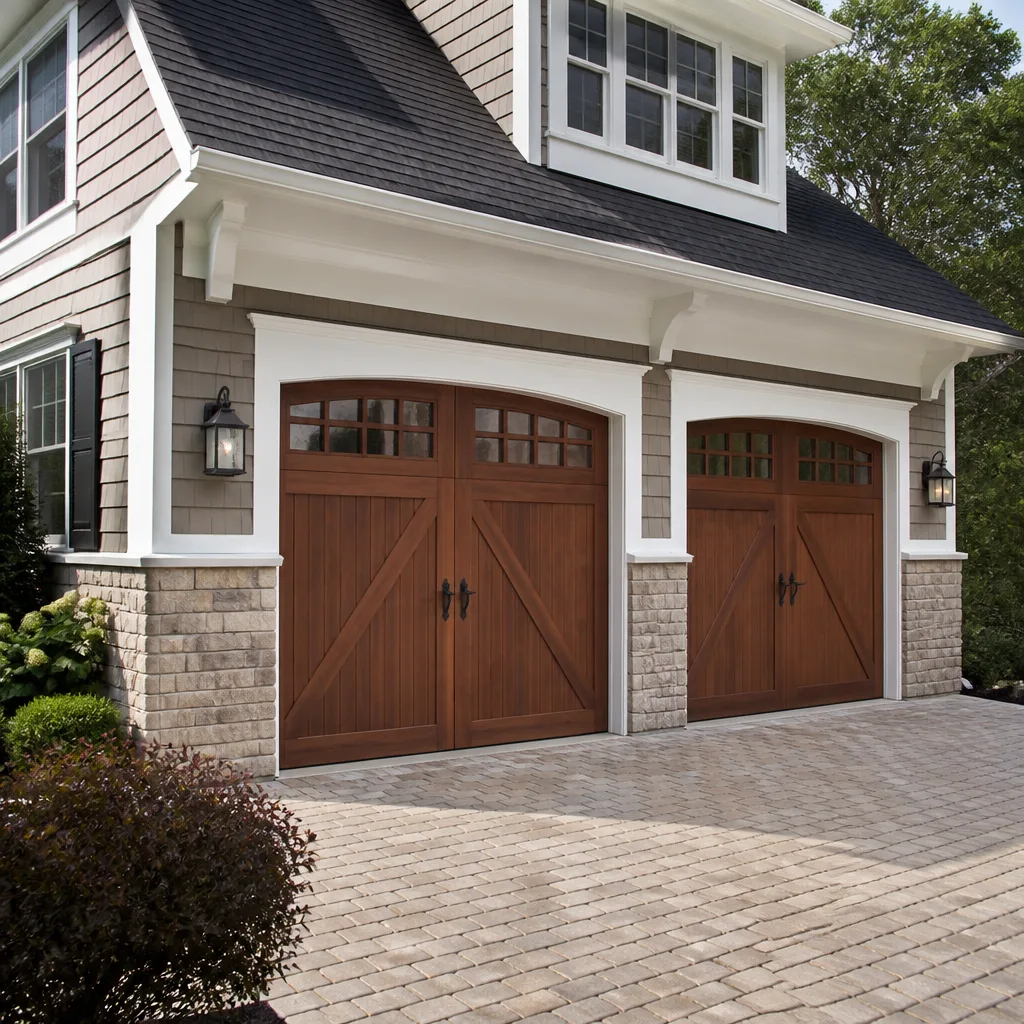 Carriage house
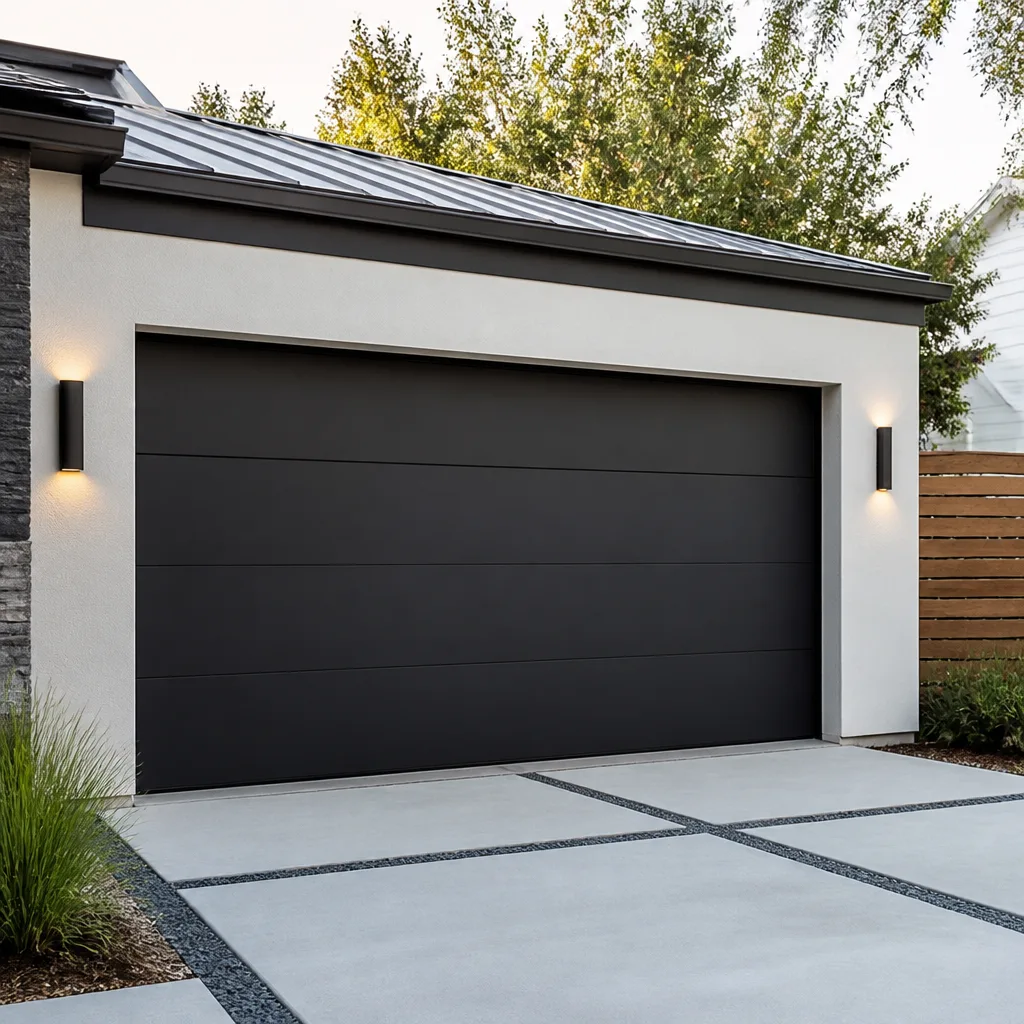 Modern flush
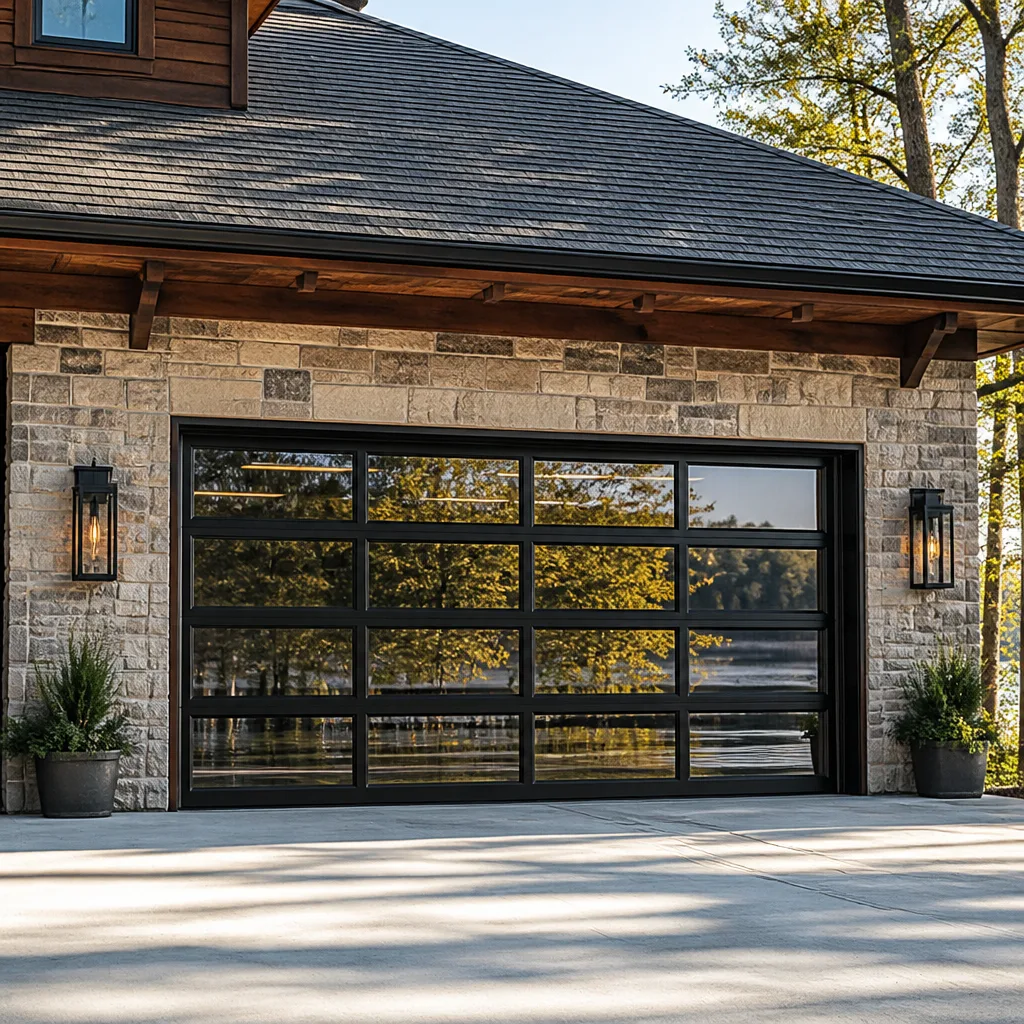 Full-view glass
 LiftMaster openers
 Chamberlain openers
Full 25-point door and opener safety check with every visit - springs, cables, rollers, tracks, and your LiftMaster or Chamberlain opener included
You get a price before we start. It does not change when the truck arrives.
Get your free estimateSeasonal Garage Door Care for Oceanside: Year-Round Homeowner’s Guide
Most garage door maintenance advice you’ll find online was written for places with snow, sub-zero winters, and dramatic spring thaws. Oceanside doesn’t work that way. Our coastal climate follows a different rhythm entirely, and if you’re following a generic national maintenance calendar, you’re checking the wrong things at the wrong time. The real damage cycles in Oceanside run June through September and November through February. This guide breaks down exactly what to do, month by month, so your garage door lasts longer and breaks down less often. For more guidance, see our complete guide to garage doors in Oceanside.
Quick Answer
In Oceanside, garage door maintenance should follow three coastal weather cycles rather than four seasons: marine layer season (June through September) demands seal and spring inspections for moisture damage, Santa Ana season (October through November) calls for track cleaning and weatherstripping checks after wind-blown debris, and winter rain season (December through February) requires threshold seal testing and wood panel inspection. Most Oceanside homeowners should perform a full maintenance pass three times per year, not twice.
Styles & brands we work with
Table of Contents
- Marine Layer Season (June – September): The Moisture Problem Nobody Talks About
- Santa Ana Season (October – November): When the Wind Finds Every Gap
- Winter Rain Season (December – February): Testing What Actually Keeps Water Out
- Coastal UV: The Year-Round Finish Killer
- The Oceanside Month-by-Month Maintenance Calendar
- Common Mistakes to Avoid
- When to Call a Professional
- Frequently Asked Questions
Marine Layer Season (June – September): The Moisture Problem Nobody Talks About
Oceanside’s marine layer isn’t rain, and that’s exactly why it’s dangerous for garage doors. From June through September, the coastal fog rolls in most mornings and evenings, pushing relative humidity consistently above 70 percent. That moisture doesn’t fall as rain, so homeowners look outside and think everything’s fine. But inside the garage, that humidity is doing slow, steady damage.
We’ve seen this pattern repeatedly in neighborhoods like Fire Mountain, South Oceanside, and Rancho Del Oro. What happens is simple: the moist air works its way into every micro-gap around your garage door, condensing on metal surfaces overnight. Over the course of a single summer, that’s enough to accelerate rust on torsion springs, corrode track hardware, and cause rubber seals to develop surface cracking that eventually splits.
What to Do Before Marine Layer Season Peaks
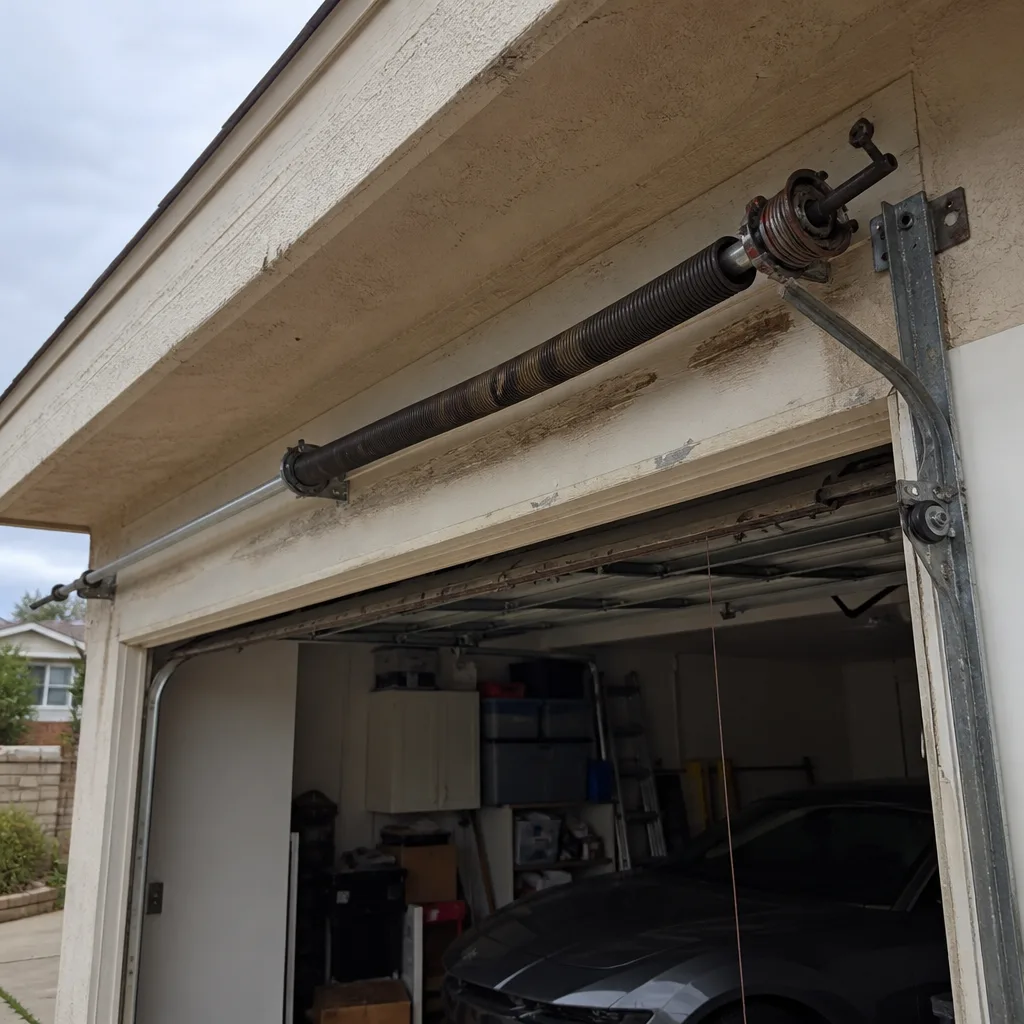
- Inspect your torsion springs in early June. Look for a light orange-brown coating, known as surface oxidation. Small amounts are normal, but if the spring looks uniformly rusted, it’s losing tensile strength. Springs under tension that fail can snap suddenly. This is a high-tension component – we recommend having a professional evaluate any spring showing rust.
- Clean and treat your weatherstripping. The rubber bottom seal and side seals are your first defense against moist air. Wipe them down with a mild soap solution, then apply a silicone-based rubber protectant. Don’t use petroleum-based products; they cause rubber to swell and deteriorate faster.
- Check the balance of your door. Humidity doesn’t cause balance problems directly, but heavier air means more dust and grime settling on tracks. A door that was balanced in May can be slightly off by August. Disconnect the opener (pull the red release cord) and lift the door manually. It should stay open about three feet off the ground on its own. If it falls or springs up, the springs need adjustment.
- Lubricate moving parts in late June. Use a garage-door-specific lubricant (not WD-40, which is a solvent and will strip existing lubrication). Apply to rollers, hinges, and the spring torsion bar. Do not lubricate the track itself; doing so causes the rollers to slip and can throw off your door’s alignment.
One thing specific to Oceanside during this season: the marine layer is thickest in coastal zones like the beach communities near the pier and the San Luis Rey riverbed. If you live within a mile or two of the ocean, plan to inspect seals every four to six weeks during summer. Homes further inland, like those near Camp Pendleton’s main gate or Vista Way toward Mission, get the marine layer too, just slightly thinner and less concentrated.
If you’re not sure what you’re looking at when you inspect your door, our garage door repair service in Oceanside includes a full 25-point inspection with every visit, and we’re happy to walk you through what we find.
Santa Ana Season (October – November): When the Wind Finds Every Gap
Santa Ana winds are a garage door’s least favorite weather event. They pick up fine desert dust, sand, and plant debris, then drive it against your garage door at sustained speeds that regularly hit 30 to 50 mph in Oceanside’s hillier areas, like Mira Costa and the eastern edges of Oceanside Boulevard. That airborne grit doesn’t just land on your door; it works its way into tracks, photo-eye housings, and the gaps around your weatherstripping.
The damage pattern we see most often during Santa Ana season in Oceanside is photo-eye misalignment. The safety sensors at the bottom of your garage door track sit low enough that wind-driven debris knocks them slightly out of alignment. One good gust, one tumbling leaf pile, and suddenly your door refuses to close all the way with no clear explanation. The fix is usually quick, but it’s frustrating if you don’t know what’s happening.
Santa Ana Preparation Steps
- Clear tracks and sills in early October. Remove any leaf litter, palm fronds, or sand that’s collected along the bottom track. Use a leaf blower or a stiff brush, not a hose.
- Check photo-eye alignment. The sensors should sit facing each other with solid green (or sometimes amber) indicator lights. If one’s blinking, the alignment is off or something is blocking the beam. Gently adjust the sensor back to level. If the light stays off, it may need cleaning or replacement.
- Look for weatherstripping gaps. Santa Ana winds are dry and directional. Hold your hand near the top and sides of the closed door while the wind is blowing to feel for drafts. Any gap you can feel is a gap that’s letting dust and heat into your garage.
- Inspect the top seal. The strip running along the top of your door frame catches a lot of wind-blown grit. If it’s torn or compressed, replace it before the winter rain season begins.
One common repair we handle during this window is track damage from debris. It’s not always dramatic; sometimes it’s just a small pebble wedged into the track channel that causes a grinding noise and uneven movement. If you hear new sounds or feel resistance when the door operates, don’t ignore it. A track issue that’s caught in October is a simple fix. The same issue left until December becomes a bigger problem when you’re operating the door twice as often during the holidays.
For homeowners with Genie and LiftMaster openers, we also recommend testing the auto-reverse feature during this window. The dry, dusty air can interfere with the safety beam’s sensitivity. Place a 2×4 flat on the ground under the door path and close the door. It should reverse within two seconds of contact. If it doesn’t, the opener’s force settings need attention. That’s a quick job for our garage door opener repair team in Oceanside.
Winter Rain Season (December – February): Testing What Actually Keeps Water Out
Oceanside gets most of its annual rainfall between December and February, often in a handful of concentrated storms rather than constant drizzle. That’s dangerous for garage doors because it means long dry spells followed by sudden, heavy downpours. Your threshold seal and weatherstripping need to hold up in real rain, not just against morning fog. If they’ve degraded during marine layer season and been further stressed by Santa Ana winds, a good winter storm will find every weak point.
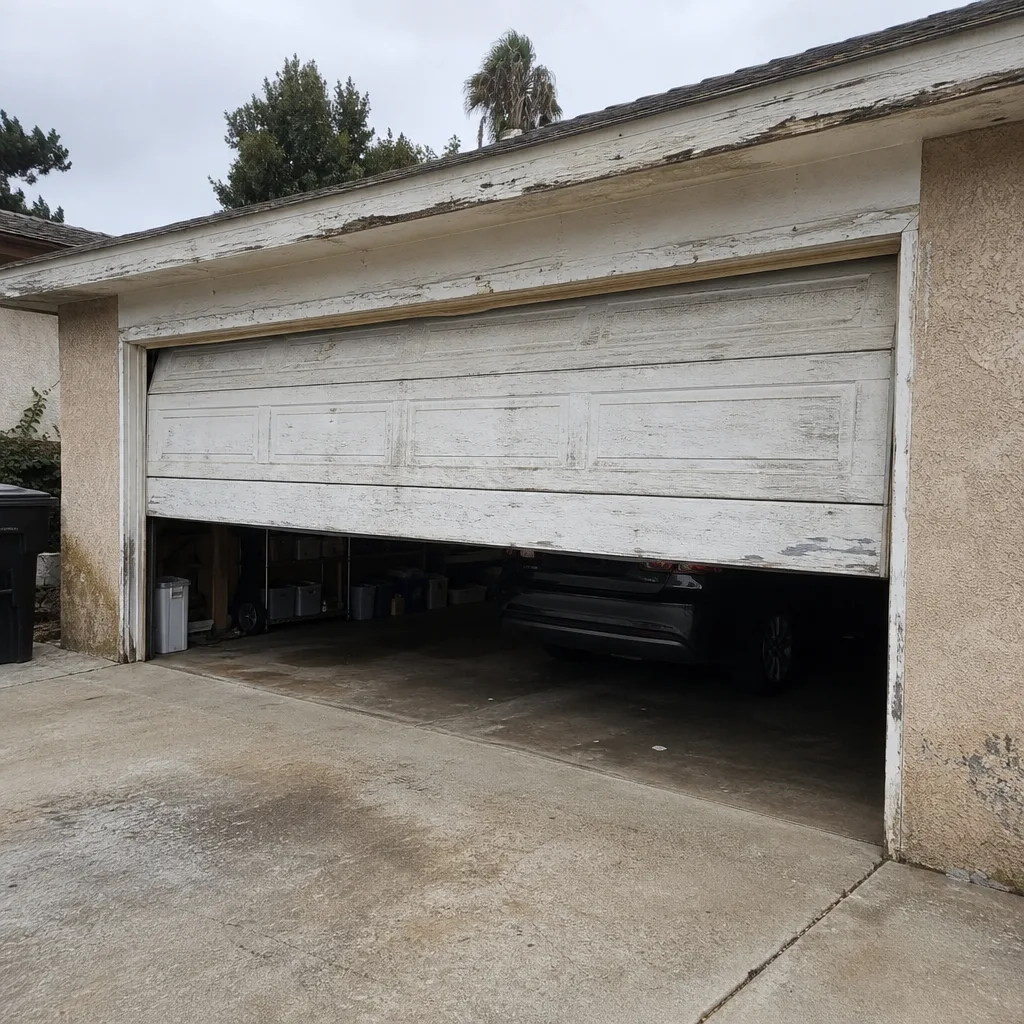
We also see a lot of wood door panel issues emerge in this season. Wood garage doors, including many from Clopay and Wayne Dalton product lines, absorb ambient moisture through tiny gaps in paint or sealant. When a heavy rain hits, the wood swells. When it dries out again, it contracts. That cycle of swelling and contracting, repeated over several winters, causes warping, cracking, and eventually rot along the bottom panels.
Winter Rain Preparation Steps
- Test your threshold seal with water. On a dry day, close the door and run a hose along the bottom edge on the outside. Have someone inside check for water intrusion. Even a 1/4-inch gap allows enough water to soak cardboard boxes and damage stored items.
- Check for wood panel softness. Press on the bottom 12 inches of each wood panel, especially near corners. Soft spots, discoloration, or paint bubbling are early signs of water damage. Treating rot early can save a panel; ignoring it means panel replacement.
- Inspect and clear drainage channels. If your garage floor slopes slightly toward the door (common in Oceanside’s beach-adjacent and hillside homes), make sure the area just outside the door stays clear of debris so water doesn’t pool and seep under the seal.
- Lubricate again in mid-December. Rain and cool air can stiffen existing lubrication. A quick reapplication to rollers, hinges, and springs helps keep the door running smoothly through the wet season.
If you live in a lower-elevation area like the San Luis Rey river valley or low spots near Buena Vista Lagoon, you’ll want to pay extra attention to water pooling, even after moderate storms. These neighborhoods can collect runoff that seeps under doors that would stay dry in higher areas like Fire Mountain or Peacock Hills.
For homeowners considering a door replacement, this is worth keeping in mind: an garage door installation in Oceanside that includes a high-quality bottom seal and proper threshold fitting can prevent the bulk of winter water issues before they start. Some modern doors from Amarr and Wayne Dalton integrate reinforced bottom seals that handle standing water far better than older single-flap designs.
Coastal UV: The Year-Round Finish Killer
One of the most counterintuitive aspects of Oceanside’s climate is that your garage door takes UV damage even on overcast days. The marine layer diffuses sunlight rather than blocking it, meaning the full UV spectrum reaches your door from all angles, not just the direct south and west exposure you’d worry about inland. For painted steel doors and stained wood doors, the result is the same: faster fading, chalking, and breakdown of the protective finish than you’d see in Riverside or Escondido.
This matters more than aesthetics. When paint or sealant breaks down on the bottom edge of a steel door, the underlying metal is exposed to the salt-and-humidity air that defines so much of life near the coast. Rust starts at the seam, then works upward. On wood doors, UV damage creates micro-cracks in the finish that become moisture entry points during rain season.
Annual Finish Check You Can Do in 15 Minutes
- Look at the bottom panel of your door first. It’s closest to the ground and catches the most UV reflection off driveways and sidewalks, especially if you have a light-colored concrete approach.
- Run a hand over the surface. If it feels chalky or leaves a residue on your fingers, the clear coat or paint is oxidizing.
- Check the side facing west or southwest. That’s the most UV-exposed surface in Oceanside for most homes with a standard front-facing garage.
- Note any color change. Compare the bottom panel to the top panel. A noticeable difference means the finish has been degrading for a year or more.
If your door was installed within the last few years and the finish is already fading, the original coating may not have been designed for coastal environments. A quality repaint or refinish can add years to the door’s life. For steel doors, we recommend high-solids acrylic exterior paint rated for marine environments. For wood doors, a penetrating sealer rather than a surface film works better, since it allows the wood to expand and contract without cracking.
The Oceanside Month-by-Month Maintenance Calendar
Here’s the maintenance rhythm that actually matches how weather works in Oceanside. If you do nothing else, hit these three checkpoints: early June, mid-October, and early December.
January
- Monitor door operation during and after storms.
- Check for water intrusion along the bottom seal.
- Inspect any wood panels for soft spots developing from December rain.
February
- Clean grit and salt residue from tracks and rollers.
- Inspect cables for fraying; winter moisture accelerates cable wear.
- Test the auto-reverse feature on your opener.
March
- Wipe down all seals with mild soap and water.
- Check hinge bolts and track brackets for looseness.
- Lubricate rollers, hinges, and springs.
April
- Inspect the bottom seal for cracks and gaps.
- Check the condition of the emergency release cord.
- Clean the photo-eye lenses with a soft cloth.
May
- Test door balance by disconnecting the opener and lifting manually.
- Clear cobwebs and debris from the opener rail.
- Check weatherstripping around the sides and top of the door frame.
June (Marine Layer Season Starts)
- Inspect torsion springs for surface rust and oxidation.
- Apply silicone protectant to all rubber seals.
- Verify the door closes tightly against the threshold in the evening, when the marine layer is thickest.
July
- Recheck seals in high-humidity neighborhoods (within 2 miles of the coast).
- Listen for new grinding or squealing sounds; address them now, not in winter.
- Inspect the bottom panel for early signs of rust or finish breakdown.
August
- Reapply silicone protectant to seals that look dry or cracked.
- Check that the door still opens and closes smoothly at both slow and normal speeds.
- Test the wall-mounted opener button and remotes for consistent response.
September
- Final marine layer season inspection: springs, seals, balance.
- Clear any accumulated dust from the opener’s motor housing vents.
- Check the sensor alignment before Santa Ana season arrives.
October (Santa Ana Season Starts)
- Clear all debris from tracks and sills after the first significant wind event.
- Check weatherstripping for gaps on all four sides of the door.
- Test and adjust photo-eye alignment.
November
- Second Santa Ana check: re-clear tracks, re-test safety features.
- Inspect top seal for wind-abrasion damage.
- Begin winter rain season preparation.
December (Winter Rain Season Starts)
- Full threshold seal water test.
- Inspect wood panels for softness and moisture damage.
- Reapply lubrication to moving parts before the coldest months.
This calendar works well for most Oceanside homeowners, whether you’re in the older neighborhoods west of Interstate 5 or the newer developments east of El Camino Real. The core insight is simple: your garage door needs attention in summer for moisture, in fall for wind, and in winter for water, regardless of what a generic national maintenance guide tells you.
Common Mistakes to Avoid
- Following a spring/fall maintenance schedule. That national template might work in Chicago or Boston, but it doesn’t match how weather actually works in Oceanside. If you maintain your door in April and October, you’re missing the entire marine layer season when the most corrosive damage occurs.
- Using WD-40 as a garage door lubricant. It’s a solvent, not a lubricant. It strips existing grease and dries out faster than a proper garage door lubricant. This is the single most common mistake we see from homeowners.
- Ignoring small rust spots on springs. A little surface rust might not look serious, but on a torsion spring under hundreds of pounds of tension, oxidation weakens the metal over time. Letting it progress is the most common cause of premature spring failure we encounter in Oceanside’s coastal environment.
- Hosing down the garage door to clean it. Water from a hose gets into places rain doesn’t, like the inside of tracks, the opener’s motor housing, and the gap behind the weatherstripping. Use a damp cloth or a leaf blower instead.
- Adjusting the photo-eyes without checking alignment first. Many homeowners twist and bend sensors trying to fix a closing problem, when the real issue is a loose bracket or a wiring fault. Make one small adjustment at a time, then test.
- Waiting for a visible problem before doing maintenance. By the time your garage door is making a clear grinding noise or refusing to open, the underlying issue has been developing for weeks or months. Seasonal checks exist to catch problems before they reach that level.
When to Call a Professional
Some maintenance tasks are genuinely DIY-friendly: cleaning tracks, checking seals, wiping down photo-eyes. But certain situations call for a trained eye and the right equipment, as covered in our complete garage door repair guide for Oceanside homeowners. If you notice a torsion spring that’s broken or shows significant rust, do not attempt to adjust or replace it yourself. These springs are under extreme tension and can cause serious injury if mishandled. Same goes for cables that are frayed, loose, or off the drum. Any issue involving the spring-and-cable system warrants a professional.
If your opener is making grinding noises, failing to reverse on obstruction, or opening and closing on its own, the issue is likely electrical or electronic rather than mechanical. We work on all major opener brands, including LiftMaster, Chamberlain, Genie, and Craftsman, and we fix problems other companies will tell you require a full replacement. Canyon Garage Door Repair offers free estimates in Oceanside, call (844) 295-2241 to schedule a visit.
Frequently Asked Questions
Three times per year, timed to the weather patterns: early June, mid-October, and early December. Use a garage-door-specific lubricant, never WD-40. Coastal humidity and Santa Ana dust both accelerate wear on moving parts, making this schedule more appropriate for Oceanside than the generic twice-per-year advice found in national guides.
Because the marine layer delivers moisture differently than rain. Ocean air carrying salt particles and 70 percent or higher humidity condenses on metal surfaces overnight, and that condensation sits on springs, tracks, and hardware for hours at a time. Your door is getting wet constantly; it’s just happening in the form of fog and marine air rather than rain. Call (844) 295-2241 for a spring inspection if you’re seeing rust development.
The winds themselves rarely cause structural damage to a properly installed door. What they do is fill tracks with sand and debris, misalign photo-eyes, and blast the weatherstripping with high-speed grit. A door that already has a slight track issue or worn seal will get noticeably worse after a Santa Ana event. Check your tracks and photo-eyes after the first major wind, and call us if the door is binding or the sensors won’t align.
Press on the bottom 12 inches of each panel, especially near corners and joins. Soft spots, visible discoloration, peeling paint, or a spongy feel all indicate moisture damage. In Oceanside, this damage comes from the swelling-and-contracting cycle caused by winter rain plus year-round humidity, not from direct water contact alone. Early treatment can save a panel; ignoring it usually means panel replacement.
Yes, and we recommend doing it three times per year in Oceanside. The photo-eye mechanism and force settings can drift out of calibration, especially after Santa Ana winds knock the sensors or after significant temperature swings. A door that fails to reverse on contact is a safety hazard. Place a solid object (like a 2×4) under the closing door and confirm it reverses within two seconds of contact. If it doesn’t, call us at (844) 295-2241 for an opener safety check.
Late spring, between late April and early June, before the marine layer season peaks and before Santa Ana winds arrive. If you’re still weighing options, our buyer’s guide for choosing the right garage door brand in Oceanside can help. This gives the new door time to settle and the installation seals time to cure in the mildest weather Oceanside offers. It also means any adjustments needed after installation are handled before the fall wind season tests your new weatherstripping. A free estimate from our installation team only takes about 30 minutes of your time.
The Bottom Line
Oceanside garage doors live in a unique environment defined by marine layer humidity, Santa Ana wind, seasonal rain, and near-constant coastal UV exposure. Generic maintenance advice wasn’t written for this climate. The right schedule here is three focused maintenance passes: one in early June to prepare for the moisture-heavy summer, one in mid-October after the first Santa Ana winds, and one in early December before the winter rain season arrives. Do those three things consistently, fix small issues when they appear, and your garage door will outlast doors that get the standard spring-and-fall treatment. If you’re not sure what you’re looking at, or if you find something that needs attention, we’re a phone call away. You can also explore more guides & resources on our blog.
Written by the team at Canyon Garage Door Repair, serving Oceanside since 2017.
See the difference
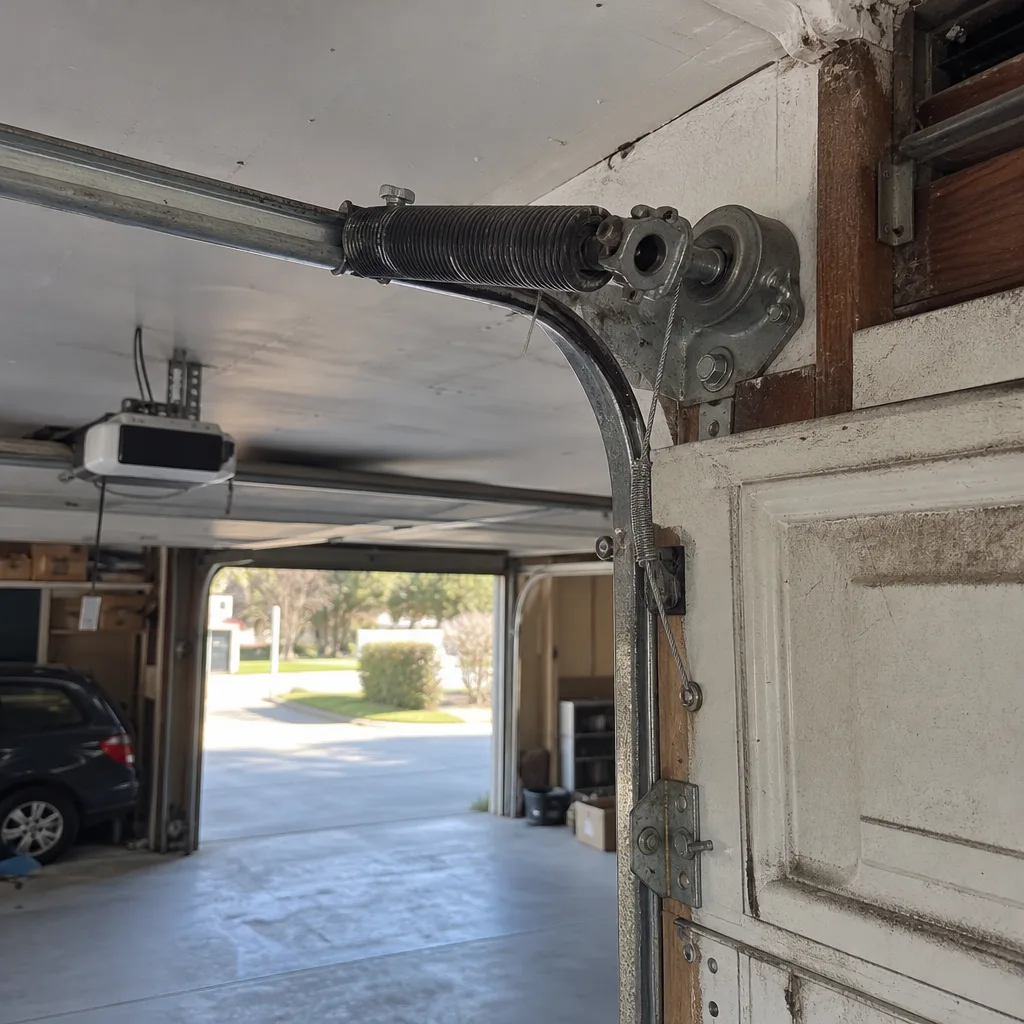 Before
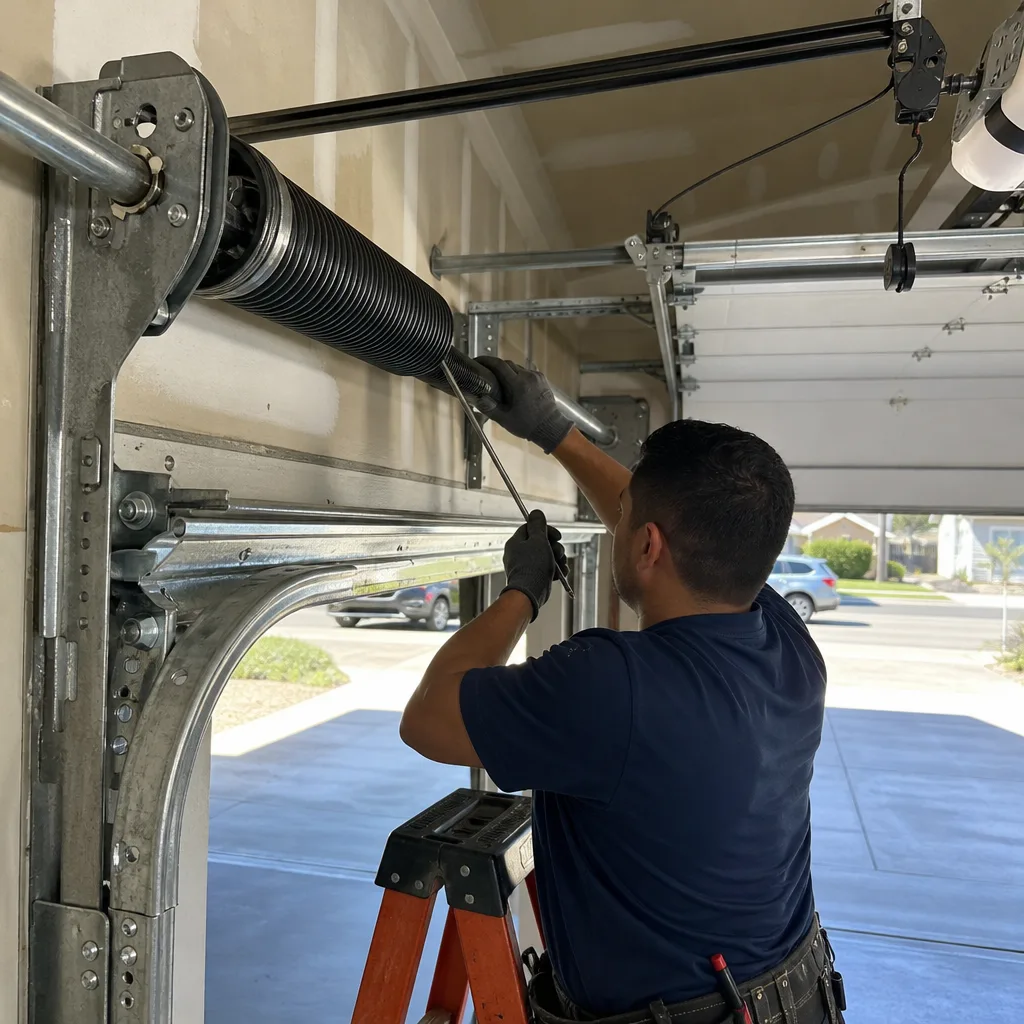 After
 Before
 After
 Before
 After