Last updated October 30, 2026
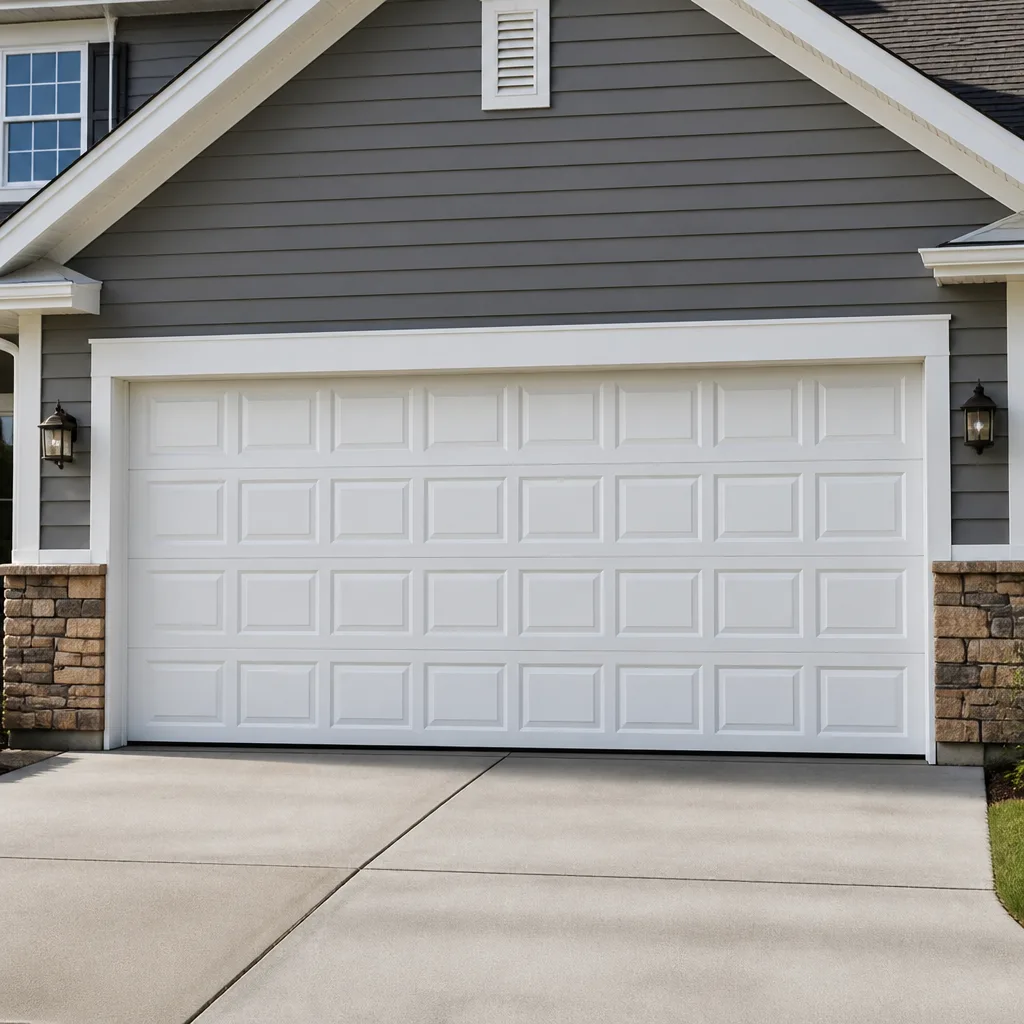 Raised-panel steel
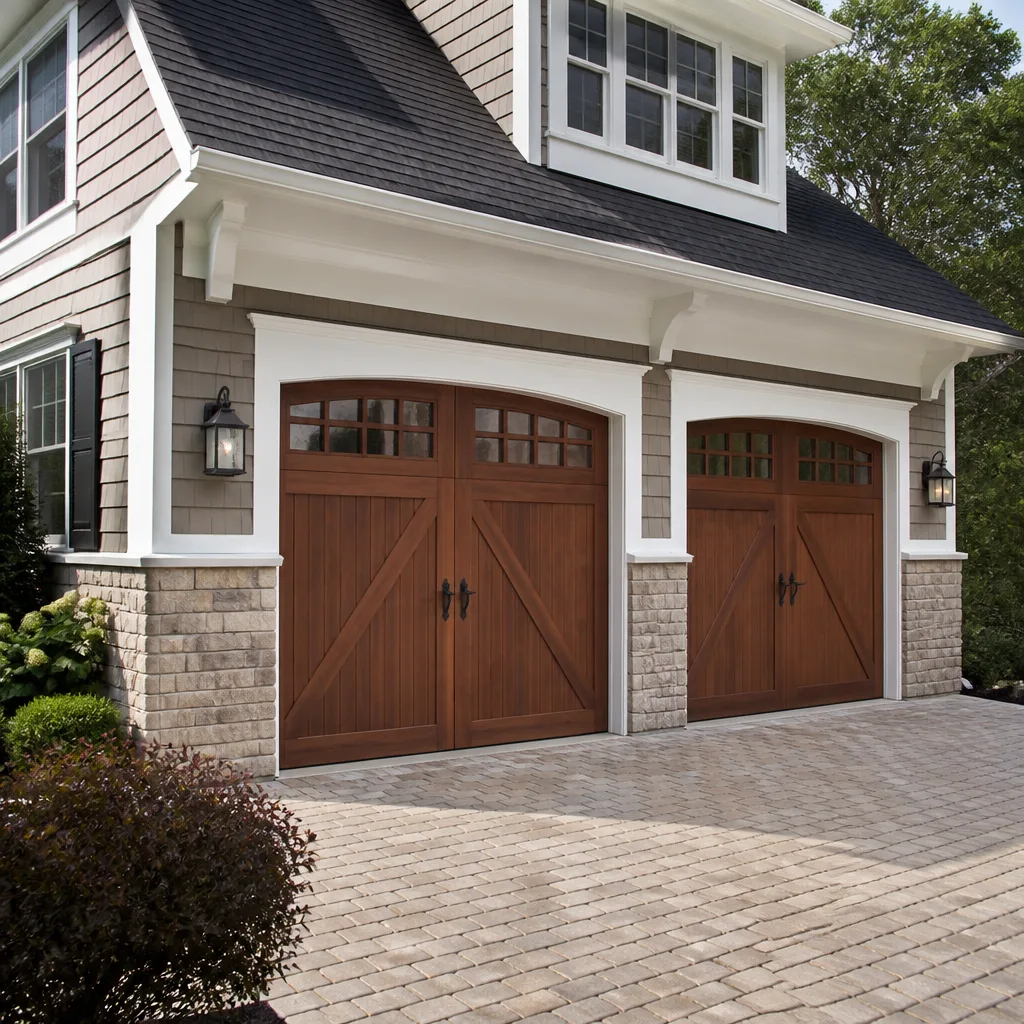 Carriage house
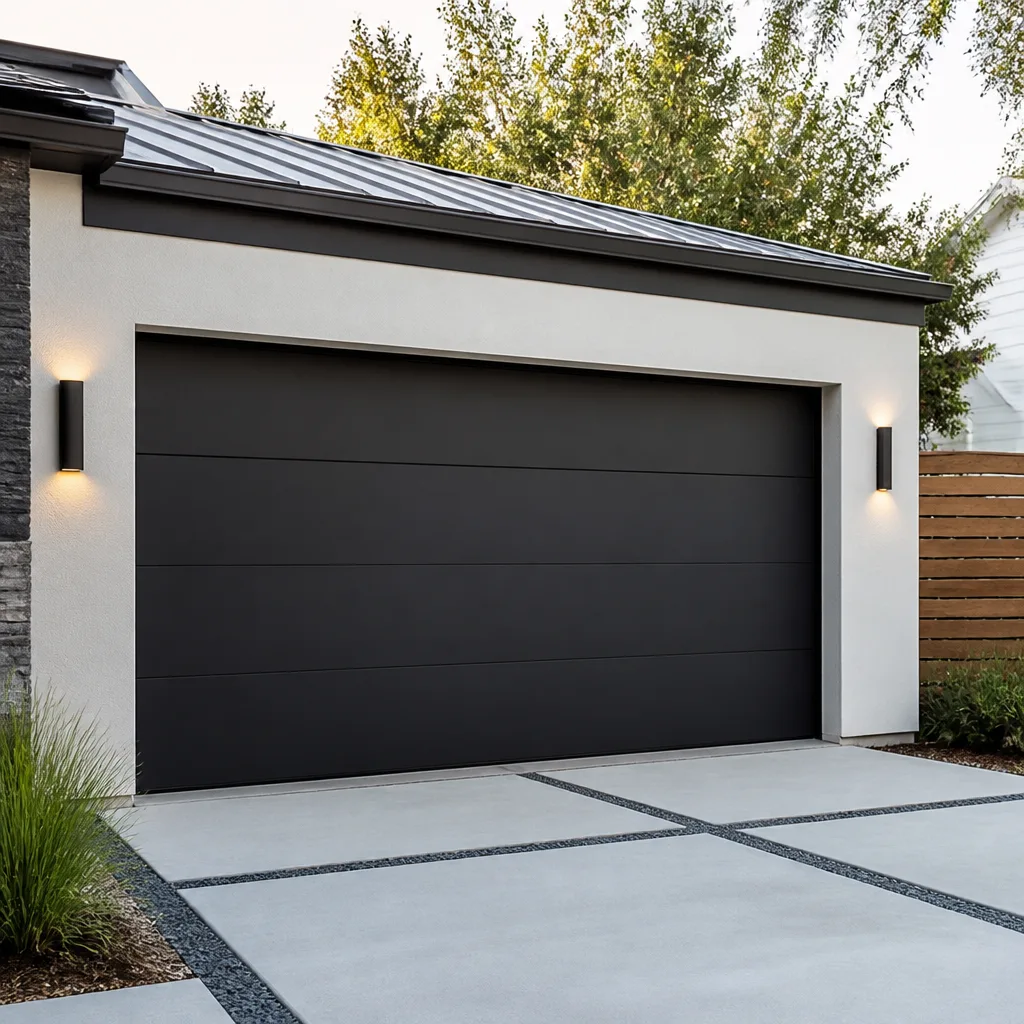 Modern flush
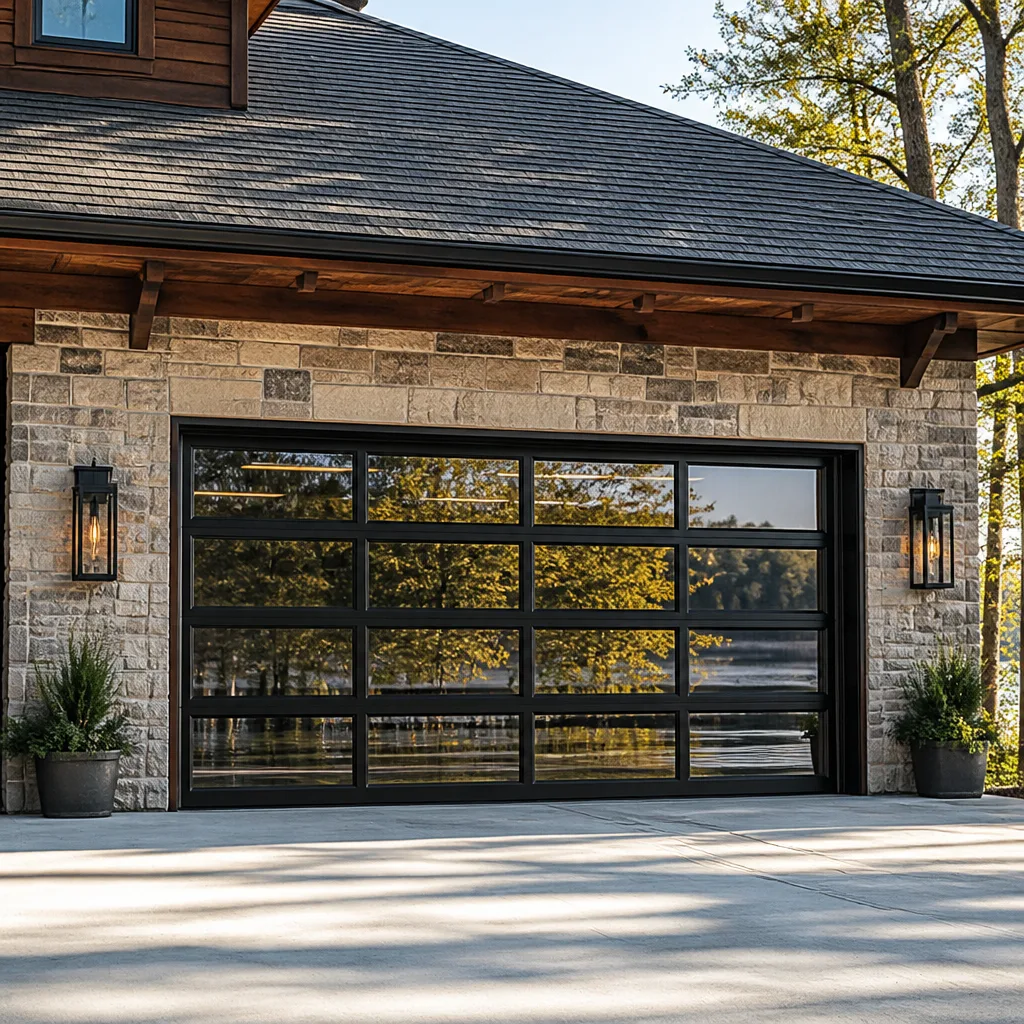 Full-view glass
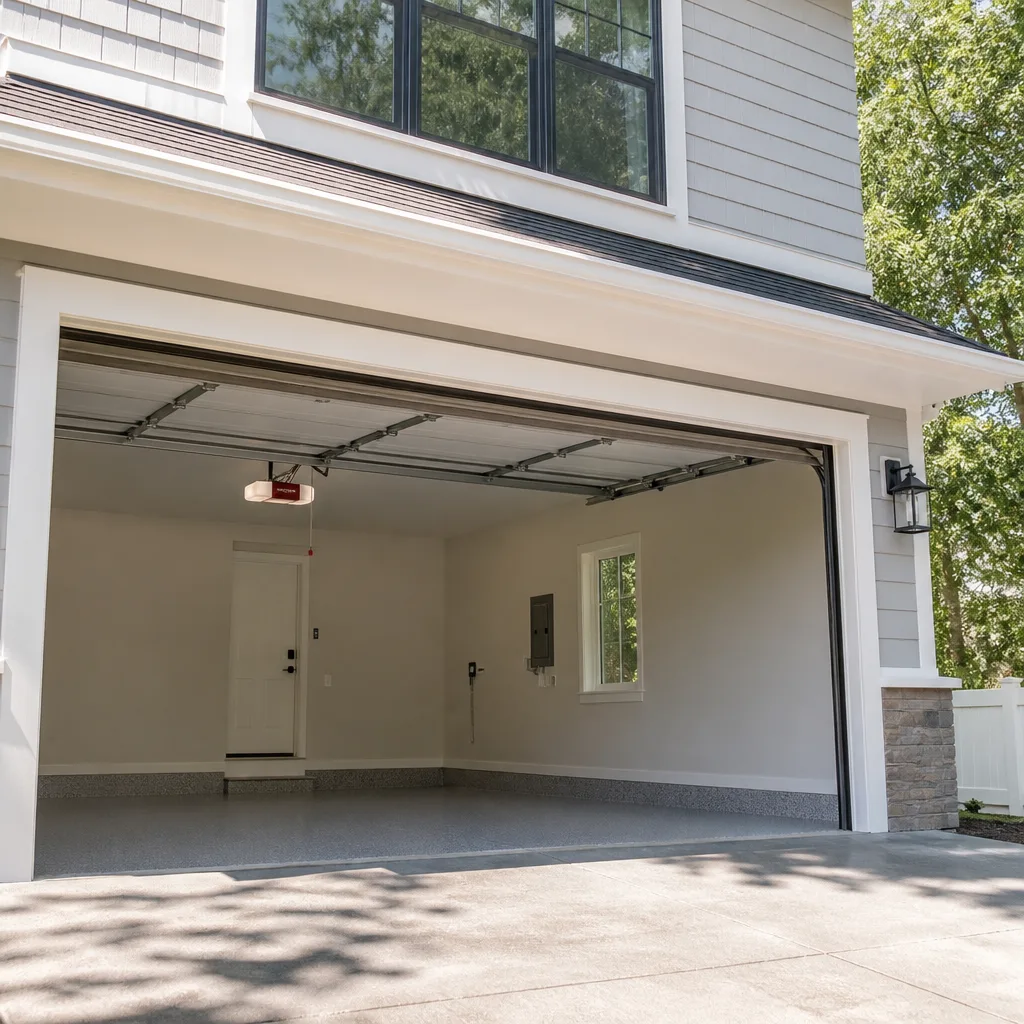 LiftMaster openers
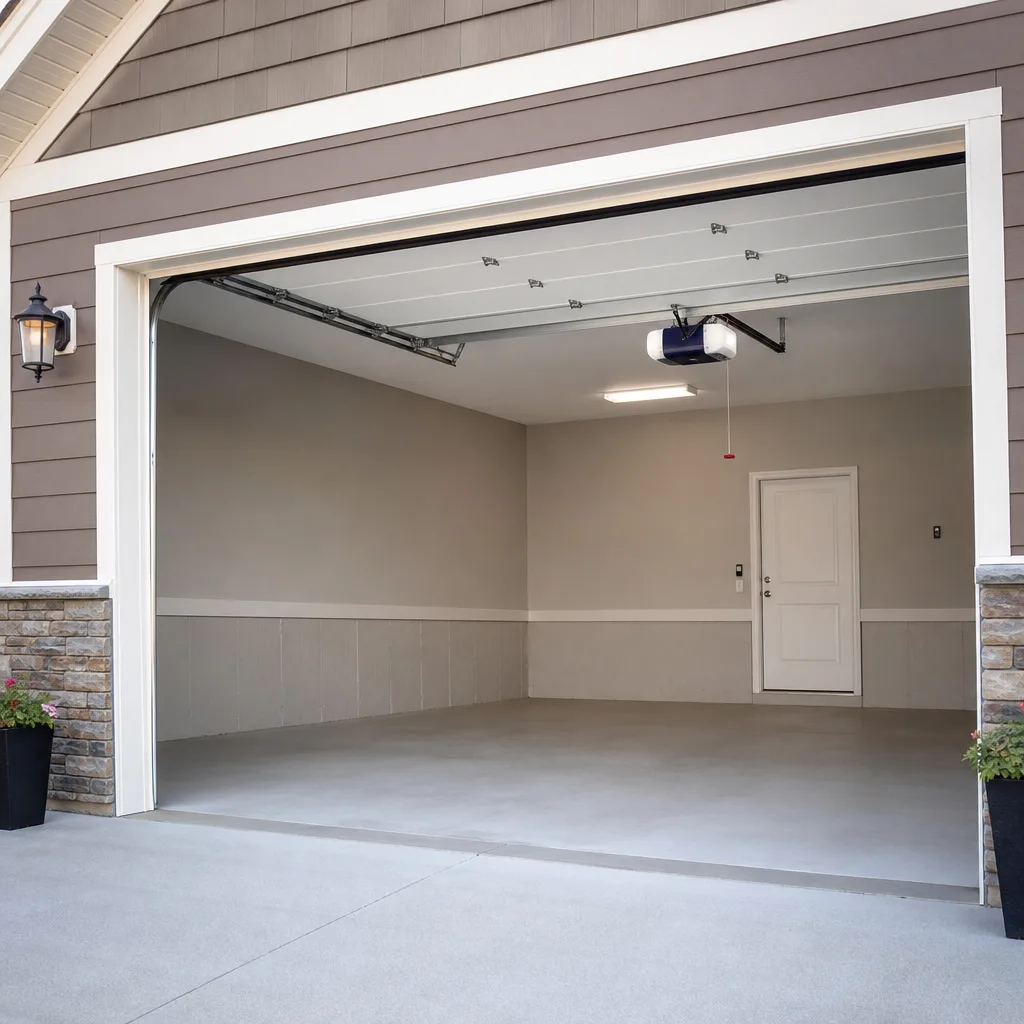 Chamberlain openers
Full 25-point door and opener safety check with every visit - springs, cables, rollers, tracks, and your LiftMaster or Chamberlain opener included
You get a price before we start. It does not change when the truck arrives.
Get your free estimateChoosing the Right Garage Door Brand: A Buyer’s Guide for Oceanside
The most popular garage door brand in the United States is not the best choice for a west-facing door in coastal Oceanside. We’ve read the warranty fine print that most buyers never see, and in several cases, the finish warranty is voided entirely within one mile of saltwater. That’s not a hypothetical: it’s the specific language buried in the documentation of brands that dominate sales in inland markets like Temecula or Escondido but struggle on the coast. This guide explains what actually matters when selecting a garage door for an Oceanside home: corrosion resistance, sun exposure, HOA finish requirements, and parts availability across North County. For a deeper dive, see The Complete Guide to Garage Door in Oceanside. By the time you finish reading, you’ll know which brands hold up here and which ones cost more over a decade of salt air and marine layer.
Styles & brands we work with
Quick Answer
The best garage door brands for Oceanside homes are those with factory-certified coastal finishes, warranties that explicitly cover marine environments, and local distributor stock in North San Diego County. Clopay’s Ultra-Grain series and Amarr’s coastal-rated steel doors consistently perform well within five miles of the Pacific, while aluminum and fiberglass options from Wayne Dalton and Raynor avoid rust altogether. The right choice depends on your door’s orientation, your distance from saltwater, and your HOA’s architectural standards, not what’s discounted at a big-box retailer this month.
Table of Contents
- Brand-by-Brand Coastal Performance: What Actually Survives Salt Air
- Reading the Warranty: The Coastal Exclusion Language That Voids Coverage
- Material Comparison in Real Oceanside Conditions: 5-Year and 10-Year Cost Projections
- HOA Compliance Mapping: Which Brands Offer the Architectural Finishes Oceanside HOAs Require
- The Parts Availability Factor: Local Distributor Stock in North County
- How Your Door’s Orientation Changes the Brand Equation
- Steel Gauge, Insulation, and Construction: Specs That Matter More Than the Logo
- Opener Compatibility: Matching the Door Brand to Your Opener
- Common Mistakes to Avoid
- When to Call a Professional
- Frequently Asked Questions
- The Bottom Line
Brand-by-Brand Coastal Performance: What Actually Survives Salt Air
Not all garage door manufacturers engineer for marine environments. In our experience replacing and repairing doors across Oceanside, from Fire Mountain to Rancho del Oro, we’ve watched certain finishes fail within four years while others still look new after twelve. The difference comes down to primer chemistry, topcoat quality, and whether the manufacturer offers a dedicated coastal package. Here’s what we’ve observed with the brands most commonly installed in this area.
Clopay offers the most aggressively engineered coastal finish among major residential door brands. Their Ultra-Grain steel series uses a polyester topcoat over a zinc-galvanized substrate, and their coastal warranty rider extends coverage to homes within 1,500 feet of saltwater in most installations. We see Clopay doors in the older beach neighborhoods near the Oceanside Pier holding up better than most, though the west-facing doors on Buena Vista Lagoon still need annual washing to prevent salt pitting on the lower panel edges.
Wayne Dalton takes a different approach: their 9000 series features a factory-applied foamed-in-place polyurethane core with a hot-dipped galvanized steel skin that resists rust from the inside out. The Wayne Dalton ThermMark finish carries a specific marine warranty in some product lines, but you have to ask for the coastal specification at the time of purchase. It is not automatic.
Amarr builds doors in North Carolina, where Atlantic coast conditions shaped their engineering priorities. Their Lincoln and Olympus lines use a rust-through perforation warranty that covers coastal exposure, and their powder-coat finish process produces a thicker, more uniform topcoat than most competitors. We have replaced springs on fifteen-year-old Amarr doors near the Oceanside Harbor that showed only minor surface oxidation on the hardware, not the panels.
Raynor emphasizes their EnduraCote finish, a two-step urethane system designed specifically for high-moisture and salt-spray environments. Raynor’s aluminum door options, particularly the AlumaView series, eliminate steel corrosion concerns entirely and we recommend them regularly for homes within a quarter mile of the water in South Oceanside and the Loma Alta corridor.
CHI Overhead Doors fly under most people’s radar, but their Accents series offers one of the stronger coastal warranties among mid-priced steel doors and their factory finish is a polyester over a zinc-phosphate primer that we have watched resist the marine layer in Oceanside’s Tri-City area for a decade without failure. Haas Door and Martin Door manufacture solid products, but their distributor networks in North County are thinner, which becomes a problem when you need a replacement panel matched to your existing door. Overhead Door owns Wayne Dalton and their Thermacore series shares much of the same engineering, with similar coastal durability profiles.
The pattern is consistent: brands that sell heavily in Florida, the Gulf Coast, and Southern California have developed coastal-specific product lines because their customers demanded them. Brands that sell mostly inland have not, and their warranty language reflects that reality.
Reading the Warranty: The Coastal Exclusion Language That Voids Coverage
Garage door warranties appear straightforward on the surface. Most door manufacturers offer a lifetime warranty on the steel or aluminum panel surface and three to five years on hardware and springs. But the specific language around coastal exposure determines whether any of that coverage applies to your Oceanside home. We have helped homeowners file warranty claims and watched others get denied because of fine print they never saw. Our The Complete Garage Door Repair Guide for Oceanside Homeowners walks through how to protect yourself.
The most common exclusion is a distance-from-saltwater clause. Several major manufacturers state that finish warranties are void or reduced for homes located within a specified distance of a body of saltwater. The typical threshold is one mile, though some manufacturers use 1,500 feet or 2,500 feet depending on the product line. If your home sits west of El Camino Real or within the coastal zone that extends up from the San Luis Rey River, you may be inside that radius depending on the manufacturer’s definitions.
Here’s how to read the warranty before you buy:
- Find the finish warranty section, not the general panel warranty. The lifetime rust-through warranty on steel panels is separate from the finish warranty on the appearance of the door. Coastal exclusions typically apply to the finish, not the structural steel.
- Look for the words “marine environment,” “coastal,” “saltwater,” or “within X feet of a body of saltwater.” These are the trigger phrases. If they appear in the exclusions section, your Oceanside home may not be covered unless you purchase a specific coastal finish package.
- Ask the dealer for the coastal specification in writing. Some brands offer an upgraded finish option that includes coastal warranty coverage, but only if you order it specifically. It is not automatically included, and many dealers do not know to offer it.
- Verify whether the warranty covers the hardware. The track, hinges, and brackets on your door are galvanized steel in most cases, but the galvanization weight varies widely between manufacturers. Coastal salt spray attacks hardware first, before the panels, and a panel warranty becomes less useful when the track and hinges are rusted through.
- Keep the original purchase receipt and the door’s serial number sticker. Warranty claims require proof of purchase and the manufacturing date. The sticker on the inside of the door panel fades over time, so photograph it when the door is installed.
One brand-specific note: LiftMaster, Chamberlain, Genie, and Craftsman are opener manufacturers, not door manufacturers. Opener warranties operate under different rules and rarely include salt-spray exclusions, but the ceiling-mounted position of openers means they see less direct salt exposure than the door itself. When you call a garage door company about warranty work, having your door and opener documentation organized saves a service call.
Material Comparison in Real Oceanside Conditions: 5-Year and 10-Year Cost Projections
The material you choose matters more than the brand. A premium brand’s economy line will underperform a mid-tier brand’s coastal-grade steel in an Oceanside marine environment, and the maintenance costs compound faster than most homeowners expect. Here’s what each material actually costs to own over five and ten years on a typical west-facing Oceanside door, including washing, hardware replacement, and panel refinishing. Not sure whether to tackle maintenance yourself? Read our DIY vs Professional Garage Door: The Oceanside Homeowner’s Decision Guide.
Galvanized Steel (G60 or G90 coating): The default material for most residential garage doors. Doors with a G90 galvanized coating and a polyester or polyurethane topcoat handle the Oceanside marine layer well when washed quarterly. Doors with a G60 coating and a vinyl film or thin acrylic finish fade and blush within three to five years on west-facing exposures. Five-year maintenance cost: $200 to $400 for washing supplies and occasional hardware touch-up. Ten-year cost: $600 to $1,200 including replacement hinges or a partial repaint on the lower panel.
Aluminum: Aluminum does not rust, which makes it the most maintenance-free door material for homes within a quarter mile of the Pacific. The tradeoff is dents: aluminum panels dent more easily than steel, and in neighborhoods like South Oceanside where alley access is tight, a stray bicycle or surfboard hits the door more often than anyone admits. Five-year maintenance cost: under $100, mostly washing. Ten-year cost: $200 to $500 including possible dent repair or a panel replacement if damage is severe.
Fiberglass: Fiberglass resists saltwater and does not rust, but it fades under prolonged UV exposure and can develop hairline cracks in the gelcoat surface over time. West-facing fiberglass doors in Ocean Hills and the Camp Pendleton border areas show chalking and dullness after five to seven years. Five-year cost: $150 to $300 including periodic polishing and wax to slow UV degradation. Ten-year cost: $600 to $1,500 including a gelcoat refinish or full repaint.
Wood and Wood Composite: Real wood doors are the most beautiful and the most maintenance-intensive option along the Oceanside coast. The marine layer keeps wood damp for months at a time, and the combination of moisture cycling and salt air breaks down even marine-grade finishes rapidly. We see wood doors in Heritage Ranch and the historical districts near the pier that require refinishing every two to three years. Five-year cost: $1,000 to $2,500 for professional stripping and refinishing. Ten-year cost: $3,000 to $6,000 and rising, not including potential rot repair at panel joints.
For most Oceanside homeowners, G90 galvanized steel with a polyester topcoat or aluminum construction offers the best balance of durability, appearance, and maintenance cost.
HOA Compliance Mapping: Which Brands Offer the Architectural Finishes Oceanside HOAs Require
Oceanside has one of the higher concentrations of HOA-governed communities in North County, and garage door appearance is one of the most common sources of Architectural Review Committee citations. If you live in a planned community like Fire Mountain, Rancho del Oro, or the newer developments off Douglas Drive, your HOA likely has finish requirements that must be met before you can replace your garage door.
The most frequently required finishes in Oceanside-area HOAs are wood-grain texture patterns, specific color families (usually coastal neutrals like driftwood, sandstone, and white), and carriage-house styling with decorative hardware. Your door also must typically match your neighbors’ doors on homes with shared drive courts or adjacent street frontage. Here’s which brands offer the finishes most commonly required:
Clopay offers the broadest wood-grain selection through their Ultra-Grain and Canyon Ridge lines, with the Canyon Ridge series being a composite door molded from actual wood boards that satisfies the carriage-house look most architectural committees want. Their Bridgeport line provides a more economical stamped steel option that reads as wood grain from street distance and passes most HOA reviews.
Amarr matches Clopay in wood-grain realism with their Classica and Oak Summit styles, and their factory stain finishes come closer to the look of stained wood than any other steel door we install. The Oak Summit line is a frequent choice in the oceanfront communities along Pacific Street where the HOA demands coastal styling without wood maintenance.
Wayne Dalton covers the modern and mid-century aesthetic with their Contemporary and Aluminum Full View series, which suit the flat-roof and modern homes in the Loma Alta and Ocean Hills areas. Their charcoal and bronze finish options meet the color requirements of most coastal HOAs without needing custom paint.
Before you commit to a door, pull the finish requirements from your HOA’s CC&Rs or call the management company. It costs nothing and prevents the expensive scenario of a non-compliant door that the ARC orders you to replace before you close on a sale.
The Parts Availability Factor: Local Distributor Stock in North County
Every garage door eventually needs parts, and the availability of those parts determines whether a repair takes one afternoon or two weeks. This is where brand choice has a practical, everyday consequence in Oceanside. The brands with strong distributor networks in San Diego County are Clopay, Amarr, Wayne Dalton, and Raynor, and local suppliers in Vista, San Marcos, and Carlsbad stock their most popular replacement panels, springs, and hardware.
When a door is damaged, whether by a wind gust off the coast or a parking mishap in a tight carport, the repair usually involves matching a single panel or replacing specific hardware components. Some brands keep deep inventory with regional distributors, while others rely on factory-direct shipping that takes a week or longer. In our experience serving Oceanside homeowners, the most practical choice is a door from a manufacturer with a stocking distributor in North County. It means the replacement panel for that Clopay or Amarr door arrives in two days instead of ten, and the track hardware for a Raynor or Wayne Dalton door is on the distributor’s shelf rather than in a warehouse in Ohio.
Here’s the numbered reality of what happens when a part is not available locally:
- Your garage door remains partially or fully inoperable, and depending on which component failed, the door may be secured in a closed or open position for days.
- The repair becomes a multi-visit job instead of a single appointment, and the additional trip charge and labor time are passed through to you.
- If the damaged panel style or finish has been discontinued, a mismatch becomes possible, and the door may never fully match again. More common with low-volume or specialty brands.
Choosing a brand with local distributor stock is not about brand loyalty. It is about reducing the risk that a future repair becomes a weeks-long disruption. When you call Garage Door Repair in Oceanside, the first question about any non-emergency repair is often whether the part is available same-week, and the answer depends on the brand you selected years earlier.
How Your Door’s Orientation Changes the Brand Equation
A west-facing garage door in Oceanside endures a completely different environment than a north-facing or east-facing door on the same street. The afternoon sun off the Pacific reflects UV radiation onto west-facing surfaces, and the temperature swings between morning marine layer and afternoon direct heat expand and contract the door panels in ways that accelerate finish failure on lower-quality coatings. The orientation of your door should influence which brand and finish you select.
West-facing doors take the most direct punishment. The sun hits the door at a low angle from mid-afternoon until sunset, heating the panel surface to 140 degrees or more on clear summer days, then the evening marine layer drops the temperature rapidly. That daily cycle stresses the adhesion between the topcoat and the underlying steel or aluminum. We see finish delamination and chalking on west-facing doors from brands with thinner topcoats three to five years earlier than the same doors on the north side of houses.
For west-facing doors, pick a brand with a premium polyester or polyurethane topcoat. Clopay’s Ultra-Grain and Raynor’s EnduraCote finishes both handle this orientation well. Avoid vinyl laminates and thin acrylic films unless you want to repaint the door within five years.
North-facing and east-facing doors get less direct sun but live in the marine layer longer. The damp afternoon overcast lingers on these doors, and salt residue from the air settles on the surface and holds moisture against the metal. For these orientations, the galvanization weight on the steel matters as much as the topcoat. A G60 coating on a north-facing door near the Buena Vista Lagoon will show rust at the seams and hinge points sooner than a G90 coating.
Steel Gauge, Insulation, and Construction: Specs That Matter More Than the Logo
The brand name on the door matters less than the construction specs behind it, and those specs are printed on the manufacturer’s data sheet for every door sold. Two doors from the same brand can differ dramatically in weight, strength, and insulation depending on the series and gauge of steel used.
Steel gauge refers to the thickness of the panel skin. Lower gauge numbers mean thicker steel: a 24-gauge door is thicker and stronger than a 27-gauge door, though many economy doors use 28-gauge or thinner. For an Oceanside home, thicker steel means better dent resistance and generally longer service life, especially in attached garages where the door sees daily use. The steel gauge varies by brand series, not just by brand, so checking the spec sheet matters more than trusting the logo.
Insulation comes in two forms: polystyrene sheets inserted between panel layers, and polyurethane foam injected between the panel skins and bonded to both sides. Polyurethane is the better insulator and adds rigidity to the panel, but it costs more. If your garage shares a wall with living space or you use the garage as a workshop, gym, or secondary living area, the R-value matters in Oceanside’s mild climate primarily for comfort and energy loss through the ceiling of the garage. An insulated door also runs quieter, which matters in the dense lot layouts common in beach neighborhoods.
Construction details like continuous hinges, riveted brackets, and factory-installed weatherstripping vary by brand series. These are the components that fail first in a salt air environment, not the panel itself. When comparing doors, look at the hardware quality as closely as the door face.
Opener Compatibility: Matching the Door Brand to Your Opener
Most Oceanside homeowners pair a door from one manufacturer with an opener from another, and that combination works fine in nearly all cases. But there are compatibility nuances worth knowing before you buy, and opener brands like LiftMaster and Chamberlain maintain compatibility charts for every door manufacturer they test with.
Heavier wood and wood-composite doors require an opener with a higher horsepower rating and a stronger rail. A quarter-horsepower opener that operates a lightweight aluminum or steel door fine will strain and overheat on a solid wood Carriage House door from Amarr or Clopay. If you are upgrading from a standard steel door to a heavier wood-look composite, factor an opener upgrade into the project cost.
The smart-home integration is another compatibility point. Modern openers from LiftMaster and Chamberlain include built-in Wi-Fi and MyQ connectivity that pairs with most major door brands without issue, but the integration works best when the opener is properly paired to the door’s weight and travel limits during installation. Genie openers follow the same pattern: compatible with any door, but the force settings and travel limits must be adjusted for the specific door weight. A heavier door demands different force settings than a lighter one, and skipping that adjustment shortens both opener and door life.
If you need Garage Door Opener Repair in Oceanside, where we service LiftMaster, Chamberlain, Genie, and Craftsman openers daily, the brand of door on your house is typically not the limiting factor. The opener is usually the failure point more often than the door itself, because the electronics and drive components wear faster than the door panels under daily use cycles.
Common Mistakes to Avoid
- Buying an inland-market door for a coastal home. You save money up front, but the finish warranty is void before the door is installed. The marine layer in Oceanside reaches farther inland than most people assume, so if you live east of Interstate 5 but still see morning fog, treat the house as a coastal installation.
- Assuming every door from a premium brand has coastal-rated finishes. Every major manufacturer makes an economy line, and those budget series use thinner topcoats and lighter galvanization. The brand name on the brochure does not guarantee the finish on the specific model you are buying.
- Skipping the HOA review before ordering the door. We have seen homeowners buy a non-compliant door, install it, and receive a violation letter within a month. The Architectural Review Committee in Oceanside communities like Fire Mountain and Rancho del Oro do not issue retroactive approvals, and the door has to be replaced or repainted at your expense.
- Choosing a garage door purely on price from a big-box display. The door you see in the store is a stripped-down version of what gets installed, often without the insulation, weatherstripping, and hardware upgrades that matter for longevity. The installed price from a garage door professional often equals or beats the big-box final cost once all the missing components are added.
- Ignoring parts availability in your brand decision. A beautiful door with no local distributor support becomes an expensive problem the first time a panel is damaged or a spring needs replacement. The delay costs more than the initial savings.
- Using the same opener on a heavier replacement door. It works for a while, then the motor burns out or the gears strip. Match the opener to the door weight or upgrade both at the same time.
When to Call a Professional
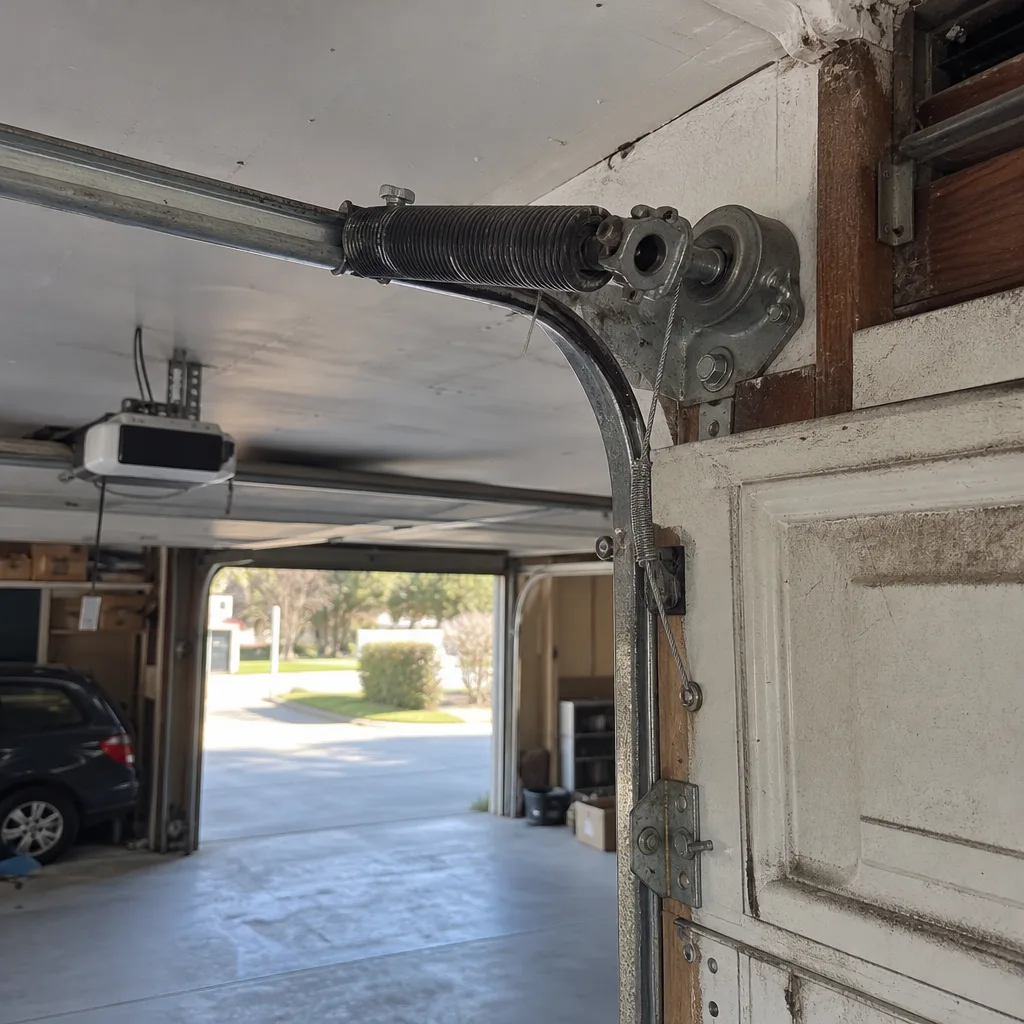
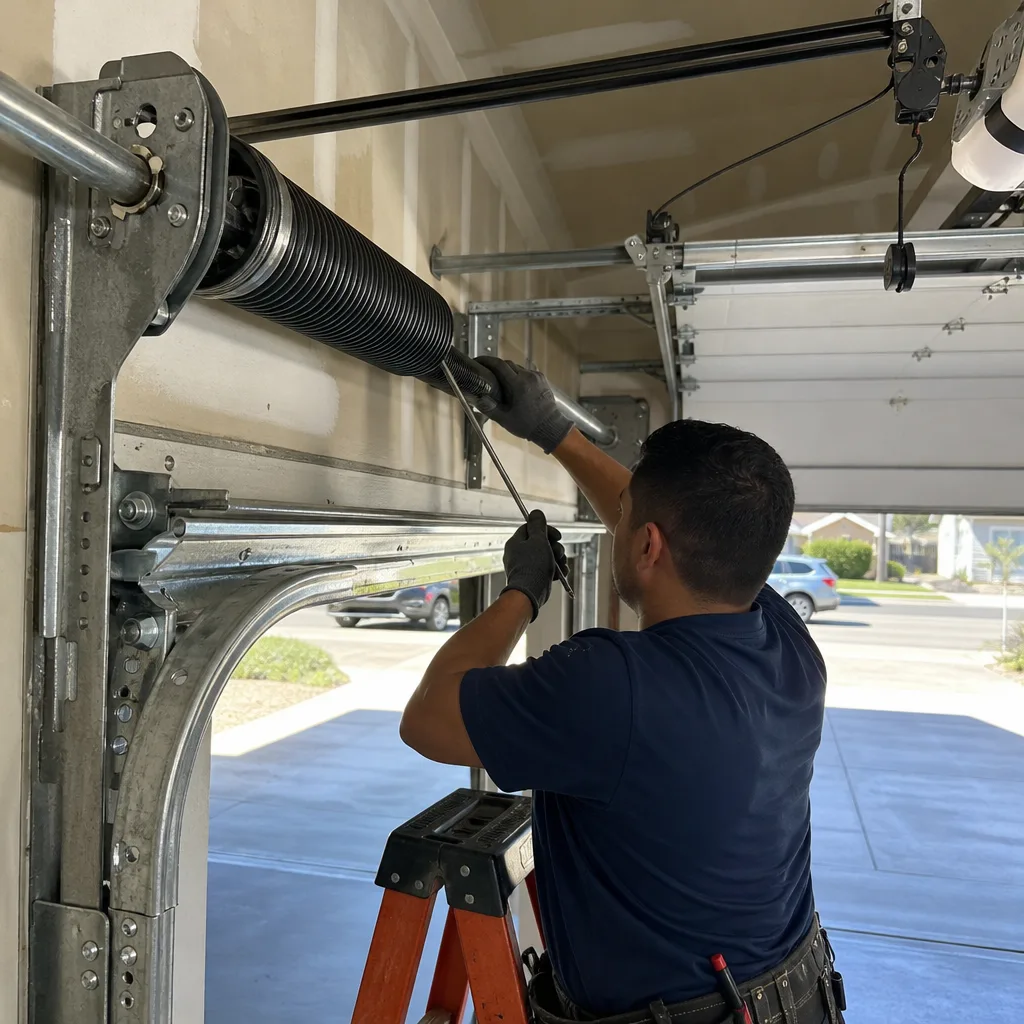
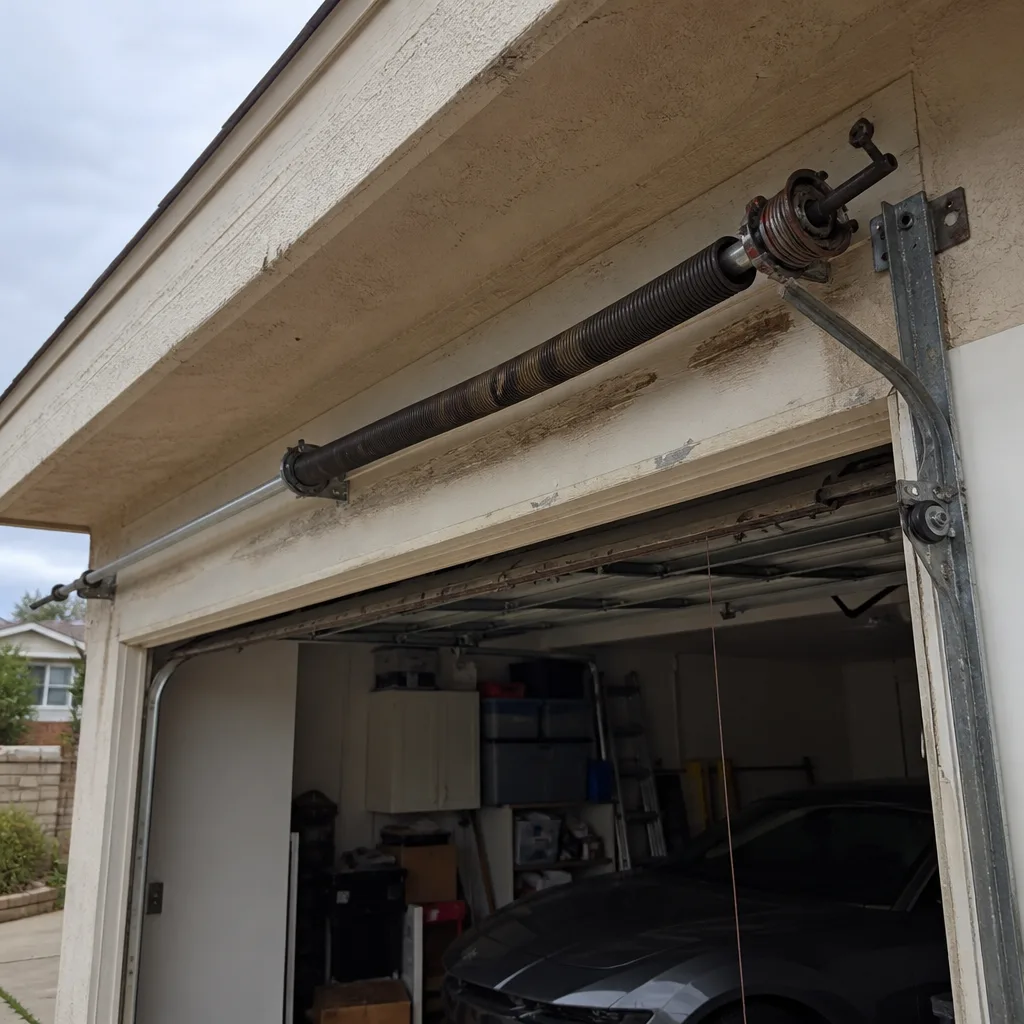
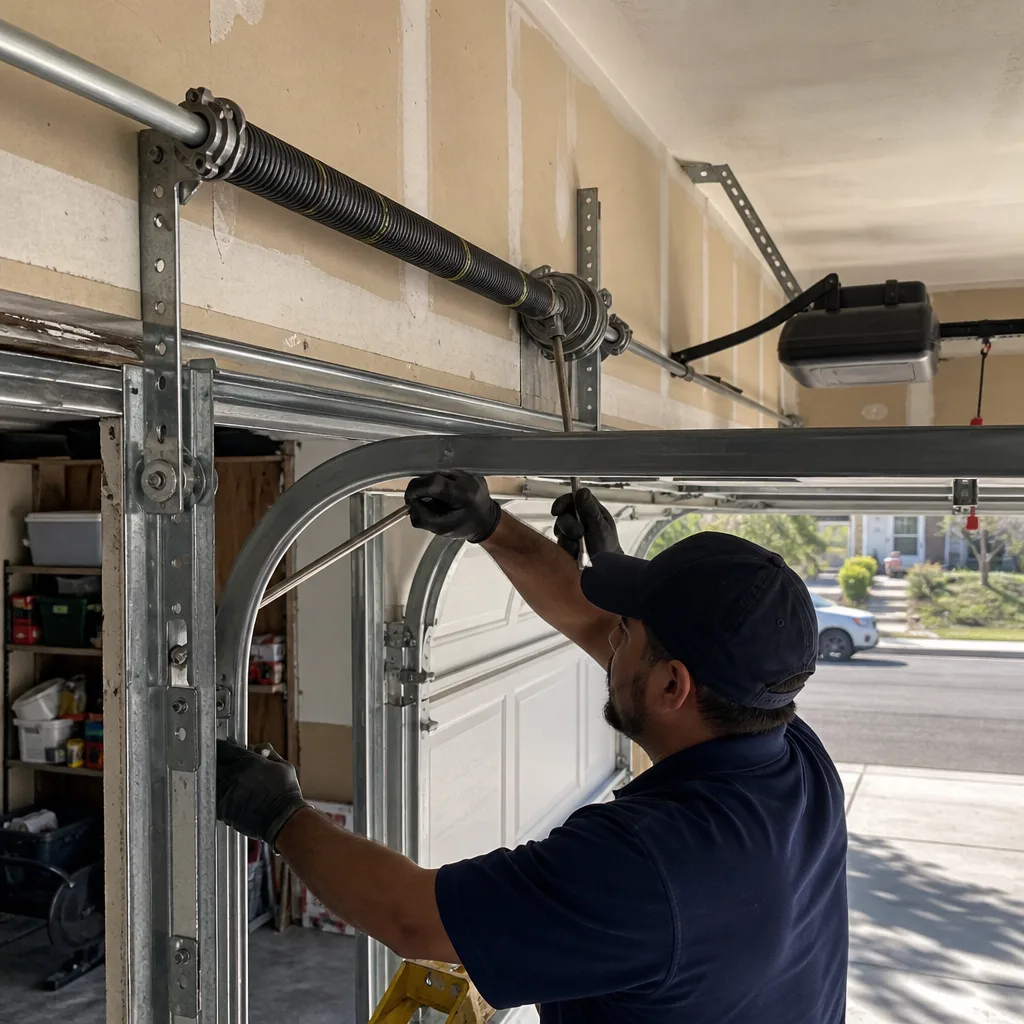
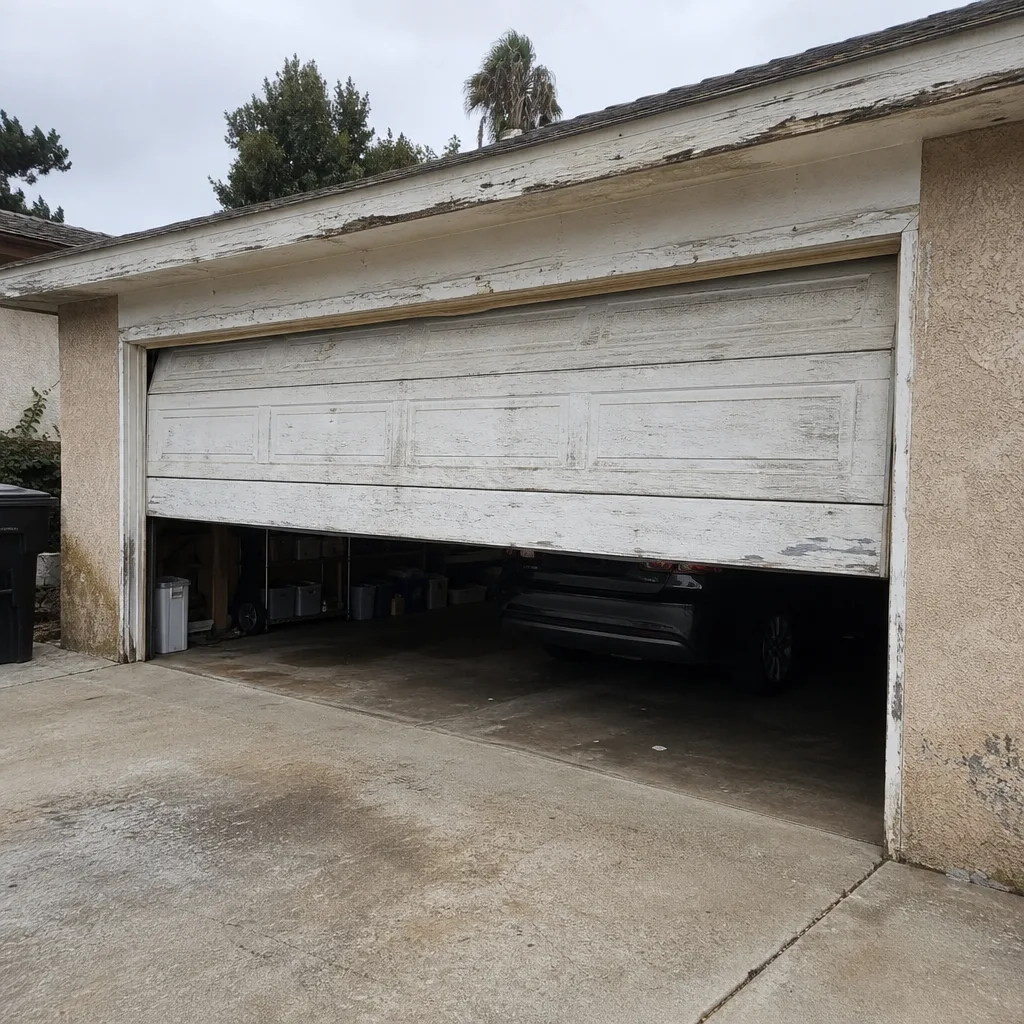
Garage door springs operate under hundreds of pounds of tension, and replacing them is the most common cause of serious garage door injuries every year. If your door uses torsion springs mounted above the opening, never attempt a DIY repair without proper training and tools. The same caution applies to cables under tension and any work involving the door’s balance system. For brand selection and installation, a professional who works on all major door brands can guide you through the coastal finish options, HOA requirements, and parts availability for your specific neighborhood. Garage Door Installation in Oceanside covers the full process from measurement to final inspection, and Canyon Garage Door Repair offers free estimates in Oceanside, call (844) 295-2241 to schedule a consultation at your home.
Frequently Asked Questions
For homes within a mile of the Pacific, Clopay and Amarr offer the strongest coastal-rated steel doors, while Raynor and Wayne Dalton aluminum doors avoid corrosion concerns altogether. The specific model matters more than the brand, so verify that the door carries a marine or coastal finish warranty before ordering. Call (844) 295-2241 for a recommendation based on your exact distance from the water and your door’s sun exposure, or browse more guides & resources.
A galvanized steel door with a premium topcoat lasts 15 to 20 years in Oceanside with quarterly washing and proper hardware maintenance, while economy steel doors can show finish failure within 3 to 5 years of salt exposure. Aluminum doors last longer structurally but dent more easily. The maintenance routine matters as much as the initial material choice.
Clopay, Amarr, and Raynor offer factory coastal warranty riders that cover finish degradation in marine environments when purchased as an upgrade, but the specific terms vary by model and distance from saltwater. Read the finish warranty section before ordering and verify coastal coverage in writing from the dealer.
No, garage door openers from LiftMaster, Chamberlain, Genie, and Craftsman work with doors from any manufacturer, but the opener’s power and force settings must match the weight of the door. If you install a heavier door, you may need an opener upgrade. Our technicians check compatibility during every Garage Door Opener Repair in Oceanside visit.
Door windows add weight and create additional seal points where salt air and moisture can enter the panel, but factory-installed windows from major brands use marine-grade seals that hold up well in Oceanside. The more important consideration is the window frame material: aluminum frames handle salt better than plastic frames on lower-quality doors.
A quality steel garage door with coastal-grade finish and professional installation in Oceanside typically ranges from $1,500 to $4,000 depending on size, material, insulation, and style, while premium wood composite doors run $3,000 to $8,000. The price includes removal of the old door and hardware but varies by brand series and whether an opener replacement is included. Call (844) 295-2241 for a free written estimate on your specific door and opening size.
The Bottom Line
The right garage door brand for your Oceanside home depends on where you live relative to the coast, which direction your door faces, what your HOA requires, and how long you plan to own the house. Clopay and Amarr lead for coastal steel durability. Raynor and Wayne Dalton offer strong aluminum alternatives near the water. Parts availability in North County favors these four brands plus a few others. Read the warranty language before you buy, match the opener to the door weight, and resist the temptation to save money on an inland-market door that will cost more in maintenance and early replacement. Canyon Garage Door Repair works on all major garage door brands and can help you select, install, and maintain the right door for your Oceanside home.
Call us at (844) 295-2241 for a free estimate, or visit our Canyon Garage Door Repair home page to learn more about our services in Oceanside and throughout North County.
Written by the team at Canyon Garage Door Repair, serving Oceanside since 2017.
See the difference
 Before
 After
 Before
 After
 Before
 After