Last updated October 30, 2026
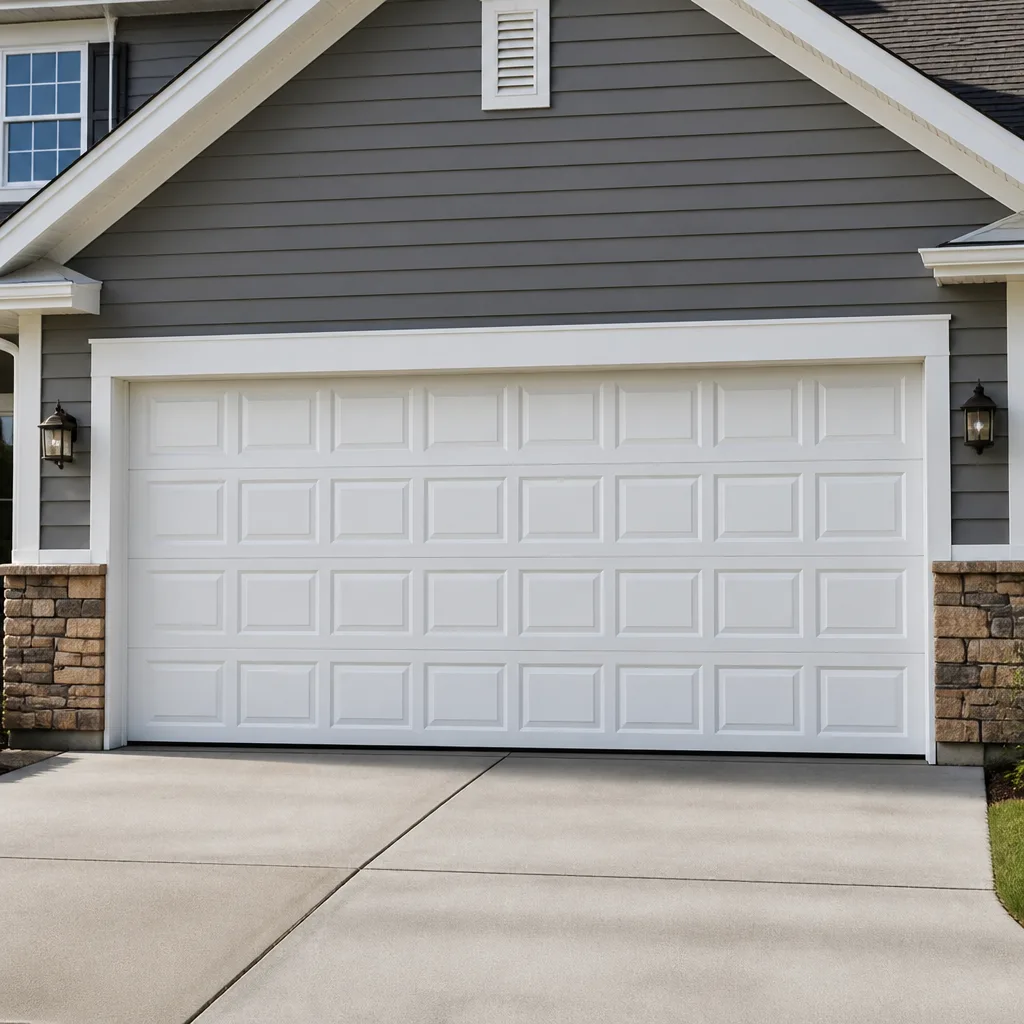 Raised-panel steel
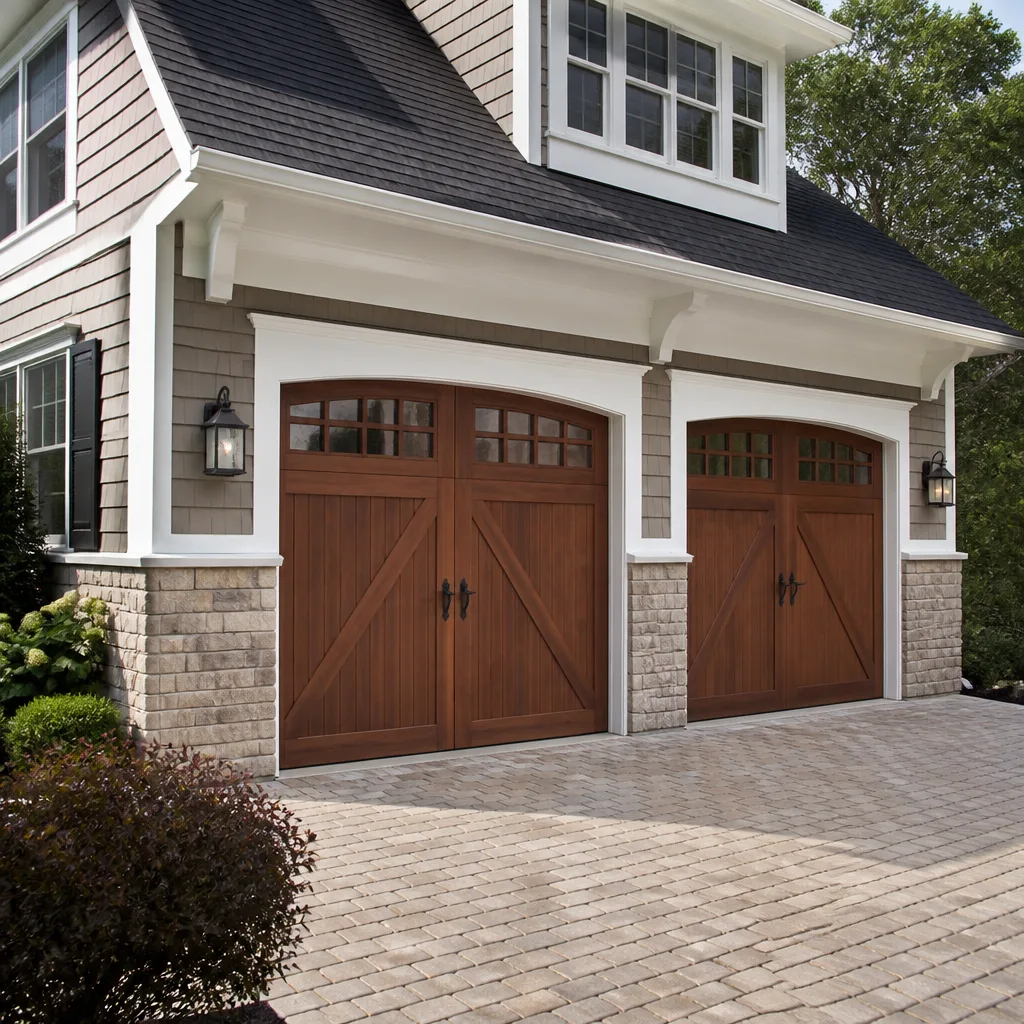 Carriage house
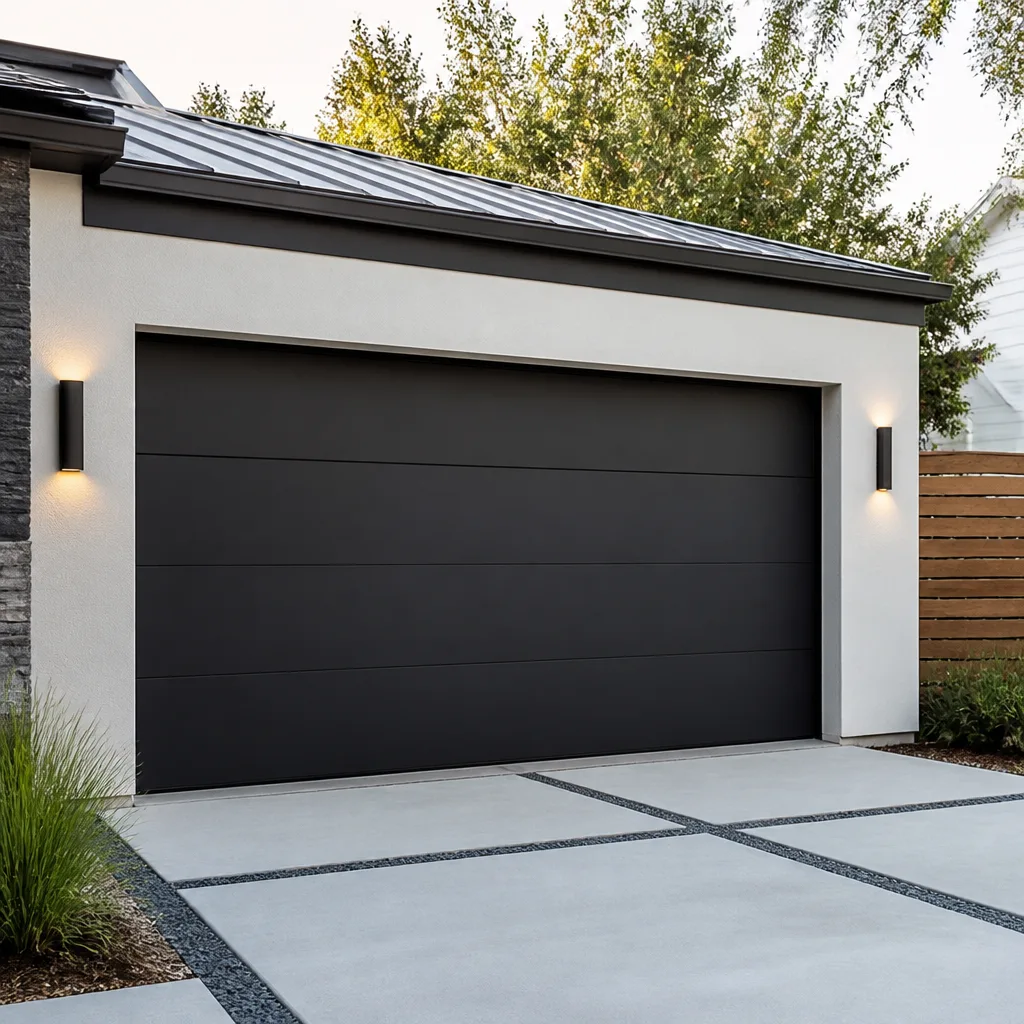 Modern flush
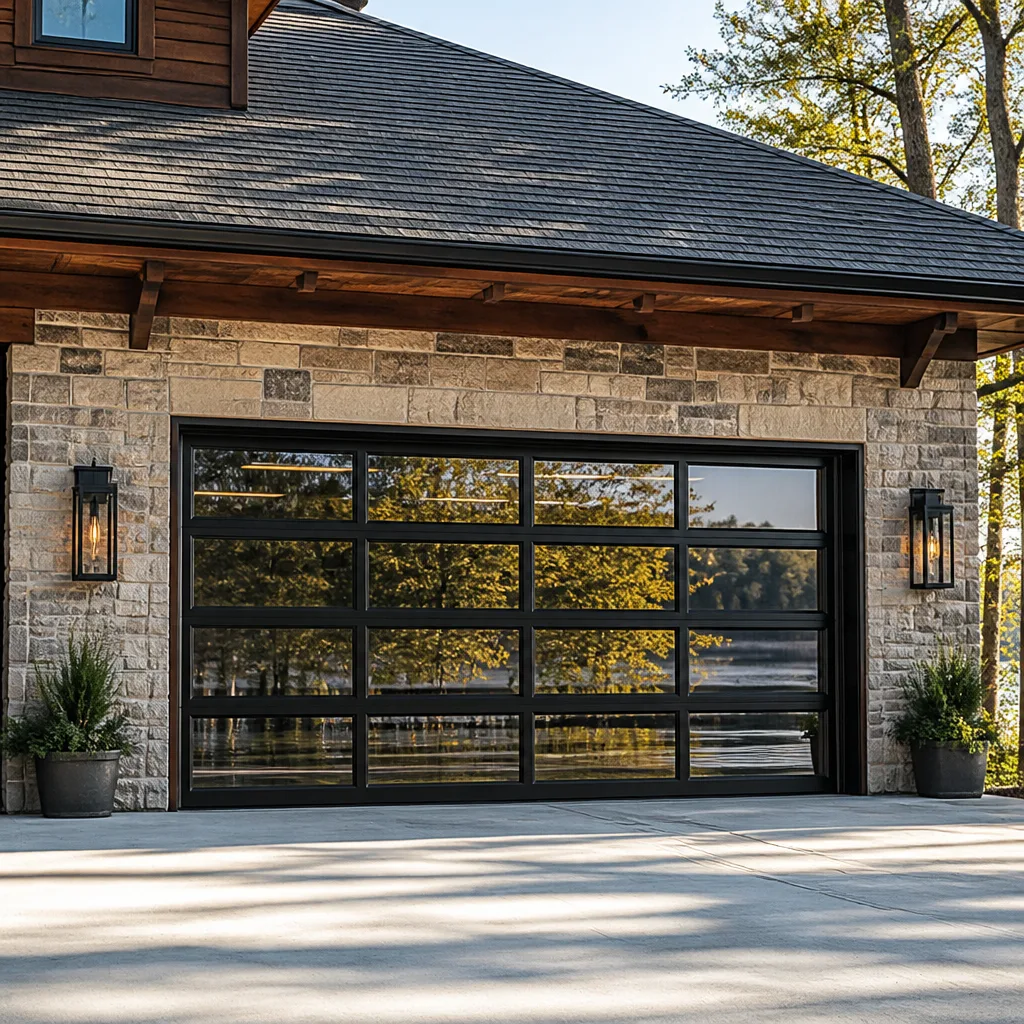 Full-view glass
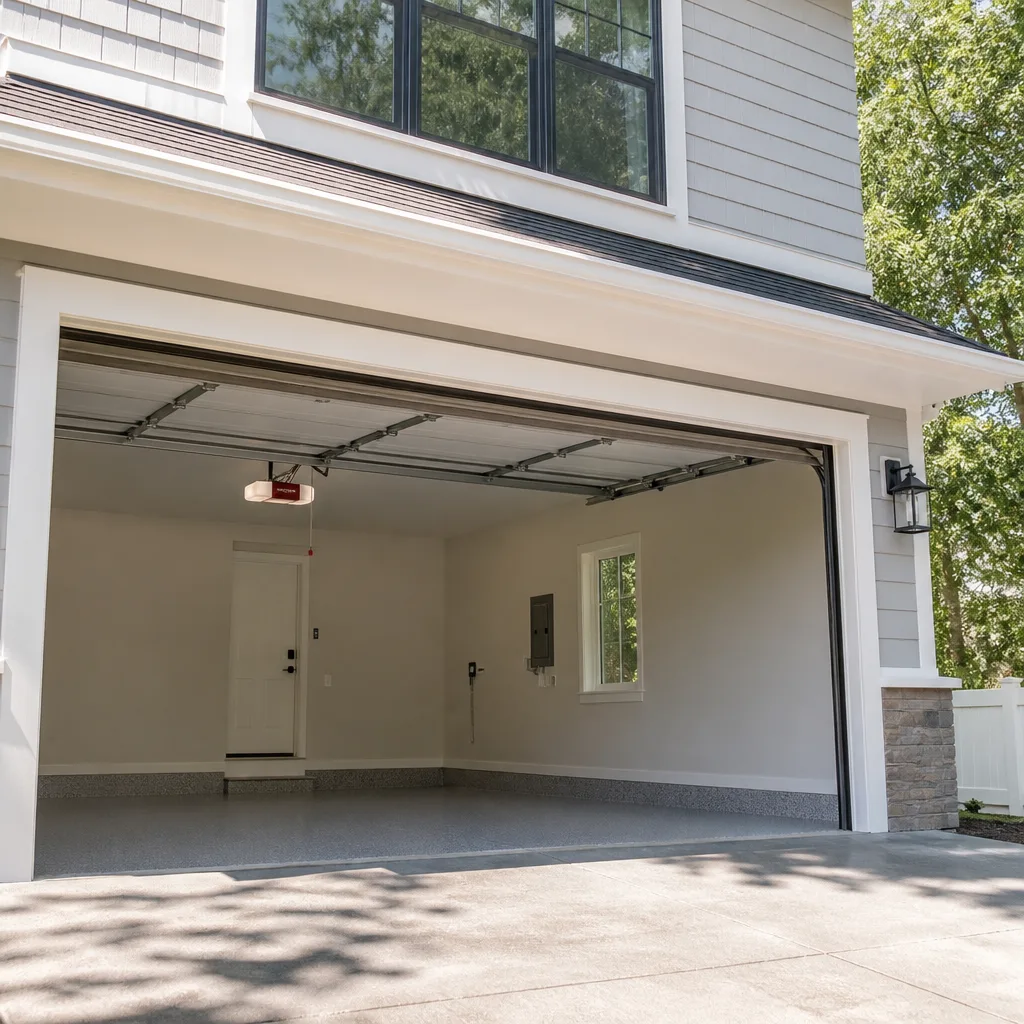 LiftMaster openers
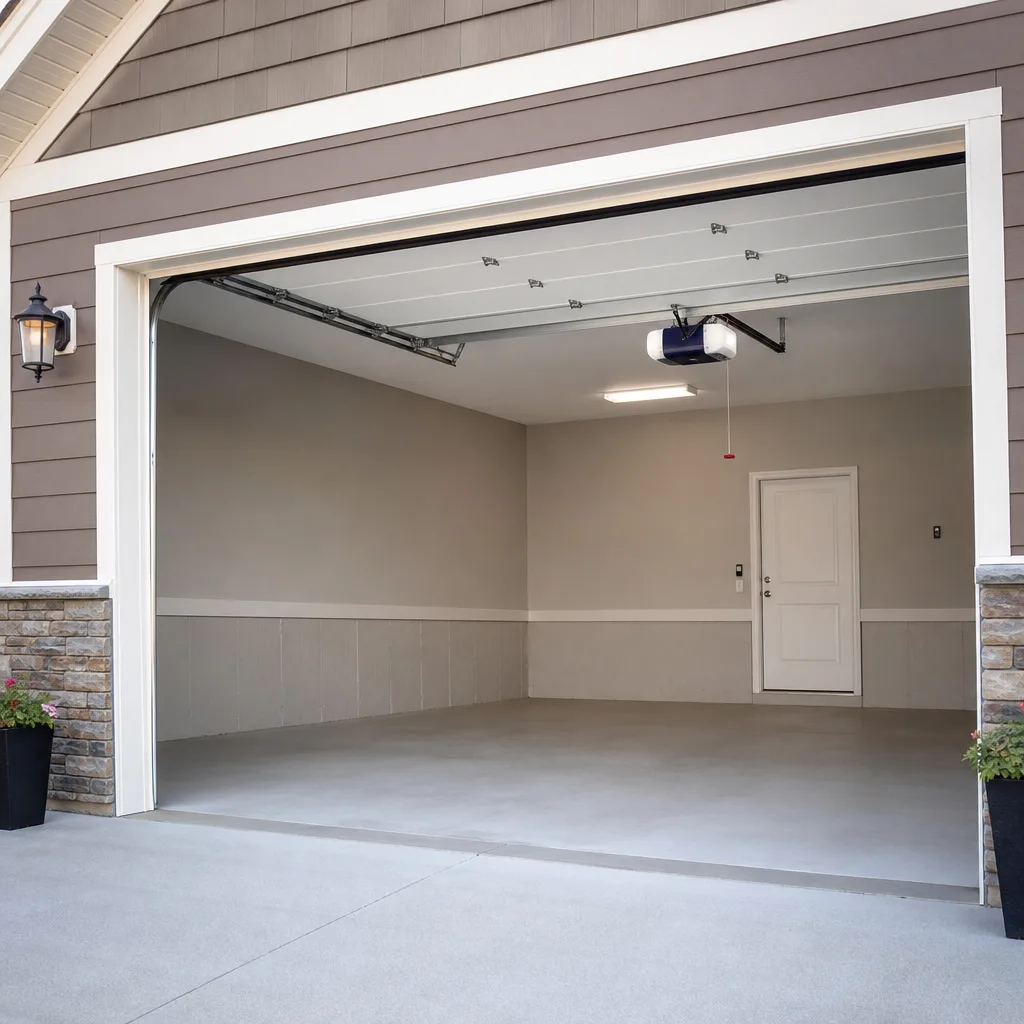 Chamberlain openers
Full 25-point door and opener safety check with every visit - springs, cables, rollers, tracks, and your LiftMaster or Chamberlain opener included
You get a price before we start. It does not change when the truck arrives.
Get your free estimateThe Complete Guide to Garage Door in Oceanside
Most garage door guides are written for landlocked climates. If you live within five miles of the Oceanside coastline, that advice is already working against you. The salt-laden air rolling off the Pacific doesn’t just age your door cosmetically – it attacks the mechanical components that keep a 300-pound door suspended safely above your cars, your kids, and everything else in that garage. This guide covers what coastal Oceanside homeowners actually need to know: which materials survive the marine layer, which opener features earn their keep during Santa Ana-driven power outages, and what a realistic maintenance calendar looks like when you’re living a mile from the surf.
Quick Answer
Garage doors in Oceanside need a different care plan than doors inland because salt air, marine layer humidity, and wind-blown sand accelerate corrosion on springs, tracks, hinges, and opener electronics. Steel doors with rust-inhibiting primers, galvanized hardware, and openers with battery backup are the smartest investments for coastal homes. Inspect moving parts every 6 months, lubricate quarterly, and replace torsion springs every 7-10 years regardless of visible wear.
Styles & brands we work with
Table of Contents
- Why Oceanside’s Coastal Air Attacks Your Garage Door Differently
- Which Door Materials Actually Survive Oceanside’s Marine Layer
- Opener Features That Matter Most in Oceanside
- Brand-by-Brand: Who Engineers for Coastal Environments
- A Realistic Maintenance Timeline for Coastal California Homes
- Signs Your Door Is Failing Before It Fails
- Common Mistakes to Avoid
- When to Call a Professional
Why Oceanside’s Coastal Air Attacks Your Garage Door Differently
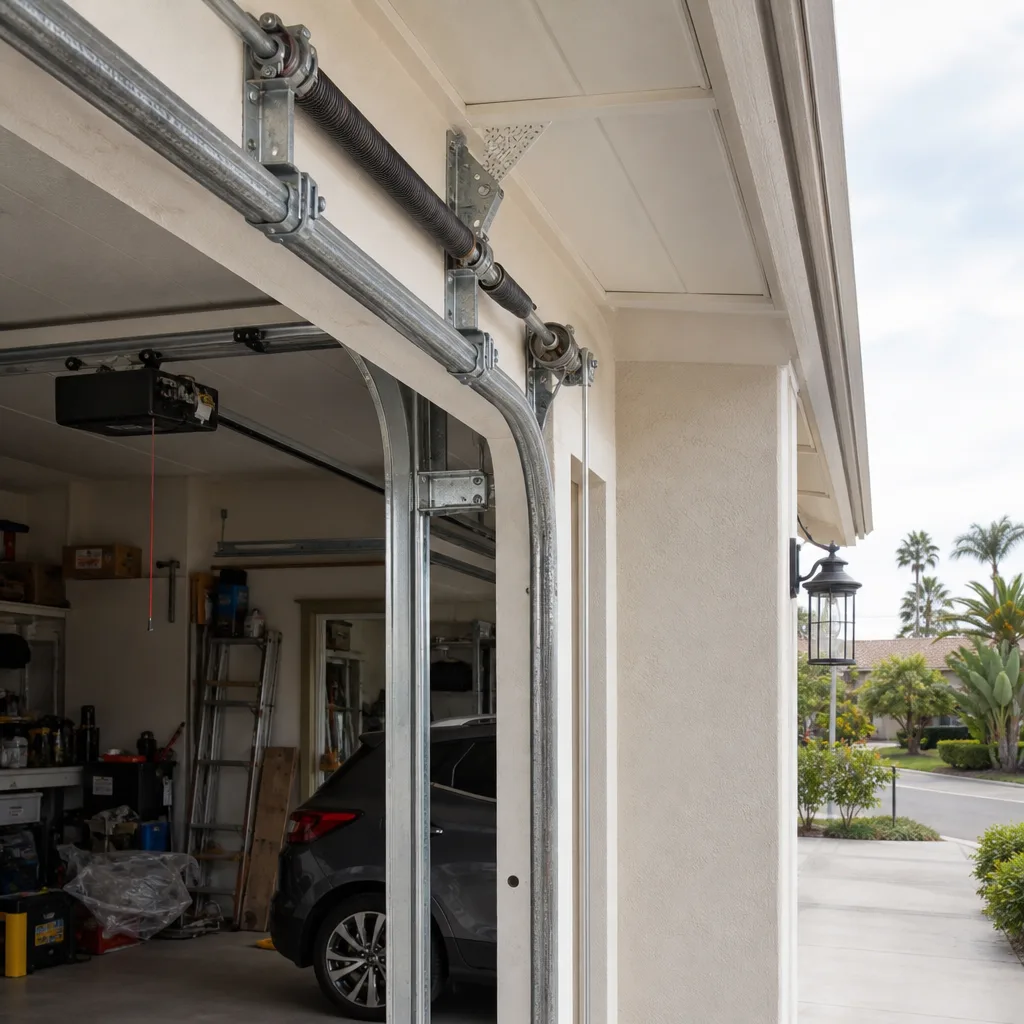
Oceanside sits directly on a stretch of coastline that combines three forces working against any moving metal system: persistent salt aerosol, high average humidity from the marine layer, and fine sand that gets into everything when the onshore breeze picks up. The result is a microclimate where untreated steel components that might last 15 years in Escondido or Vista can show serious rust pitting in under 5 years.
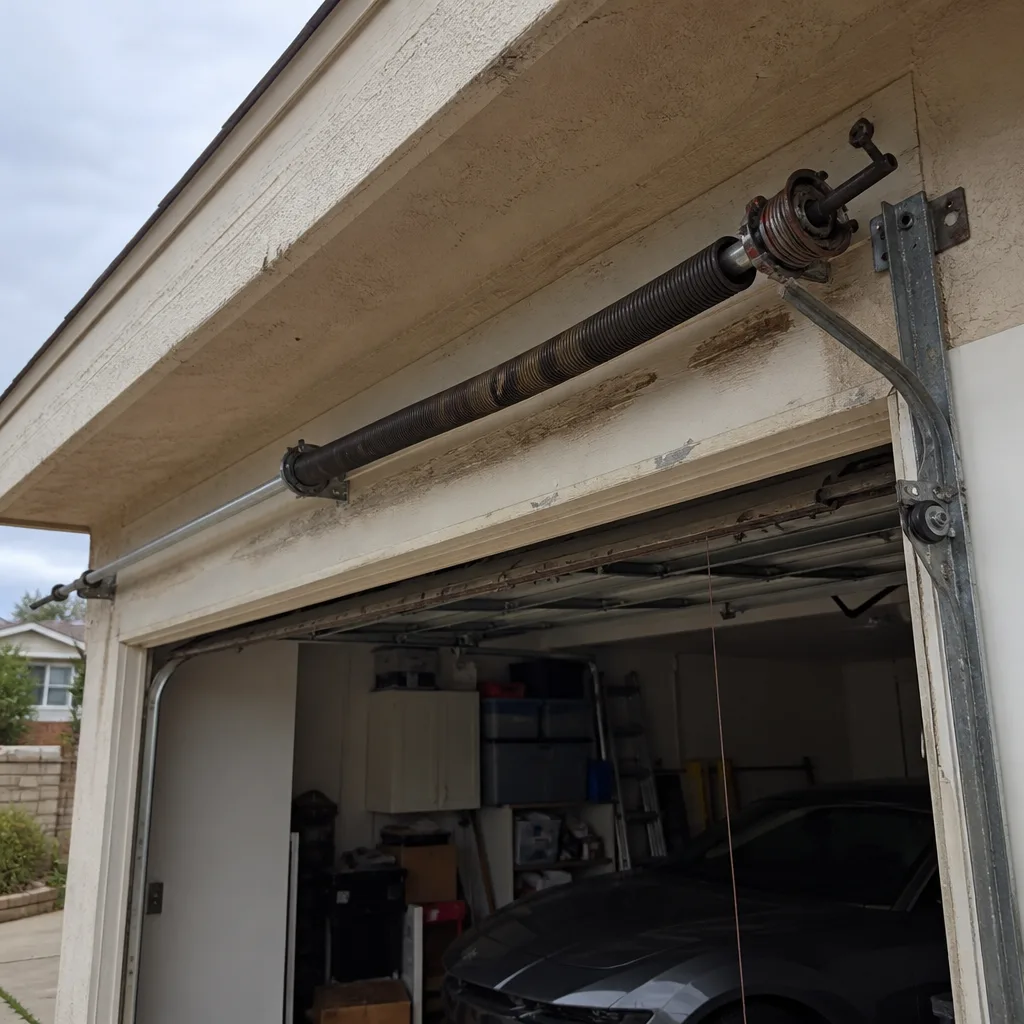
The salt is the primary culprit. Salt aerosol doesn’t just sit on surfaces – it acts as an electrolyte that accelerates the electrochemical reaction we call rust. When that salt lands on a torsion spring, it combines with airborne moisture to create corrosion cells at stress points where the metal is already under tension. A corroded torsion spring doesn’t degrade gracefully. It snaps.
The marine layer adds another variable. Oceanside gets roughly 40% more low-cloud and fog days than inland North County, which means condensation forms on cool metal surfaces most mornings. That thin film of moisture sits in roller bearings, hinge pins, and spring coils for hours at a time. Sand complicates it further – the fine grit blowing off Buccaneer Beach or the San Luis Rey riverbed finds its way into roller tracks and opener rails, creating abrasive paste when mixed with lubricant.
What This Means for Your Door
- Springs are consumables, not permanent fixtures. In Oceanside, plan on replacing torsion springs every 7-8 years even with proper maintenance. We regularly see springs from coastal homes snap at the 6-year mark while identical hardware inland lasts a decade or more.
- Galvanized or zinc-coated hardware is non-negotiable. Standard hinges and brackets rust through faster near the coast. If your door was installed by a previous owner, check whether the track brackets and hinge plates show white powdery corrosion – that’s zinc sacrificing itself to protect the steel.
- Rollers need more frequent replacement. Steel rollers with unsealed bearings grind themselves apart when sand gets inside. Nylon rollers with sealed bearings last significantly longer in this environment.
The good news: Oceanside homeowners who understand these mechanics can plan for them rather than getting caught by surprise. The bad news: most garages were built with whatever hardware was cheapest at the time, not what survives coastal conditions. If you’re not sure what’s inside your door mechanism, a quick visual inspection takes five minutes and tells you most of what you need to know.
Which Door Materials Actually Survive Oceanside’s Marine Layer
Door material selection in Oceanside isn’t theoretical. We’ve watched enough doors fail early to know which materials earn their cost over a 10-year span and which ones look good for three years before the coastal environment takes its cut. Here’s the straight assessment.
Steel: The Workhorse, With Conditions
Steel remains the most common garage door material in Oceanside for good reason: it’s strong, relatively affordable, and holds up well against the coastal climate when properly specified. The catch is the finish. Standard 24-gauge steel without a rust-inhibiting primer will show rust blooms along the bottom panel within three to five years within two miles of the coast. Look for doors built with hot-dipped galvanized steel panels and a baked-on polyester topcoat. Clopay and Amarr both offer coastal-grade steel options with these features.
Fiberglass: The Underrated Coastal Choice
Fiberglass doors are effectively immune to the salt corrosion that attacks steel, which makes them worth serious consideration for homes right along the 101 corridor or in beach-adjacent neighborhoods like South Oceanside and Fire Mountain. The material doesn’t rust, doesn’t warp from humidity, and handles temperature swings without flexing. Fiberglass does have a drawback: it’s lighter than steel, which some homeowners perceive as lower quality. Functionally, it performs fine, and the material resists the marine layer better than any painted metal.
Wood Composite: Appearance Without the Maintenance Burden
Solid wood doors look beautiful for about two years near the coast, then the paint starts peeling, the panels swell with absorbed moisture, and the warping begins. Wood composite doors solve most of these issues by using engineered wood wrapped in a weather-resistant shell. They give you the aesthetic warmth without the constant repainting. If you’re within walking distance of the beach and want a natural look, composite is the realistic choice, not solid timber.
What Actually Makes the Difference
- Galvanized internal frame members. The panels might look fine, but if the stiles and rails inside are bare steel, the door sags and delaminates from the inside out.
- Quality bottom seals. Oceanside’s winter rain and occasional flooding push water against the bottom panel. A rigid vinyl bottom seal, not cheap foam, keeps water out of the panel core.
- Non-corrosive hinges and brackets. Look for powder-coated or zinc-plated hardware. If the hardware has visible rust after two years, the door panels aren’t far behind.
If you’re deciding between materials for a garage door installation in Oceanside, start with how far you live from the surf. Within a mile, fiberglass and coastal-grade steel are your practical options. Between one and five miles, painted steel with proper undercoating works well. Beyond that, you can choose mostly on appearance and budget.
Opener Features That Matter Most in Oceanside
Garage door openers have evolved well past the chain-drive units from the 1980s. But not every feature matters equally in Oceanside. Here are the ones that earn their keep in this specific climate and utility environment.
Battery Backup: Not Optional Within Coastal Power Outage Zones
Oceanside experiences power outages from two main sources: Santa Ana wind events that down lines and public safety power shutoffs during high fire-risk periods. We also see occasional coastal flooding that knocks out substation equipment. A garage door opener with battery backup means you can open and close your door for up to 24 hours after power loss, a key point in our Garage Door Emergency Preparedness Guide for Oceanside Homes. That’s not a luxury when you need to get a car out during an emergency. LiftMaster and Chamberlain both include battery backup on their premium residential models.
DC Motor Technology
Modern DC openers are quieter, smoother, and more efficient than older AC units. But there’s a coastal edge to this: the soft start and stop reduces stress on panels and hinges that are already coping with salt-induced stiffness. A door that fights its opener with sticky rollers and corroded hinges benefits from an opener that doesn’t jerk the panels through their travel.
WiFi Connectivity and Smart Home Integration
Being able to check whether your garage door is closed from your phone matters more in Oceanside than in most places, largely because of how the garage is used here. Many coastal homes have converted part of the garage into storage for surfboards, beach gear, and bikes. That means more frequent open-close cycles, more chances to leave the door open, and more value in a system that alerts you when the door stays open for 10 minutes. Genie’s Aladdin Connect and LiftMaster’s myQ both provide this capability.
What About Belt vs. Chain Drive?
Belt drives are quieter, which matters if your garage is below a bedroom or adjacent to a home office. Chain drives are slightly more durable but noisier. Near the coast, either works mechanically – the real durability variable in Oceanside is the opener’s internal circuit board, which benefits from placement in a dry, ventilated garage rather than a sealed, humid one.
If your current opener is more than 10 years old, it lacks most of these features. Garage door opener repair in Oceanside can address mechanical failures, but opener replacement often makes more sense once the unit age pushes past 12 years, especially if you want battery backup for outages.
Brand-by-Brand: Who Engineers for Coastal Environments
Not all garage door manufacturers approach corrosion resistance the same way. Some engineer specifically for coastal regions; others rely on universal coatings that work better in some climates than others. Here’s what we see in the field.
Raynor: The Quiet Coastal Specialist
Raynor doesn’t get the retail attention of Clopay or Amarr, but their commercial and residential lines include some of the most durable steel treatments in the industry. Their coastal-grade doors use a multi-layer finish that holds up noticeably better within a mile of salt air than many competitors. If you live in South Oceanside or near the harbor, Raynor is worth investigating.
Clopay: Strong Steel, Consistent Quality Control
Clopay’s higher-tier steel doors include the two features that matter most near the coast: galvanized internal frames and baked-on finishes that resist peeling. Clopay is also widely available, which means easier sourcing for replacement panels when only one section is damaged.
Amarr: Good Mid-Range Value
Amarr occupies the middle of the market with solid construction and decent corrosion resistance. Their Classica collection is a common sight in Oceanside neighborhoods like Fire Mountain and Rancho del Oro. The hardware quality is adequate, though high-humidity areas near the lagoons may benefit from upgrading hinges and rollers after a few years.
Our brand-agnostic approach means we work on what’s already there rather than pushing a specific manufacturer. When you call Canyon Garage Door Repair, the goal is to fix your existing door correctly first, not to upsell a replacement. If replacement is the right call, we can talk through which brand fits your home and your proximity to the coast.
A Realistic Maintenance Timeline for Coastal California Homes
Most maintenance advice is written for average conditions. Here’s what actually works for a garage door within five miles of the Oceanside coastline.
Every 3 Months: Lubrication
- Apply a silicone-based garage door lubricant to torsion springs, hinge pins, and roller bearings.
- Wipe down the opener rail and apply a thin coat of white lithium grease if you have a screw-drive opener.
- Check the bottom seal for cracking or loss of flexibility. The salt air hardens rubber seals faster than inland conditions.
Every 6 Months: Visual Inspection
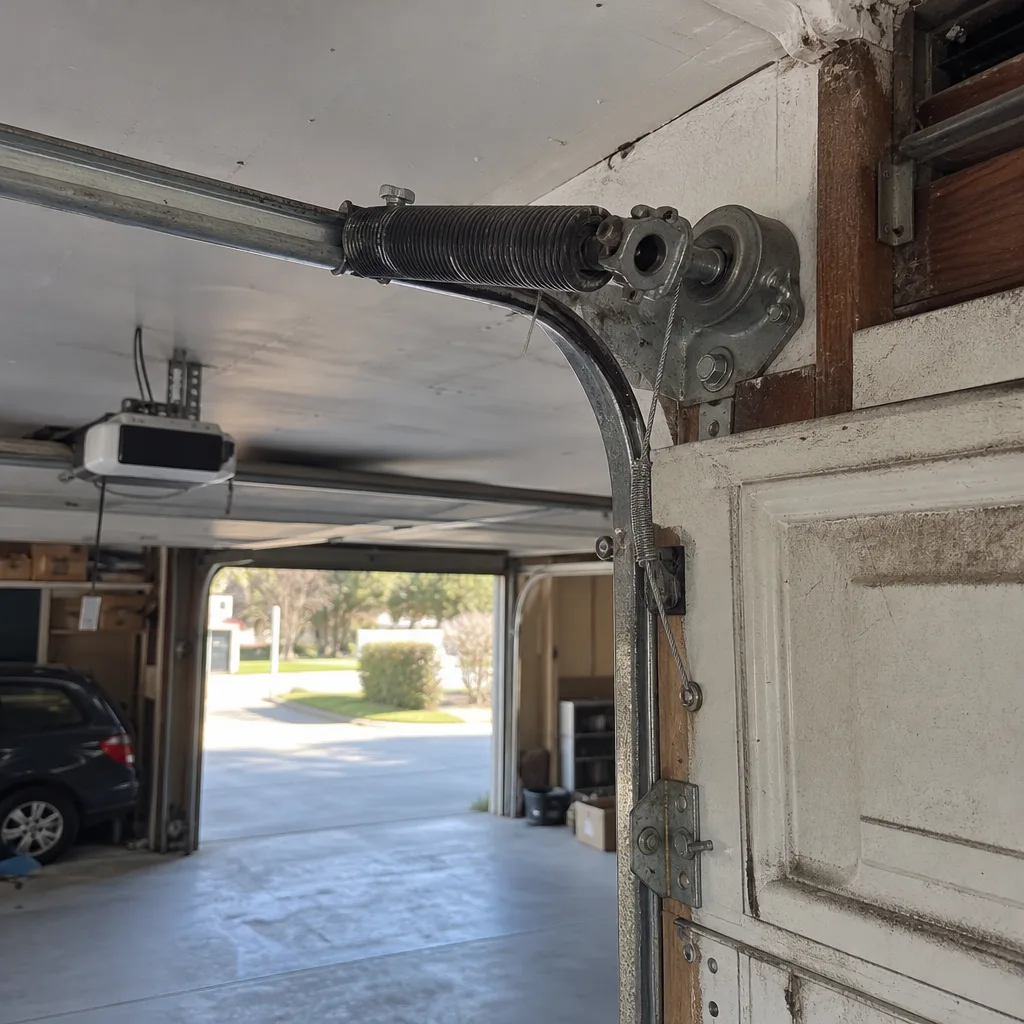
- Look for rust blooms on coil surfaces of torsion springs. Surface rust is cosmetic; pitting is the warning sign.
- Check hinge plates and track brackets for white powdery corrosion or actual rust-through.
- Inspect roller wheels for wobble, flat spots, or cracks in nylon rims.
- Test the auto-reverse function with a roll of paper towels. The door should reverse within two seconds of contact.
Year 1: Initial Adjustments
A newly installed door settles. The cables stretch slightly, the springs take a set, and the track alignment can shift as the door cycles. One year after installation, have someone check spring tension and cable balance. Most adjustment calls we make in Oceanside are for doors between 10 and 18 months old that were never tuned after install.
Year 3: Hardware Assessment
By year three in coastal air, the original hardware tells you whether it was built for this climate. If hinges and brackets show significant corrosion, replace them now before the door panels themselves absorb the damage. If the hardware looks clean, you have quality components and can continue with scheduled maintenance.
Year 5: Seal Replacement and Roller Upgrade
Plan on replacing the bottom seal, weather stripping around the door perimeter, and all rollers at the five-year mark. Even quality rollers accumulate sand and moisture damage by this point near the coast, and the seal has likely hardened. This is a few hundred dollars that extends the door’s life significantly.
Year 7-10: Spring Replacement
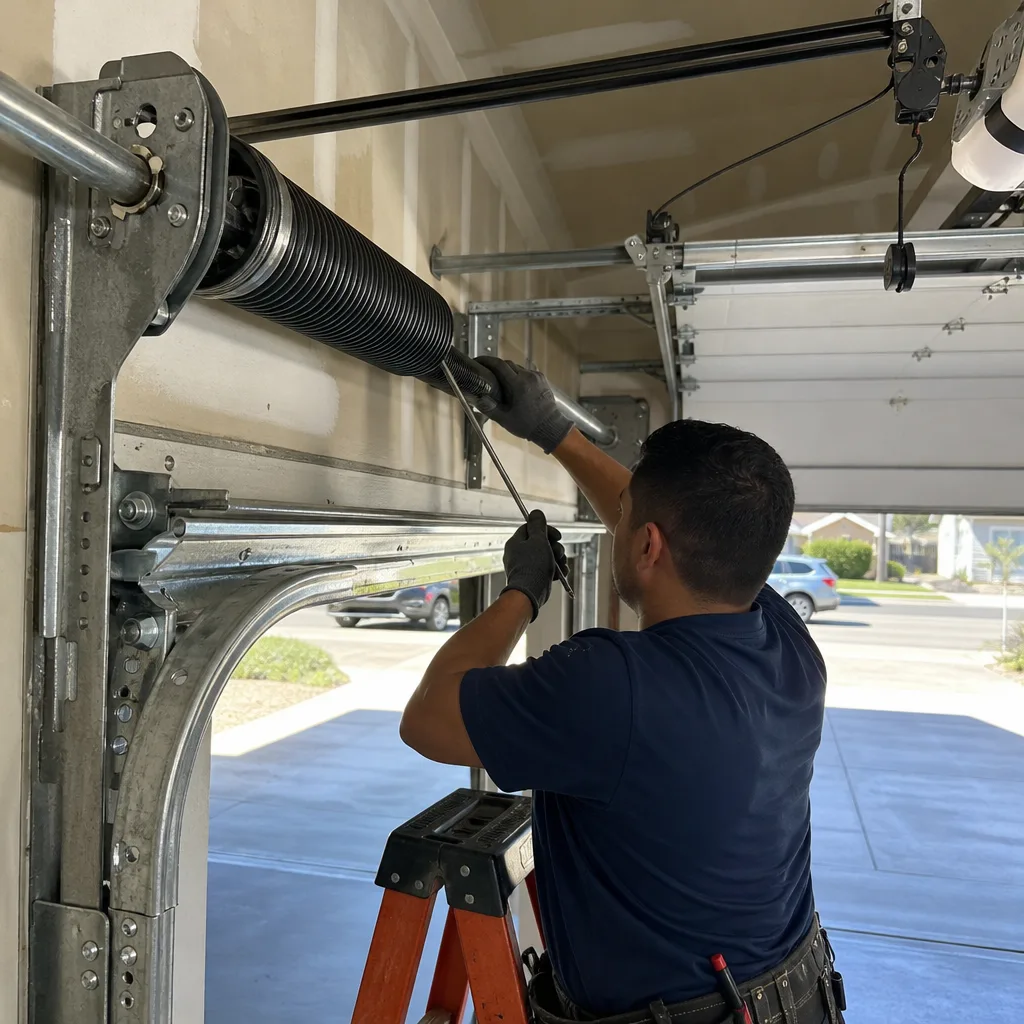
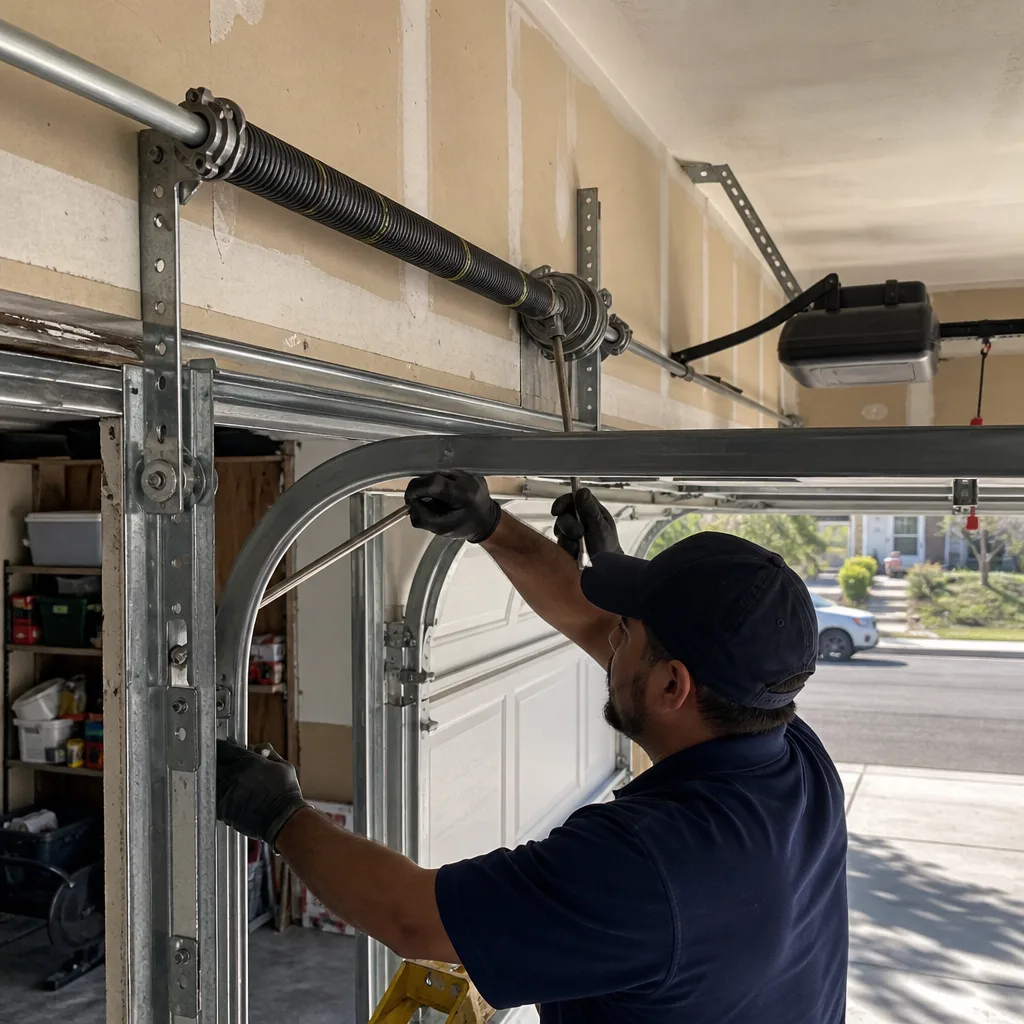
Coastal torsion springs last 7-10 years in Oceanside. Some fail earlier; a few last longer. Past year eight, you’re on borrowed time. We recommend replacing springs proactively at the eight-year mark rather than waiting for the snap that strands your car in the driveway and risks injury to anyone standing nearby when it fails. Canyon offers free spring safety inspections – garage door repair in Oceanside is what we do most.
The complete Canyon Garage Door Repair home resource library covers all of these services in detail.
Signs Your Door Is Failing Before It Fails
Garage doors rarely fail without warning. The warnings are just easy to miss if you don’t know what to listen for.
Sound Signatures
- A loud bang from inside the garage followed by the door not opening. That’s a torsion spring snap. Both springs should be replaced together – the unbroken one has the same age and fatigue.
- Grinding or squealing during operation. Usually indicates dry rollers or a failing opener gear. Lubrication fixes the first; repeated grinding after lubrication means the opener gear needs professional attention.
- A rhythmic thumping as the door moves. A bent roller or track misalignment. The door is fighting itself and will only get worse.
Visual Indicators
- Visible rust on spring coils. Not just surface discoloration – actual pitting or flaking metal.
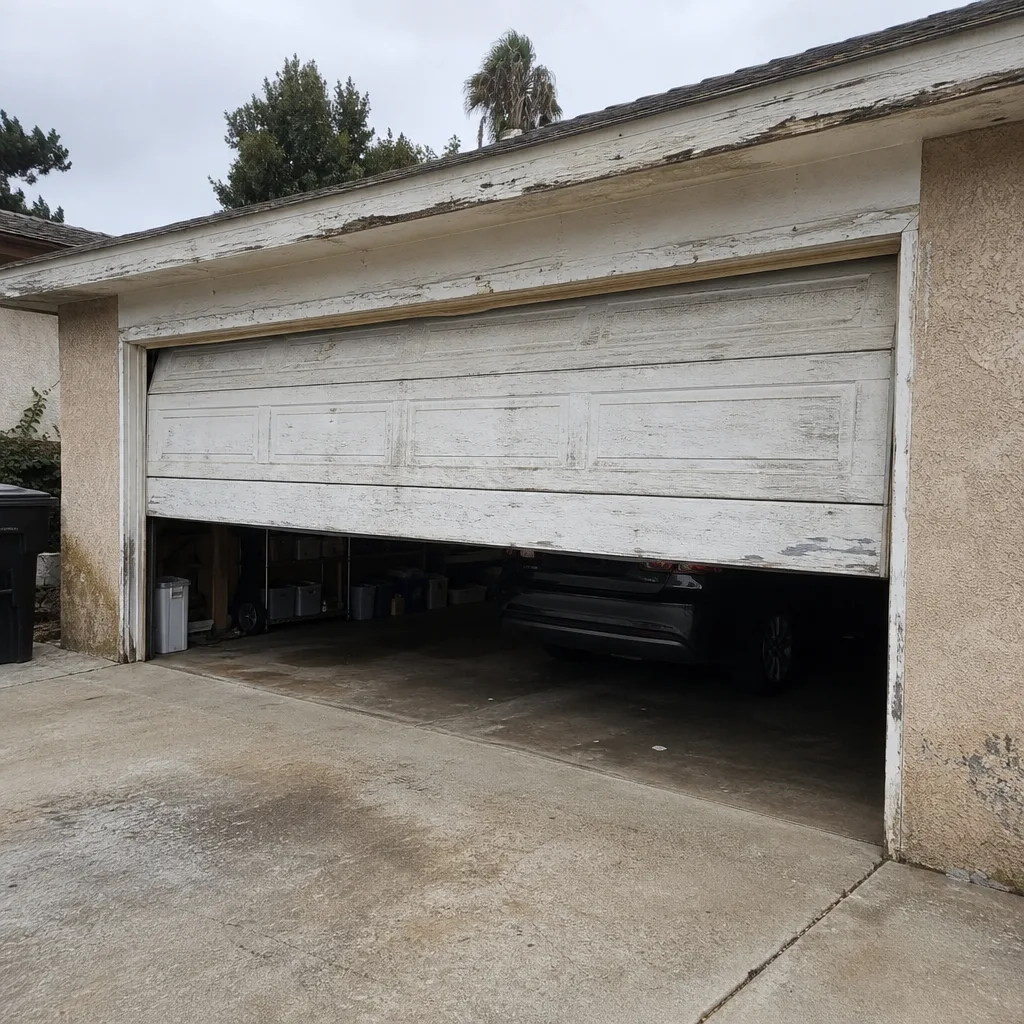
- Door appears uneven or sagging when open partway. Spring tension imbalance. One spring is failing.
- Daylight visible around the door edges when closed. Weather seal failure. Coastal moisture and pests take advantage.
Common Mistakes to Avoid
- Using WD-40 instead of actual garage door lubricant. WD-40 is a solvent that strips existing lubricant and leaves nothing behind. It temporarily silences a squeak, then makes the wear worse. Use silicone-based garage door lubricant.
- Ignoring a door that runs slightly wonky because it still opens. A door that’s slightly off balance is putting uneven stress on one spring. That spring will fail sooner, possibly years before the other, and the repair still costs the same.
- Waiting for spring failure to replace springs. Spring replacement is a maintenance item, not an emergency repair. Replacing at year eight on your schedule is cheaper and safer than the emergency call when it snaps at 7 AM on a Monday.
- Attempting to replace extension or torsion springs without the proper tools and experience. Torsion springs are under hundreds of pounds of tension. This is genuinely dangerous work, and the tools alone cost more than a professional service call.
- Choosing a door based on looks alone without considering coastal conditions. A beautiful door that rusts in four years is an expensive mistake. Material choice matters more than color or style in Oceanside.
- Leaving the manual release cord disconnected after using it. A disconnected opener leaves your door unsecured. Reconnect it and test the door after any manual operation.
When to Call a Professional
Some garage door tasks are safe for a handy homeowner; others are not. Replacing torsion springs, adjusting cable tension, straightening tracks, or replacing bottom panels all involve tensioned components that can cause serious injury if handled incorrectly. Any repair involving the springs, cables, or the door’s tension system belongs in professional hands. We work with all eight major brands – LiftMaster, Chamberlain, Genie, Clopay, Amarr, Wayne Dalton, Craftsman, and Raynor – so the door you already have gets an accurate diagnosis rather than a generic replacement pitch. Canyon Garage Door Repair offers free estimates in Oceanside – call (844) 295-2241.
See the difference
 Before
 After
 Before
 After
 Before
 After
Frequently Asked Questions
Lubricate your garage door every three months in Oceanside. Coastal salt air accelerates the breakdown of lubricant, and quarterly application of silicone-based garage door lubricant keeps rollers, hinges, and springs operating smoothly. Seasonal reminders tied to the calendar make this easy to remember: January, April, July, October.
Garage door torsion springs last 7-10 years in coastal Oceanside, which is shorter than the 10-12 year lifespan common inland. Salt corrosion on spring coils stresses the metal at the microscopic level even when visible rust is minimal. Call (844) 295-2241 for a free spring safety inspection if your springs are over seven years old.
Yes, single panel replacement is possible when the panels are still in production. The challenge is matching the finish: coastal sun and salt fade panels unevenly, so a new panel rarely matches the appearance of adjacent panels. If your door is under five years old, panel replacement makes sense. Older doors often make more financial sense to replace entirely.
Fiberglass doors are the best material for homes within one mile of the Oceanside shoreline because they cannot rust, warp, or corrode. Coastal-grade steel with galvanized frames and a baked-on polyester finish is the best choice if you prefer the weight and feel of steel. Both options hold up well when properly maintained.
Santa Ana winds cause power outages and voltage fluctuations that can interrupt garage door opener operation, especially for older openers without backup power. An opener with battery backup solves most of this: the backup circuit engages automatically when power cuts. This is a feature worth prioritizing for any Oceanside home.
Garage Door Cost Breakdown: The Oceanside Homeowner’s Reference for 2026 shows that repair costs in Oceanside vary by the specific component and the door brand. Spring replacement typically falls in a predictable range, opener repairs are generally lower or higher depending on whether the issue is mechanical or electronic, and panel replacement lands in the highest tier. The only way to get an exact number is a diagnosis. Estimates are free – call (844) 295-2241 to schedule one.
The Bottom Line
Your garage door is a coastal mechanical system. Salt air corrodes springs, humidity attacks hardware, sand grinds down rollers, and power outages disrupt openers. Understanding these forces lets you plan for them: lubricate quarterly, replace seals at year five, replace springs at year eight, and choose materials built for salt exposure when you install new equipment. Oceanside homeowners who treat their garage door as a maintained system rather than a set-and-forget feature get significantly longer service life and avoid the expensive emergency repairs that happen when coastal damage goes unnoticed. A trained technician can keep your door running through any condition the Pacific throws at it, and our more guides & resources can help you stay ahead of coastal wear.
Written by the team at Canyon Garage Door Repair, serving Oceanside since 2017.