
Last updated October 30, 2026
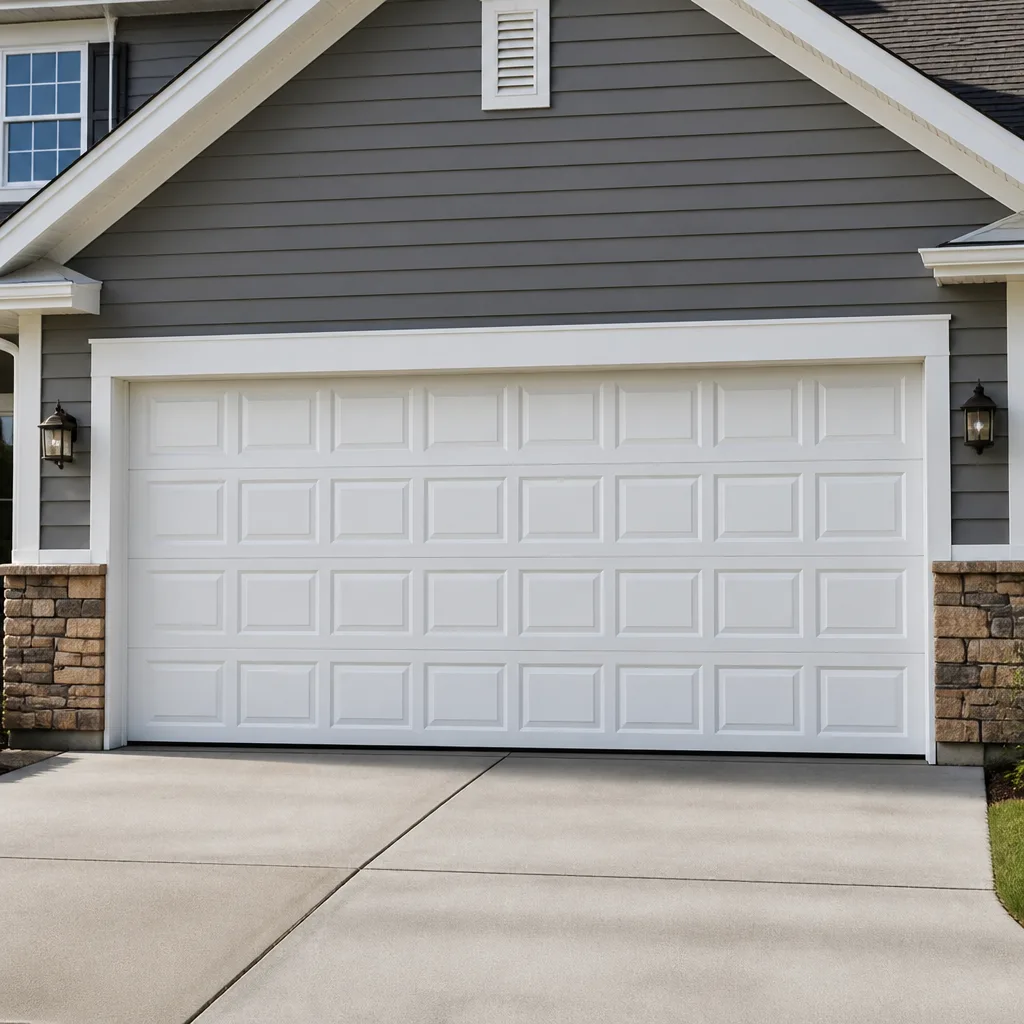 Raised-panel steel
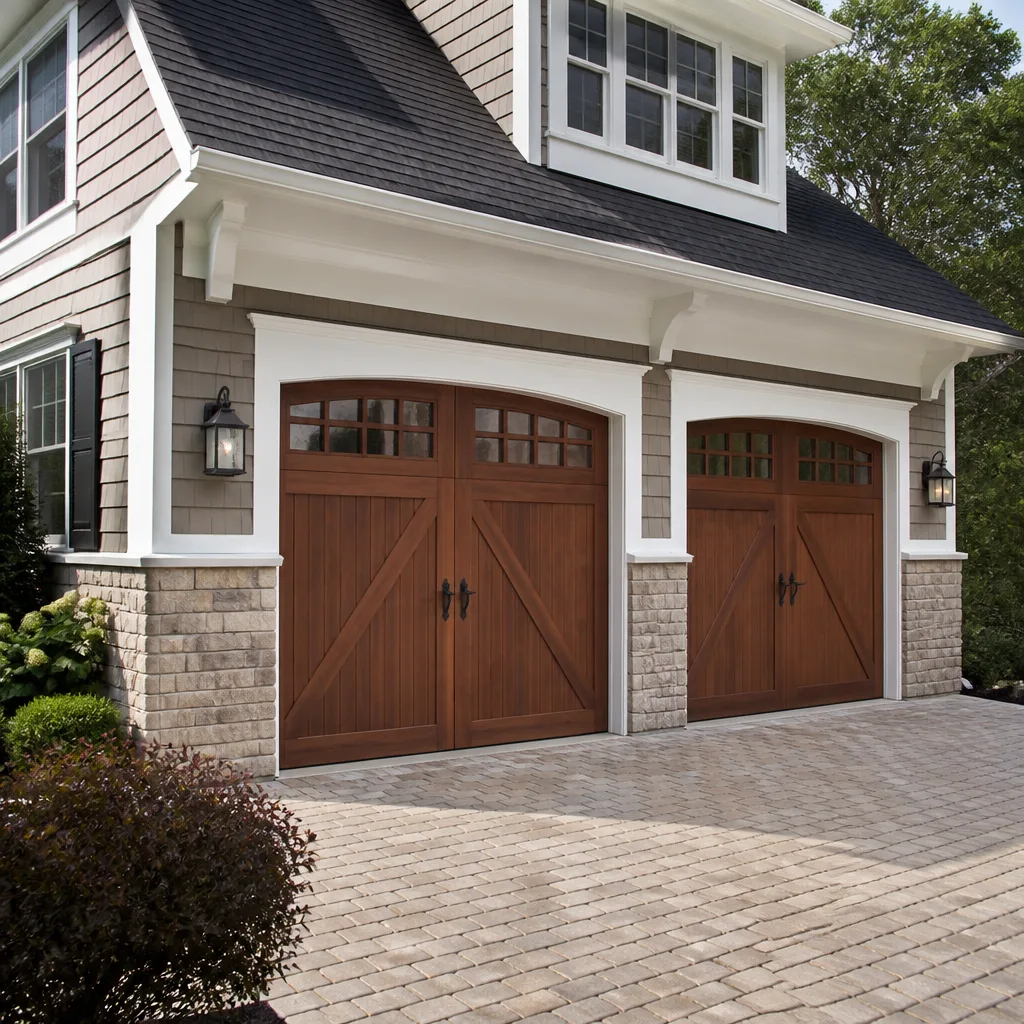 Carriage house
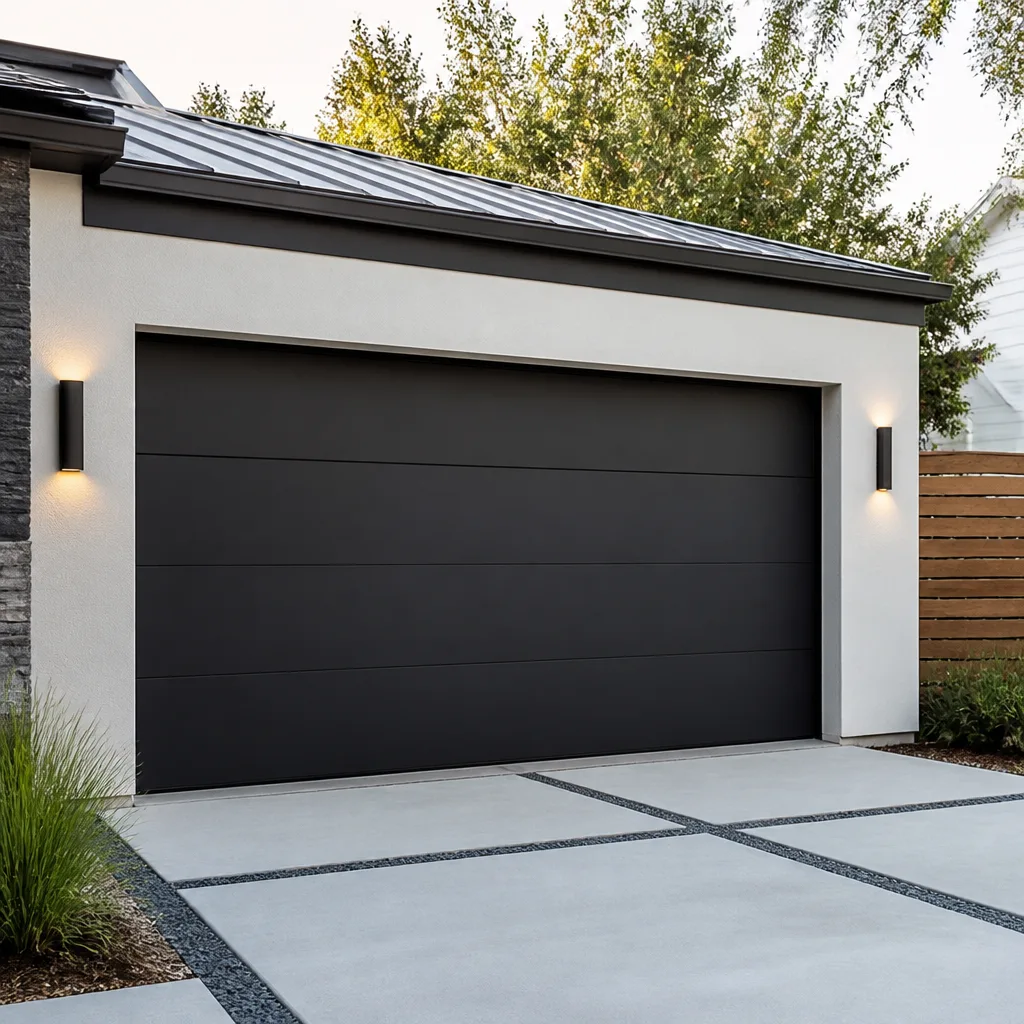 Modern flush
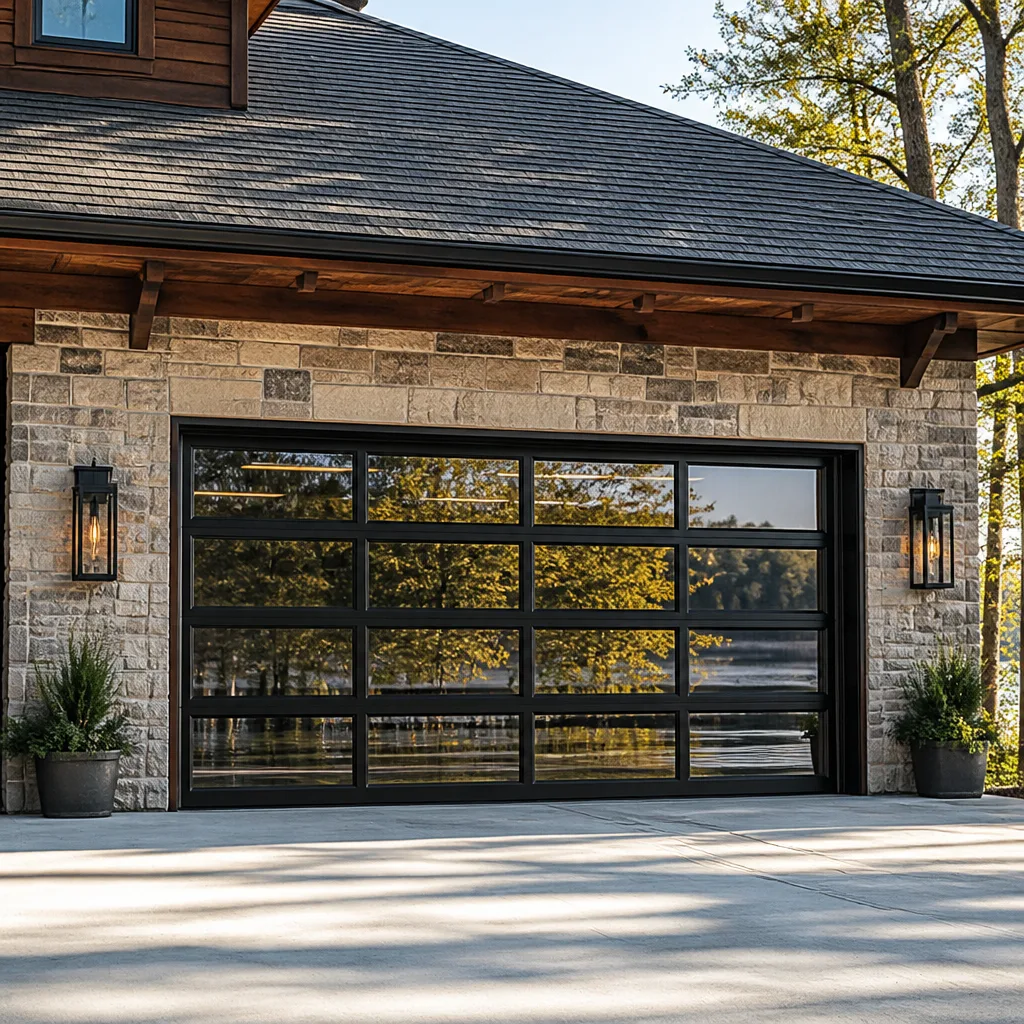 Full-view glass
 LiftMaster openers
 Chamberlain openers
Full 25-point door and opener safety check with every visit - springs, cables, rollers, tracks, and your LiftMaster or Chamberlain opener included
You get a price before we start. It does not change when the truck arrives.
Get your free estimateGarage Door Emergency Preparedness Guide for Oceanside Homes
During the 2007 Witch Creek Fire evacuation near San Diego, hundreds of residents discovered a terrifying problem: with power out, their garage doors wouldn’t open. Cars sat trapped inside garages while fire approached. The fix was a simple cord hanging from the opener rail, a manual release that takes five seconds to use if you know where it is. Most people didn’t. This guide exists so that never happens to you. We’ll walk through exactly how to operate your garage door manually during an Oceanside power outage, earthquake, or wildfire event, which backup systems actually work, and how to prepare your door before the next emergency arrives.
Quick Answer
Garage door emergency preparedness in Oceanside means knowing three things: how to pull your opener’s manual release cord to disconnect the door from the motor, whether your opener has a battery backup and how long it runs, and how to inspect your door’s balance and mounting so it survives an earthquake or high-wind wildfire event without jamming. For a complete walkthrough, see our Garage Door Repair Troubleshooting: Common Problems and How to Fix Them. A properly maintained door with a functional manual release can always be opened by hand, power or no power. The preparation takes under an hour, costs little or nothing, and every household member should know the steps.
Styles & brands we work with
Table of Contents
- How to Open Your Garage Door Manually During a Power Outage
- Battery Backup Openers: What Oceanside Homeowners Need to Know
- Earthquake Preparedness for Your Garage Door
- Wildfire Ember Protection: Why Your Garage Door Threshold Matters
- The One-Page Emergency Reference Card Every Household Should Have
- Monthly Checks That Prevent Emergency Failures
- Common Mistakes to Avoid
- When to Call a Professional
- Frequently Asked Questions
How to Open Your Garage Door Manually During a Power Outage
Every automatic garage door opener installed since the mid-1980s has a manual release mechanism. It’s a red cord hanging from a trolley on the opener rail, usually with a red plastic handle. Pulling this cord disconnects the door from the motorized carriage, allowing you to lift the door by hand. The procedure takes seconds, but it’s not intuitive if you’ve never done it, and in an emergency, that’s precisely when fumbling costs time you may not have.
The Manual Release Procedure
- Make sure the door is fully closed first. If you pull the release while the door is open and the door is off-balance or has a broken spring, it can slam down violently. A garage door in good condition should stay in place when opened halfway, but never gamble with a door you haven’t tested recently.
- Locate the red release cord. It hangs from a carriage assembly on the rail above the center of the door opening. Stand to the side, not directly under the cord.
- Pull the cord down and toward the door. You’ll hear or feel a click as the carriage disengages. Some openers (notably older Craftsman and Genie models) have a pull-and-release action; others have a pull-and-hold release. Either way, the door is now in manual mode.
- Lift the door by its handles or bottom edge. A balanced door should lift smoothly with 10 to 20 pounds of force. If it’s extremely heavy or doesn’t stay up on its own, your springs need attention, and you should lower it carefully and call a professional.
- Open the door fully and secure it if needed. In an evacuation scenario, open it and leave it open, or close it behind your car if time permits.
Re-engaging After Power Returns
Once electricity is restored, reconnecting the door is straightforward. Pull the release cord again, then press the wall button or remote to run the opener through one full cycle. You’ll hear the carriage click back into place. For LiftMaster and Chamberlain openers, this usually happens automatically on the first cycle. For some Genie and older Raynor models, you may need to run the opener until the trolley passes the release point, then manually pull the cord again to lock it in. In our experience working on doors across Oceanside, the most common re-engagement problem we see is a door that runs but doesn’t move the door, a sign the carriage hasn’t reseated properly.
If your opener is one of the older chain-drive Craftsman units still common in Oceanside neighborhoods like Fire Mountain and Loma Alta, you may need to pull the cord a second time while the carriage is in motion. The key is listening for the click.
Battery Backup Openers: What Oceanside Homeowners Need to Know
Since July 2019, Garage Door Permits, Codes & Inspections in CA: What You Need to Know explains that California Building Code Section 110.10 requires all newly installed residential garage door openers to have battery backup. This mandate exists because San Diego Gas & Electric’s Public Safety Power Shutoff program, designed to prevent wildfires during high-wind, low-humidity days, can leave entire Oceanside neighborhoods without power for 24 to 72 hours at a stretch. An opener with battery backup solves the single most dangerous garage problem: being unable to open your door when you need to evacuate.
But battery backup isn’t one-size-fits-all. Here’s how to evaluate what you have or what to install.
Runtime and Load Capacity
- Standard backup units (typically in LiftMaster and Chamberlain openers with integrated batteries) provide roughly 20 to 30 open/close cycles on a full charge. That’s enough for a family to evacuate and return, but not enough for days of normal use.
- Heavier doors demand more power. A double-wide wooden door or an insulated steel door with windows weighs significantly more than a single aluminum door. The same battery that gives 30 cycles on a light door might give 15 on a heavy one.
- Standalone battery backup kits (sold for older openers, including many Genie and Wayne Dalton units still in service in Oceanside) range from compact units good for 10 to 15 cycles to larger units rated for 50 or more cycles.
If you’re evaluating a backup system, check the manufacturer’s published cycle rating, not the marketing language. A 12-volt 5-amp-hour battery cannot deliver the same performance as a 12-volt 10-amp-hour unit. When we install or service openers in Oceanside, we always ask homeowners two questions: how heavy is the door, and how long would you need backup power in a worst-case evacuation. The answers determine the right system, not the price tag.
What to Do During a Utility Shutoff
When SDG&E announces a shutoff, run your door through a full cycle immediately to confirm the backup battery is charged and functioning. Then close the door and switch to manual operation for everyday use if you expect the outage to last more than a few hours. Preserve the battery for when you actually need it: a quick open-and-close during an evacuation. A common failure we see in Oceanside is homeowners running the opener normally during a shutoff, draining the battery, then discovering it’s dead when the evacuation order comes. Your backup battery is not a convenience. It’s an emergency reserve.
If you don’t have battery backup, the manual release procedure in the previous section is your system. Practice it quarterly so it’s muscle memory, not a panic decision.
Earthquake Preparedness for Your Garage Door
Oceanside sits in a region with documented seismic risk. The Rose Canyon Fault runs offshore just west of the city, and the Elsinore Fault zone lies to the east. Even a moderate earthquake can dislodge a garage door from its tracks, and a severe one can bring the entire door system down. A door that jams after an earthquake can trap your car inside exactly when you need it for escape or medical transport.
The most common earthquake-related failures we see in Oceanside garage doors occur at three points: the header bracket where the opener rail attaches to the wall above the door, the vertical track mounting brackets along each side, and the horizontal track hangers that support the overhead run. None of these are designed to flex significantly. In a seismic event, the forces travel through the wall and into these metal attachment points, and if a bracket was already loose or corroded, it fails.
Seismic Inspection Checklist
- Check the header bracket. This is the heavy steel plate bolted above the center of the door opening. The opener rail hangs from it. If the bolts are loose, the wood behind them is cracked, or the bracket itself is bent, the entire opener system can drop onto the door and your car in an earthquake.
- Inspect all track brackets. Every vertical track bracket should be tight against the wall with no gap, and every bolt should be snug. Rust at the bolt head indicates moisture intrusion and a weakened connection.
- Test the door’s balance. Disconnect the opener using the manual release, then lift the door halfway. It should stay put. If it falls closed or slams open, the springs are not compensating correctly, and a badly balanced door is far more likely to jump its tracks during shaking.
- Look at the bottom brackets and cables. If the cables show fraying or the bottom brackets are loose, a sudden jolt can snap a cable and cause the door to drop unevenly.
Retrofits for Seismic Vulnerable Homes
Homes with older track systems, particularly those with thin-gauge steel tracks common in 1980s and 1990s construction across Oceanside’s established neighborhoods like South Oceanside and Loma Alta, may benefit from retrofitting. Upgrading to thicker-gauge tracks, adding anti-jump brackets at the top of the vertical track, and replacing corroded hardware with galvanized components are all proven improvements. These modifications cost less than a full door replacement and materially improve earthquake survival. Canyon Garage Door Repair performs these retrofits as part of our Garage Door Repair in Oceanside service, and we’ve seen firsthand how a properly bracketed door survives shaking that a neglected one does not.
Wildfire Ember Protection: Why Your Garage Door Threshold Matters
During the Witch Creek Fire and the more recent Lilac Fire to Oceanside’s east, investigators documented a pattern that surprises most homeowners: the majority of homes lost to wildfire catch fire not from a wall of flame, but from embers. Wind-driven embers travel hundreds of yards and find their way into structures through small gaps. Your garage door perimeter is one of the largest gap systems on your house. The gap under the door, the spaces at the corners, and the seams where the doors meet in a double configuration are all ember entry points.
Sealing the Threshold
A properly fitted garage door threshold seal, also called a floor seal or bottom seal, eliminates the gap between the bottom of the door and the concrete floor. In Oceanside, where many homes have settled slabs and garage floors with slight cracks or unevenness, a standard bulb seal often leaves a visible gap at one end or the other. We regularly see doors with a quarter-inch gap at one corner and no gap at the other. That quarter-inch gap is large enough for embers to enter and ignite stored cardboard, gasoline vapors, or dry leaves that have blown under the door.
Installing a heavy-duty threshold seal, either a rubber profile that fastens to the floor or a thicker bottom seal that replaces the original, closes this gap entirely. For homes with overhead spaces, check the top of the door for light penetration when the door is closed. Light means a gap, and a gap means an ember pathway.
If you’re in the process of a Garage Door Installation in Oceanside, ask about fire-rated door options and high-wind reinforcement. Amarr and Wayne Dalton both manufacture doors with enhanced weather sealing and reinforced panel construction that perform better than standard builder-grade doors in wind-driven ember events.
The One-Page Emergency Reference Card Every Household Should Have
Every garage door has a small set of facts that determine what you can and cannot do in an emergency. The problem is that these facts live in different places: the owner’s manual in a drawer, the model number on a sticker you can’t see, the opener’s age in your memory. In an emergency, no one has time to hunt for this information. We recommend creating a single reference card, printed and laminated, posted on the wall beside the inside garage door or inside a kitchen cabinet door where every household member can find it.
What Goes on the Card
- Door brand and model (if known).
- Opener brand and model. This is critical if you ever need parts or service.
- Whether the opener has a battery backup and where the battery is located.
- The manual release procedure in three steps, written in plain language specific to your opener.
- Spring type and condition: torsion (above the door) or extension (on the sides), and when they were last inspected.
- Emergency contact: Canyon Garage Door Repair at (844) 295-2241, plus a note that we provide Garage Door Opener Repair in Oceanside and can talk you through a stuck door over the phone.
- The date of the last professional inspection.
This card takes ten minutes to create and could save an hour of panic when every minute matters. If you don’t know some of the information, like the spring type, we can help you identify it during a service call and then you’ll have it permanently.
Monthly Checks That Prevent Emergency Failures
The single most effective emergency preparation is preventing the door from failing in the first place. Most garage door emergencies are not random. They are the end result of months or years of neglect that culminated in a sudden failure: a spring that snapped because it had outlived its cycle rating, a cable that frayed through because no one noticed the wear, a motor that burned out because the door was badly balanced and the opener worked harder than it should.
Here’s a monthly five-minute routine that catches most problems before they become emergencies.
- Watch and listen during one full open-close cycle. Smooth operation with no hesitation, grinding, or squealing is what you want. Any new noise is relevant information.
- Check the balance using the manual release procedure described above. A balanced door should stay in place at the halfway point.
- Inspect cables and springs visually. Look for fraying on cables, gaps in torsion springs, or stretching on extension springs. If you see any of these, call a garage door professional before the part fails. Cable and spring work is not a DIY repair; the tension on these components is dangerous and requires specific tools and training.
- Test the auto-reverse safety feature. Place a 2×4 on the floor under the door’s path and close the door. It should reverse within two seconds of contacting the wood. If it doesn’t, the door is unsafe for children, pets, and anyone caught in its path.
- Check the perimeter seal and threshold for gaps and wear, especially if wildfire season is approaching.
For Oceanside homes near the coast, salt air accelerates corrosion on metal components, particularly springs, cables, and track hardware. Homes in neighborhoods closer to the water, like South Oceanside and the areas around Buccaneer Beach, should consider a marine-grade spring option when replacement is needed, and should be more vigilant about visual inspections. A rusted spring in a coastal home may have a service life of 5 to 7 years rather than the typical 7 to 12.
Common Mistakes to Avoid
- Never testing the manual release until the power is already out. The worst time to learn where the red cord is and how it works is during an emergency. Practice the release and re-engage procedure quarterly so every household member can do it blindfolded.
- Assuming the garage door opener remote will work during a power outage. It won’t. The remote sends a signal to the opener, which needs electricity. Battery backup openers solve this, but only if the battery is charged and the system is functioning.
- Leaving the door partially open during high-wind fire conditions. The gap at the bottom of a partially open door creates a wind tunnel effect that can pull embers into the garage. Close the door completely when a red flag warning is in effect for Oceanside.
- Overlooking the importance of door balance. A severely unbalanced door is not just harder on the opener; it’s a safety hazard. During an earthquake, an unbalanced door is far more likely to jump the track and jam, trapping your car.
- Storing flammable materials against the garage door. Paints, solvents, and gasoline should be stored away from the door perimeter, not leaning against it. In an ember event, the material closest to the door is the first to ignite.
- Ignoring a noisy door. Grinding, popping, or scraping sounds are not normal, and they don’t fix themselves. A spring that’s about to break often gives audible warning for weeks beforehand. Addressing the noise early prevents the emergency.
- Waiting until the last minute to replace a worn seal. A torn bottom seal doesn’t just let in water and pests; during a wildfire, it’s an open invitation for embers. Seals are inexpensive and easy to replace.
When to Call a Professional
Some garage door problems require a professional, not because the work is complicated, but because the forces involved are dangerous. Garage door springs, especially torsion springs mounted above the door opening, are under enormous tension. A spring that releases unexpectedly can cause serious injury. Cable replacement, spring replacement, and any work involving the opener’s drive mechanism should be left to someone who works on these systems daily. Canyon Garage Door Repair is an Oceanside garage door specialist, and we handle these repairs as our core business, not as a side service. We work on doors and openers from Amarr, Wayne Dalton, Craftsman, Raynor, and other major brands, so the diagnosis and fix are specific to your equipment. We offer free estimates in Oceanside – call (844) 295-2241 and we’ll assess the situation honestly and clearly.
Frequently Asked Questions
The most important thing you can do today is locate your manual release cord and test it. Pull the red cord hanging from the opener rail while the door is closed, then lift the door by hand. If it opens smoothly and stays up, you’re prepared for a power outage. If it’s heavy or won’t stay up, your springs need attention. This five-minute test tells you more about your emergency readiness than anything else. Call (844) 295-2241 if the door doesn’t perform correctly.
If your home was built or your opener was installed after July 2019, California law required a battery backup at the time of installation. If you have an older opener, you are not required to add a backup, but given SDG&E’s public safety shutoff program and the wildfire risk in Oceanside’s backcountry, we strongly recommend it. A quality battery backup system allows 15 to 30 open-close cycles without grid power, enough for a full household evacuation. Call (844) 295-2241 to discuss retrofit options for your existing opener.
You can’t know with certainty, but you can assess the weakest points. Check that the header bracket above the door is tightly bolted to the wall with no cracks in the surrounding wood. Check that every track bracket is flush against the wall and every bolt is snug. Then test the door’s balance using the manual release. A balanced door with secure mounting is significantly more likely to remain functional after seismic shaking. If anything feels loose or you’re not confident in your inspection, call (844) 295-2241. Estimates are free.
Only if it has a charged battery backup. Standard openers without backup draw all their power from the household electrical system and will not function during an outage. If you have a battery backup, you should have 15 to 30 cycles available, depending on the unit’s capacity and your door’s weight. Regardless, you can always operate the door manually using the release cord. Make sure every household member knows where the cord is and how to use it.
Common repairs range from $150 to $350, depending on the component. A broken spring replacement typically runs $180 to $340. A snapped cable repair is usually $150 to $250. A new opener with battery backup typically ranges from $450 to $800 installed. These are Oceanside market ranges, not fixed quotes. The exact price is quoted and agreed before any work starts, so you’ll never face a surprise invoice. Call (844) 295-2241 for a free estimate.
No. Torsion springs are under extreme tension and release that energy violently if handled incorrectly. Extension springs and cables carry similar risk. Attempting a DIY spring replacement without the proper winding bars, training, and experience can cause serious injury or death. This is the one garage door repair we tell every Oceanside homeowner to never attempt. Call a garage door professional. The cost of professional spring replacement is a fraction of the cost of an emergency room visit.
The Bottom Line
Your garage door is the largest moving object in your home and the one most likely to fail at the worst possible moment. But every failure mode we’ve discussed, whether it’s a power outage, earthquake, wildfire, or a broken spring, has a preparation step you can take now. Know your manual release. Verify your battery backup. Inspect your mounting hardware. Seal your threshold. Keep a one-page reference card where everyone can find it. Run the monthly checks. None of this requires special skills or significant money. It requires attention. A garage door that’s maintained and understood will never trap you, power or no power. If you want help, Canyon Garage Door Repair is here for Oceanside homeowners – call (844) 295-2241 for a free estimate, and we’ll help you get your door emergency-ready. You can also browse our more guides & resources for additional tips.
Written by the team at Canyon Garage Door Repair, serving Oceanside since 2017.
See the difference
 Before
 After
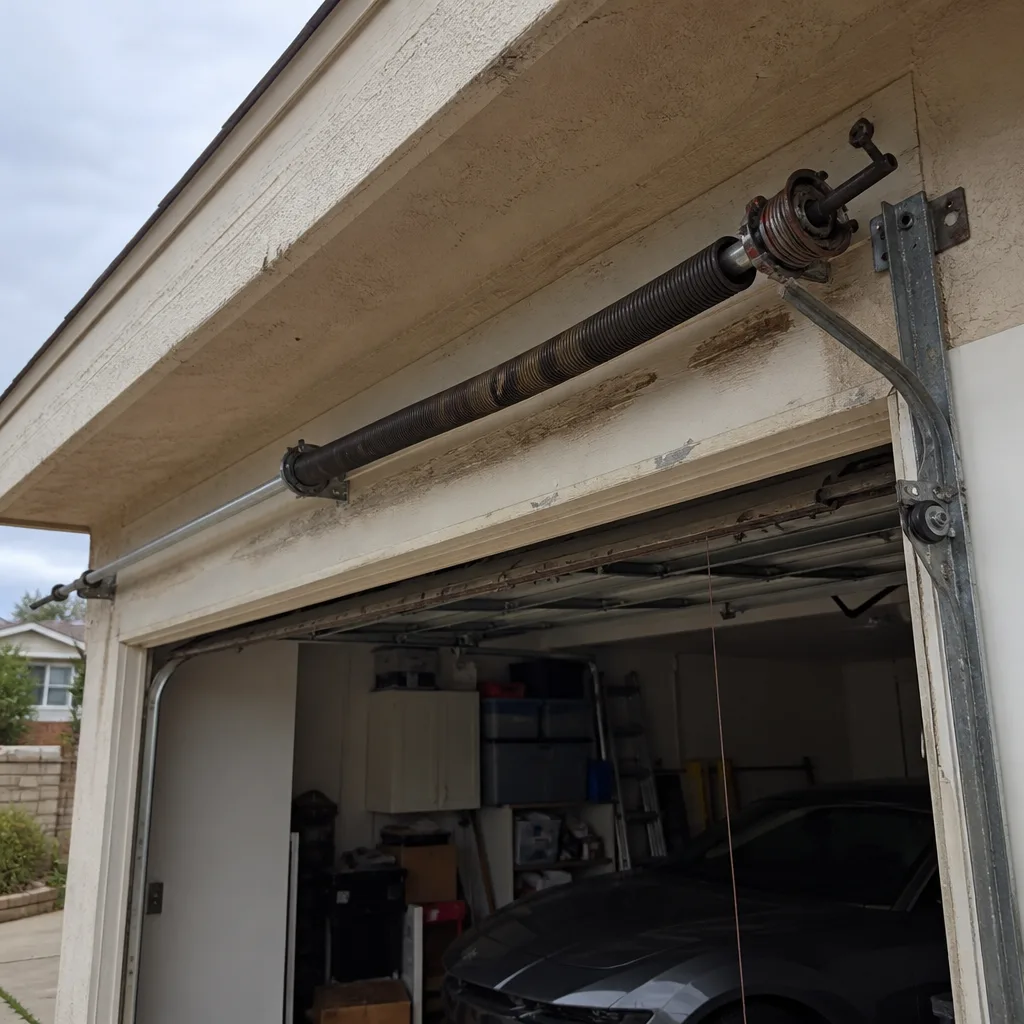 Before
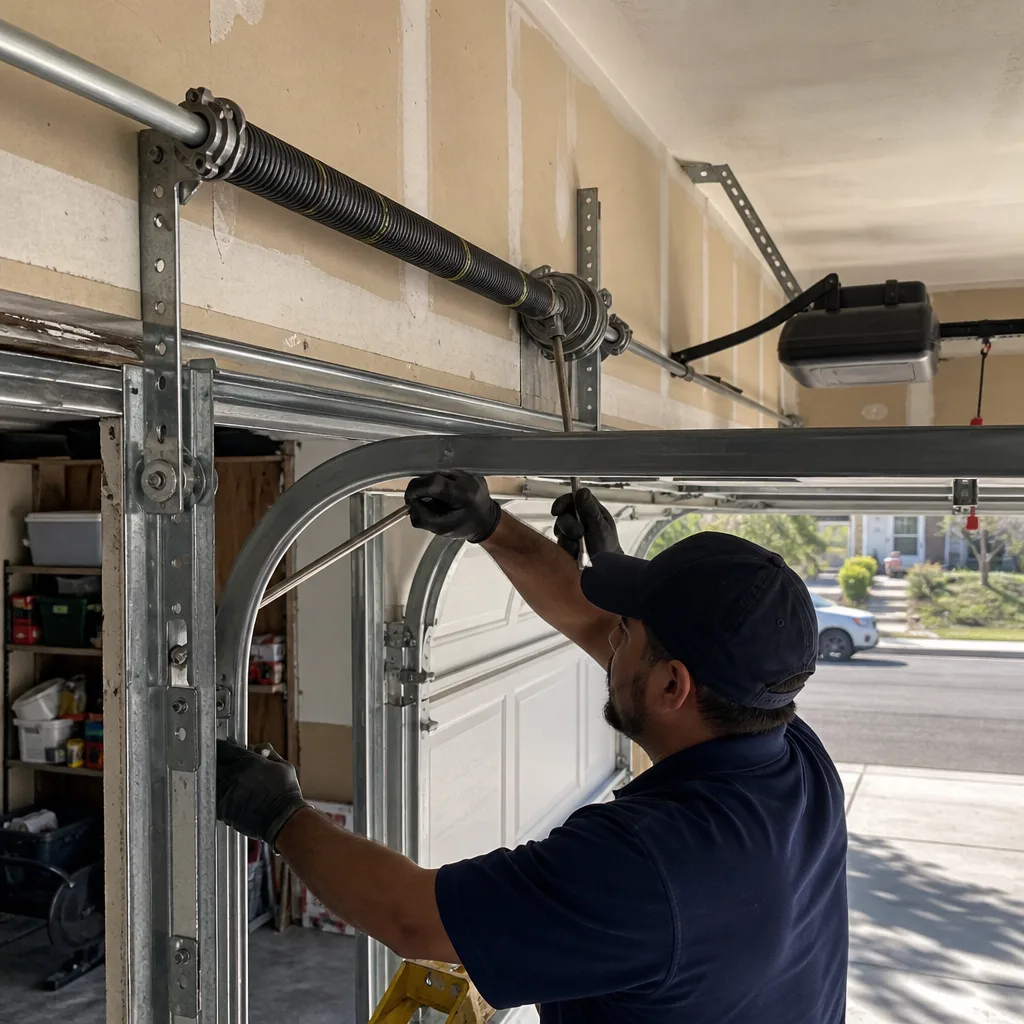 After
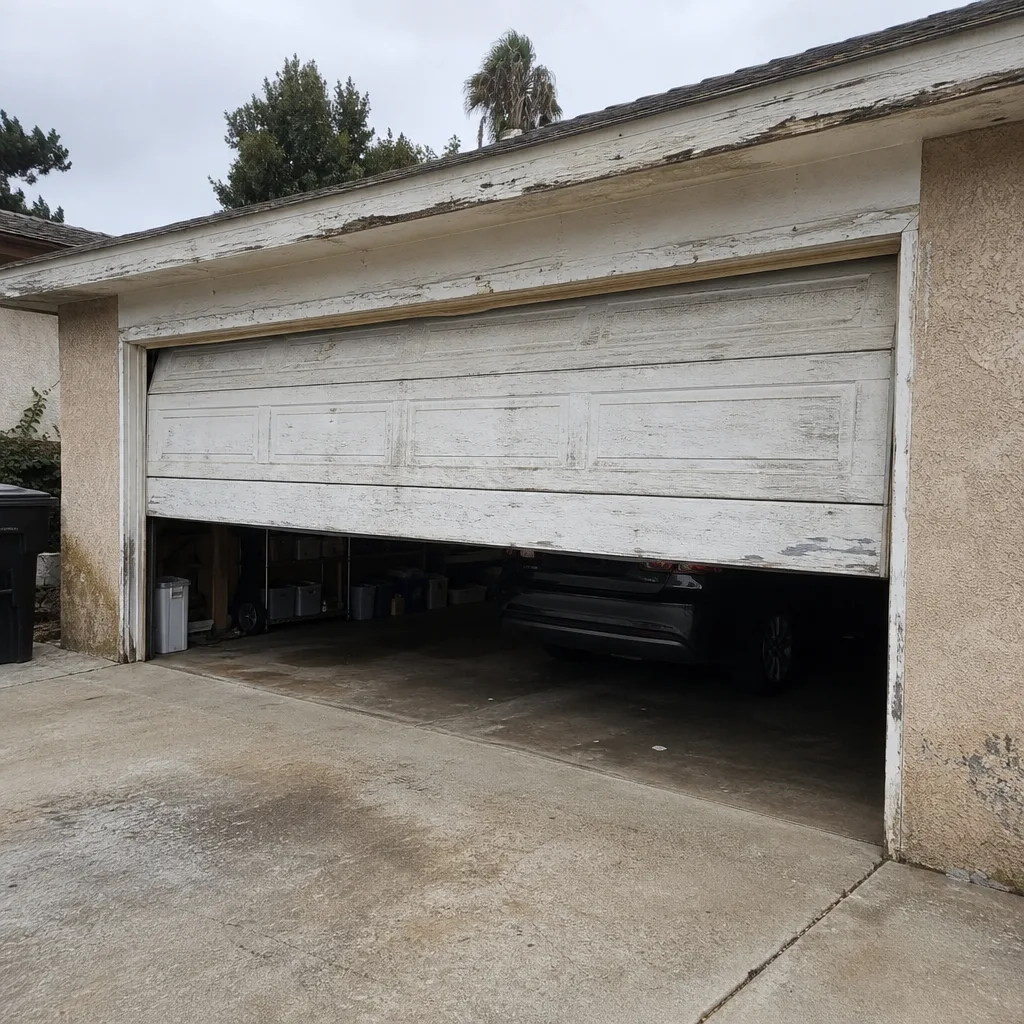 Before
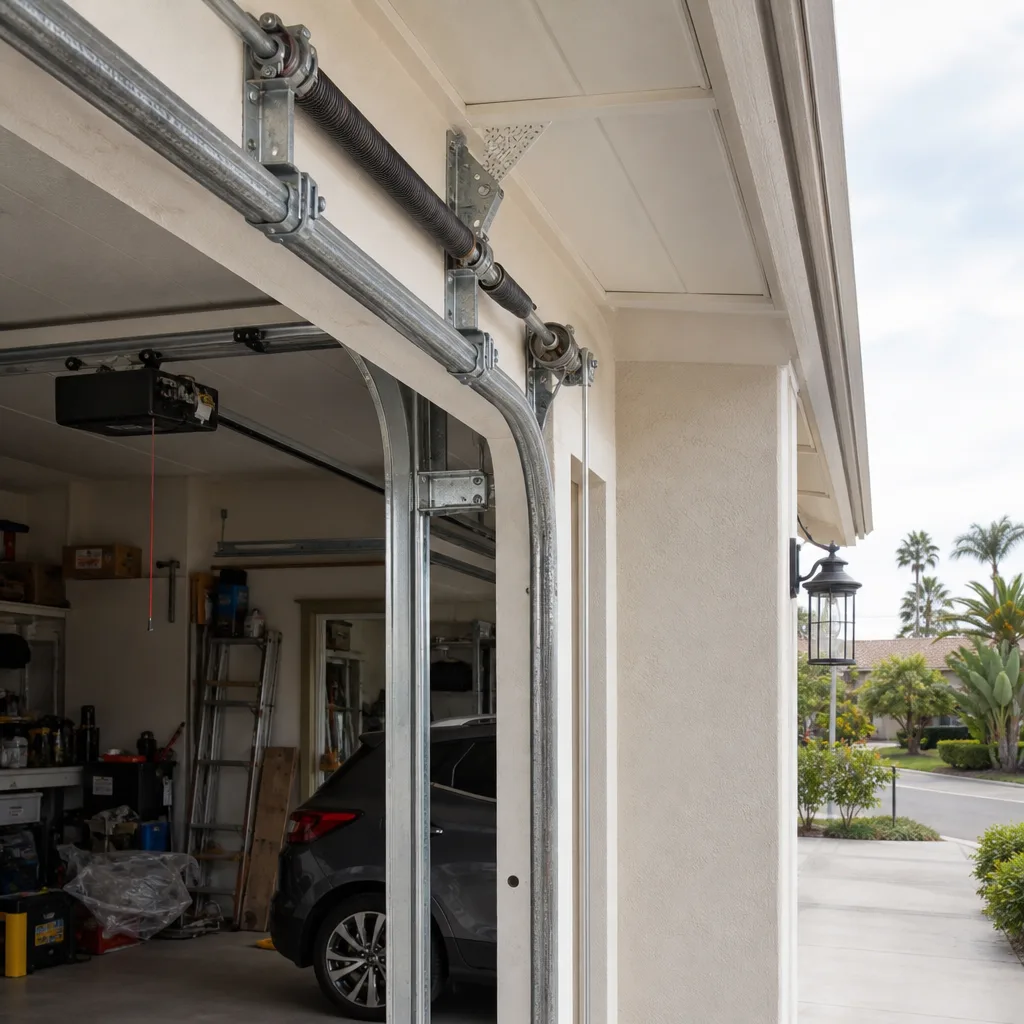 After