
Last updated October 30, 2026
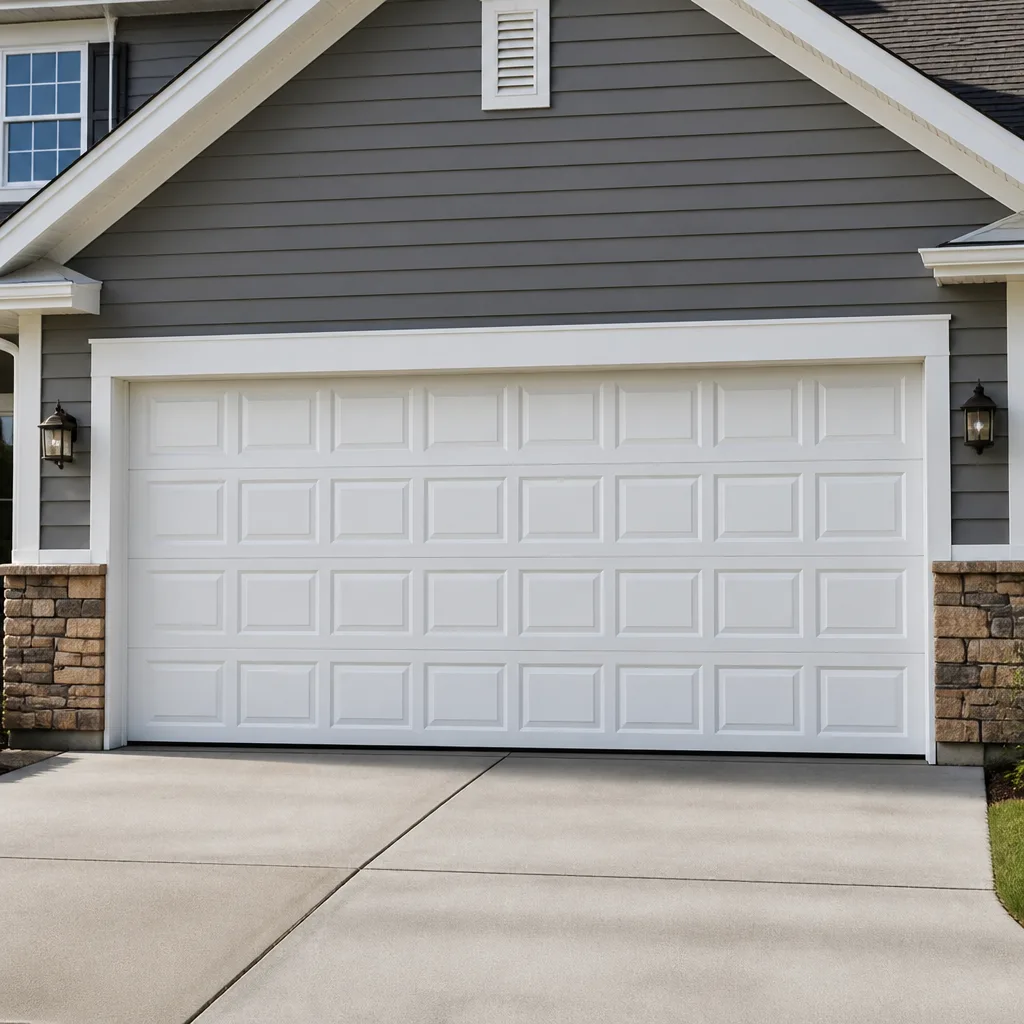 Raised-panel steel
 Carriage house
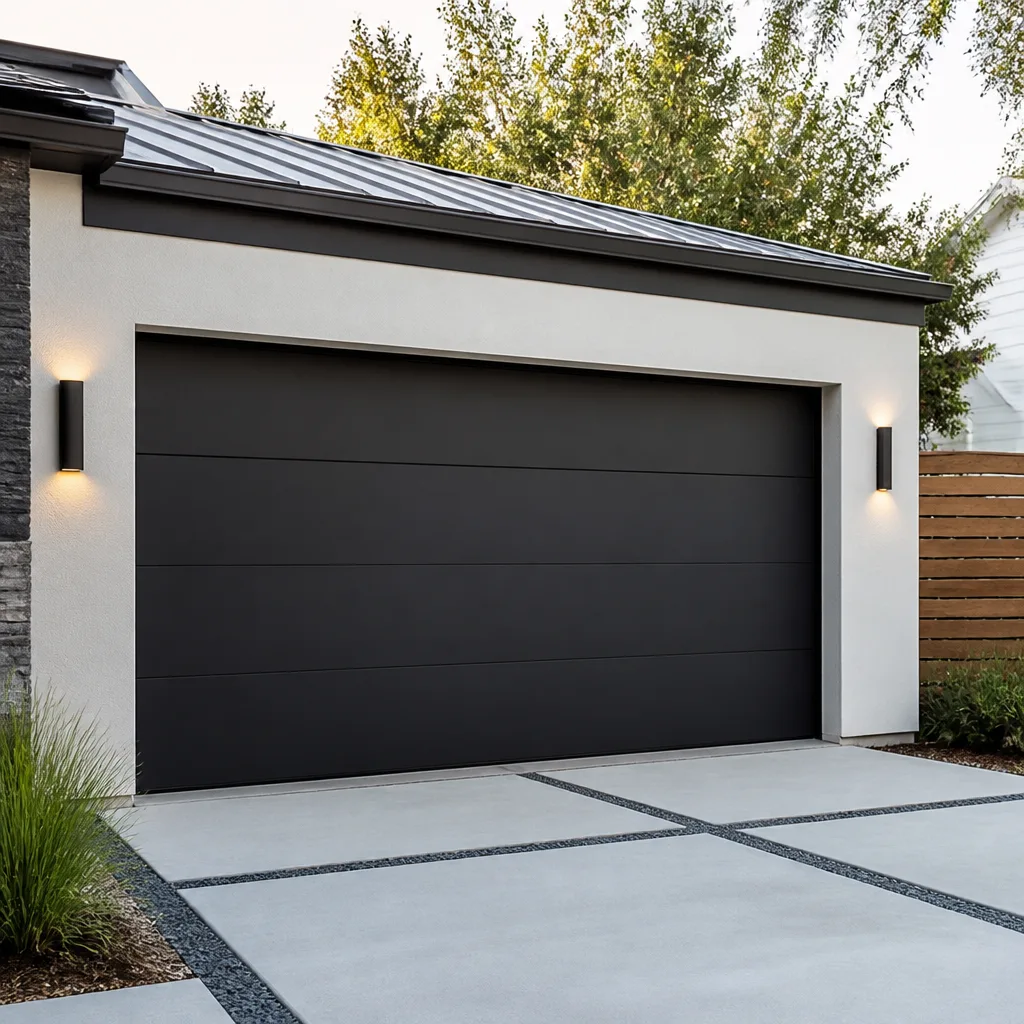 Modern flush
 Full-view glass
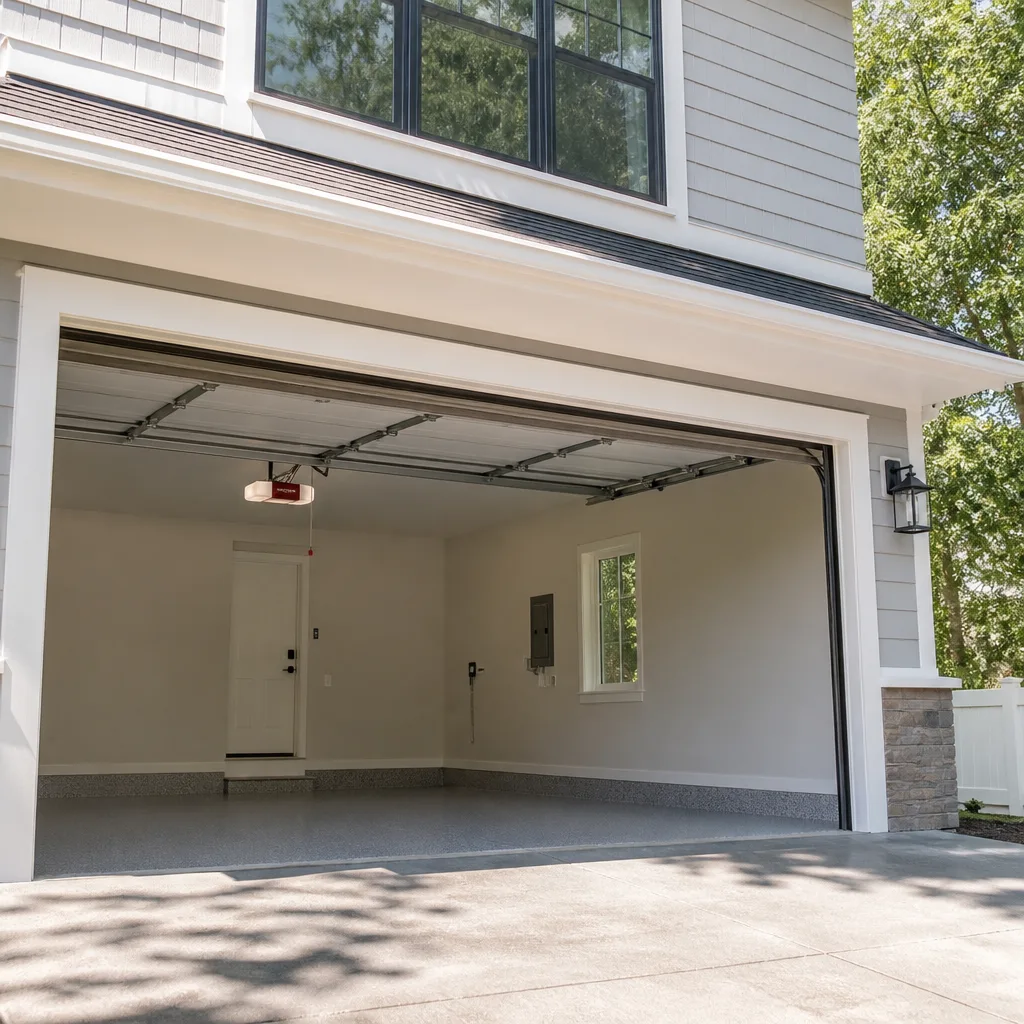 LiftMaster openers
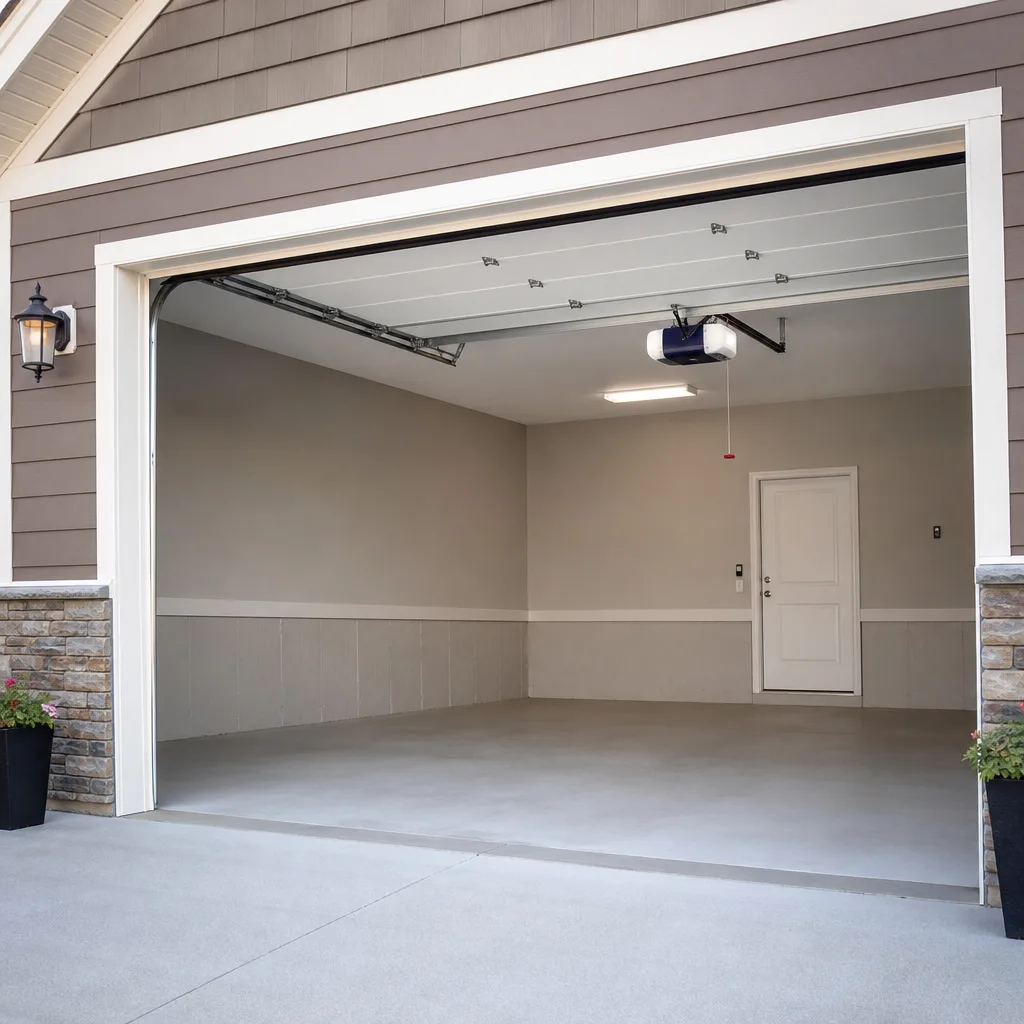 Chamberlain openers
Full 25-point door and opener safety check with every visit - springs, cables, rollers, tracks, and your LiftMaster or Chamberlain opener included
You get a price before we start. It does not change when the truck arrives.
Get your free estimateGarage Door Repair Maintenance Checklist for Oceanside Homeowners
Here’s a counterintuitive fact we’ve learned from thousands of garage door service calls across Oceanside: most homeowners don’t damage their doors by neglecting maintenance. They damage them by lubricating the wrong parts with the wrong product and speeding up the exact corrosion they’re trying to prevent. Coastal air carries salt and moisture that reacts with certain lubricants, and a door that’s been “well maintained” with the wrong spray can fail faster than one that was never touched at all. This guide tells you what to actually check, month by month, why those specific parts fail in Oceanside’s climate, and how to spot a real red flag before it becomes a Garage Door Warning Sign: A Oceanside Homeowner’s Reference Guide moment.
Styles & brands we work with
Quick Answer
A garage door maintenance checklist for Oceanside homeowners should include monthly visual inspections of six failure points (springs, cables, rollers, hinges, tracks, and weatherstripping), quarterly lubrication of only metal-on-metal moving parts using a silicone- or lithium-based product, and a twice-yearly tension and balance test, with special attention to salt-air corrosion on coastal hardware. Most Oceanside doors need this routine every 30 days during summer months when thermal expansion stresses springs, and every 60 days in cooler weather.
Table of Contents
- The Six Failure Points Behind 80% of Oceanside Service Calls
- What to Lubricate, What to Leave Dry: A Coastal-Specific Lubrication Guide
- Why Oceanside’s Salt Air Damages Doors Differently Than Inland Heat
- Your Monthly Visual Checklist: 15 Minutes, Zero Tools
- How to Tension-Test Your Springs Without Touching Them
- Brand-Specific Maintenance: Clopay vs. Wayne Dalton vs. Genie
- How to Document Wear So a Technician Diagnoses Faster (and Warranties Work)
- Common Mistakes to Avoid
- When to Call a Professional
- Frequently Asked Questions
- The Bottom Line
The Six Failure Points Behind 80% of Oceanside Service Calls
In our experience working on garage doors throughout Oceanside, from Fire Mountain to Rancho del Oro, six components account for the vast majority of breakdowns we see. Knowing what they are, where they sit, and what early-stage wear looks like will save you from most our Garage Door Repair services emergency calls. Here’s what fails, in order of frequency, and what to look for.
1. Torsion springs
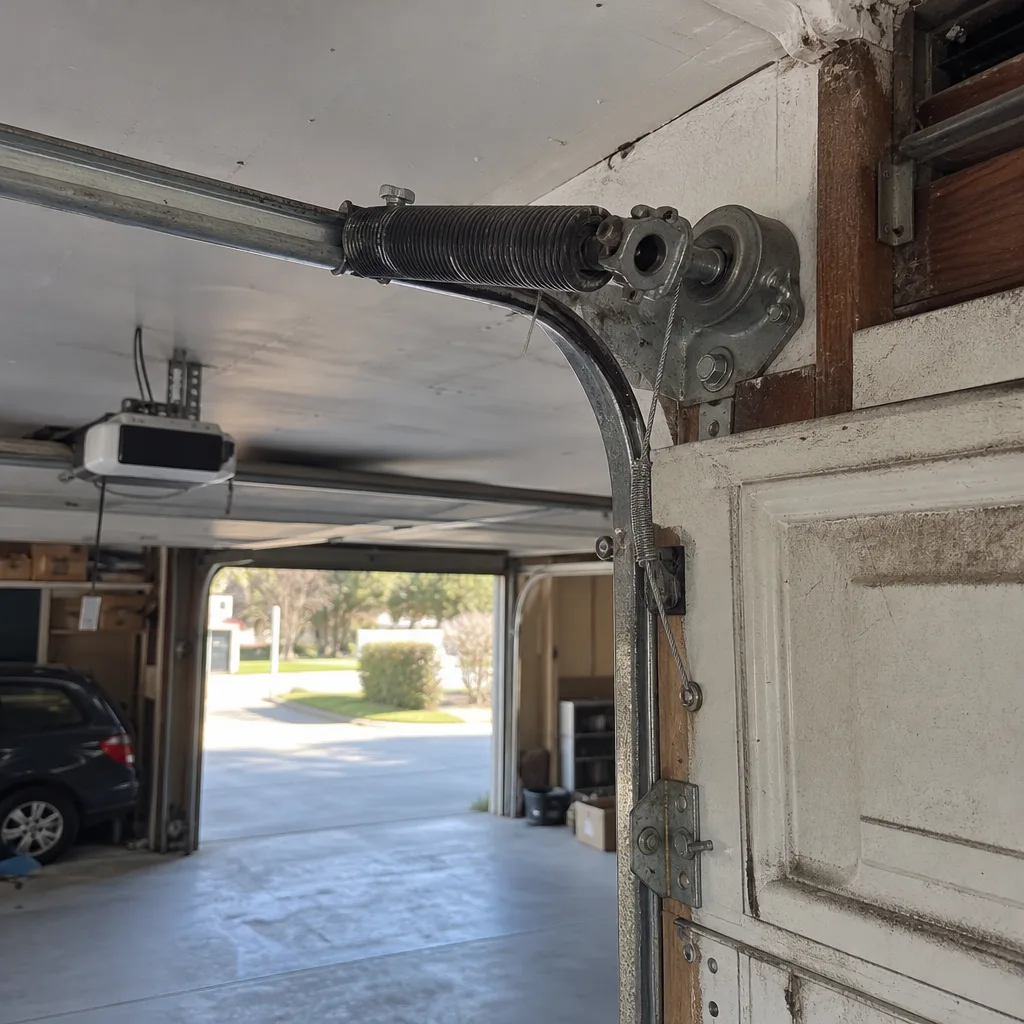
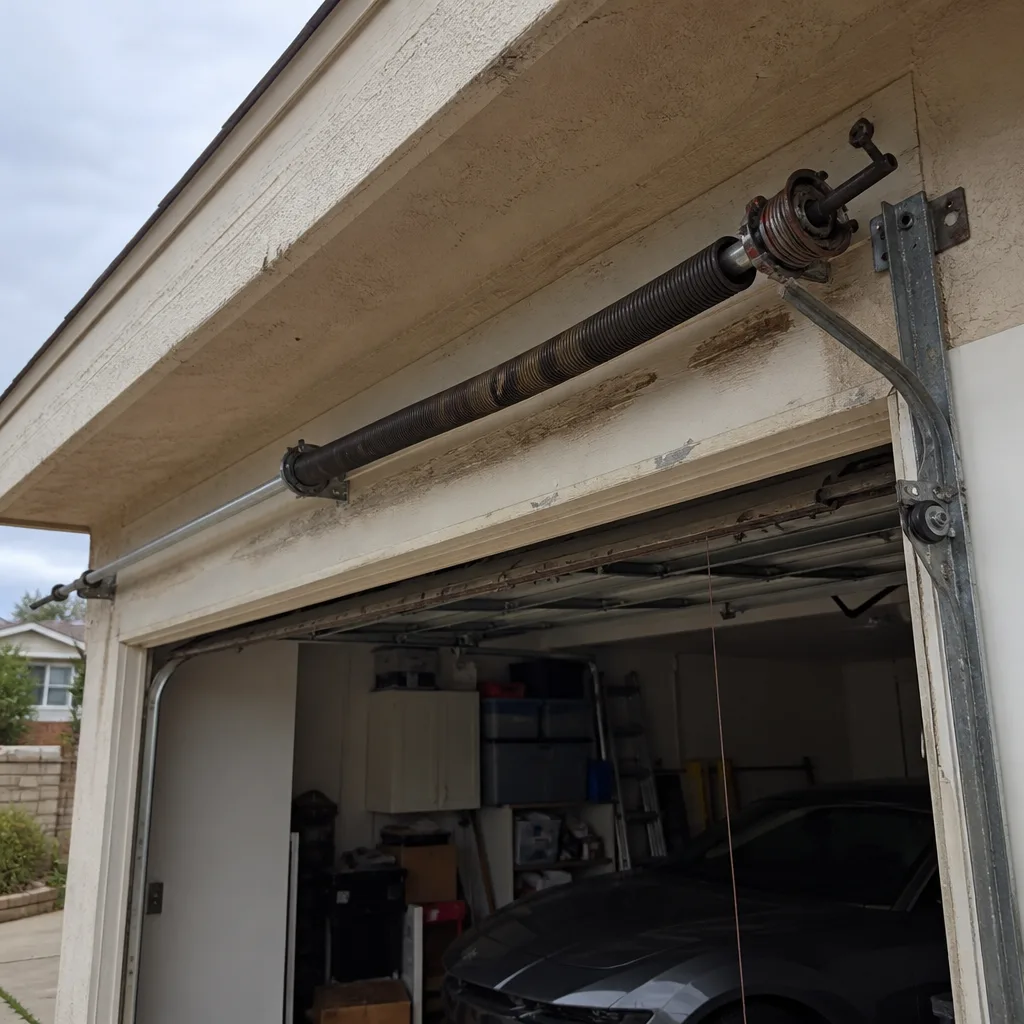
The torsion spring sits above your closed door, wound tight with enough tension to lift several hundred pounds. In Oceanside’s marine layer, springs develop micro-pitting from ambient salt and moisture, even on doors that stay closed. The pitting creates stress points that eventually snap. Average lifespan in coastal air is 7 to 10 years, versus 10 to 12 inland. Look for a thin line of rust forming on the spring coil, any visible gap in the coil, or a door that suddenly feels heavier when you lift it manually.
2. Lift cables
These high-tension cables run up each side of the door and connect to the spring assembly. Near the coast, cables fray strand by strand rather than snapping cleanly. Run a finger along the cable and feel for any tiny wire splinters. A cable with broken strands is a door that can drop hard in the middle of a cycle. This is a professional-only replacement; the cables are under enough tension to cause serious injury.
3. Rollers
Steel rollers, common on older doors, corrode and seize in Oceanside’s humidity. Nylon rollers with sealed bearings hold up far better. Listen for a grinding sound when the door moves. If the roller doesn’t spin freely against the track, it’s dragging, and that drag gets worse every week. Rollers are cheap; track wear from a seized roller is not.
4. Hinges
Door hinges bind as their internal grease washes out or hardens. A loud pop or snap when the door passes the bend in the track is almost always a hinge. Check each hinge visually for cracks, then spray the pivot point with a silicone-based lubricant once per quarter if the hinge is exposed metal.
5. Track alignment
Tracks rarely fail on their own; they fail because rollers wear unevenly, the door takes a minor hit from a car bumper or basketball, or the mounting bolts loosen over time. Look down the vertical track from above and see if it’s parallel to the door edge. Check the bolts at the track brackets. A door that shudders side to side is telling you the track is out of plane.
6. Bottom weatherstripping
The rubber flap along the bottom of your door keeps salt-laden air and rainwater out of your garage. In Oceanside, it stiffens and cracks in about 2 to 3 years. Pinch it. If it doesn’t bounce back or you can see daylight under it, replace it. It’s the cheapest part on this list and the one most homeowners forget until water stains a stored box.
These six parts are the failure points behind most garage door repair calls in Oceanside. If you check only these six, you’ll catch nearly every preventable breakdown before it happens.
What to Lubricate, What to Leave Dry: A Coastal-Specific Lubrication Guide
The most common maintenance mistake Oceanside homeowners make isn’t skipping maintenance, it’s lubricating the wrong parts with the wrong product and accelerating the very corrosion they’re trying to prevent. Let’s be clear about what belongs where.
Products to use
- White lithium grease for garage door hinges and metal-on-metal pivot points. Thin enough to penetrate, heavy enough to stay.
- Silicone spray lubricant for nylon rollers, springs, and bearing plates. It doesn’t attract dirt and it won’t break down in high humidity.
- Garage door-specific lubricant from any hardware store, which is usually a blend of petroleum distillates designed for garage door parts. We’ve used them all with good results.
Products to avoid
- WD-40. WD-40 is a water displacer, not a lubricant. It strips away the protective film and leaves metal nearly bare in humid air. In Oceanside’s climate, that translates into rust within weeks. We see doors every month where a homeowner “maintained” a spring with WD-40 and it corroded prematurely.
- Penetrating oil. Great for loosening bolts, terrible for garage door parts. It evaporates quickly and leaves nothing behind.
- Grease on nylon rollers or tracks. Grease on the track attracts dirt and sand. Grease on a nylon roller gets into the bearing and degrades the nylon. Neither one is safe.
Where NOT to lubricate
The track. Never the track. The rollers have bearings; they roll, they don’t slide. Lubricating the track means the rollers pick up the residue, dirt sticks to it, and you get a grinding paste. Same with the chain on a chain-drive opener, unless the manual specifically says to oil it. Chain-drive openers from LiftMaster and Chamberlain run dry from the factory in most cases.
Here’s a simple quarterly routine: one spray of silicone on each of the two springs, one spray on each of the four hinges, one spray on each of the eight roller pivots. That’s it. Fourteen sprays, done.
Why Oceanside’s Salt Air Damages Doors Differently Than Inland Heat
If you’ve lived in Oceanside for more than a year, you’ve seen what the marine layer does to metal patio furniture. Garage doors get the same treatment, but the damage concentrates where you can’t always see it. Inland doors fail from heat fatigue and thermal cycling; coastal doors fail from electrolytic corrosion. Salt water in the air conducts electricity, which means the moment bare steel is exposed, it starts corroding from within. Springs make a good example: a spring from a home in Fallbrook will often rust on the surface and hold for years. The same spring in Fire Mountain or anywhere west of I-5 can rust from the inside out and snap without much visible warning.
The practical impact: if your house sits within two miles of the ocean, you should check your door’s hardware twice as often as the inland schedule. For most homes east of El Camino Real, monthly checks might be excessive. For homes west of Coast Highway, monthly is the minimum. Swing by the garage door and physically wipe down exposed metal with a dry microfiber cloth once a month. It removes the salt film before it has a chance to eat into the metal.
One more note on coastal homes: aluminum doors stand up better than steel here. If you’re planning a replacement, garage door installation in Oceanside gives you the option to choose a material specifically suited to the salt environment, and aluminum is worth considering.
Your Monthly Visual Checklist: 15 Minutes, Zero Tools
You don’t need to be handy to catch most garage door failures early. You need to know what a healthy door looks like, and then notice when yours stops looking like that. Here’s a five-step monthly inspection that requires nothing but your eyes, your hands, and 15 minutes.
- Open the door halfway and let go. If it drifts down, the springs are wearing. If it drifts up, the springs are over-tensioned. If it stays put, the balance is correct. Do this once a month. It’s the single most predictive test on the door.
- Look at the springs. Stand inside the garage with the door closed and look up. See any rust line on a coil? Any gap where the coil separates? Any shininess that suggests a new crack? If yes, write it down and schedule a spring replacement; a snapped spring means the door can’t lift and you’re calling for emergency service.
- Run your hand along each cable. Wear a work glove. Run two fingers slowly along the entire visible length of the cable. You’re feeling for wire splinters. A smooth cable is healthy. A fuzzy cable is near failure.
- Watch and listen to the door open and close fully. One cycle. Look at the door from inside the garage, watching the rollers. Listen for any grinding, popping, or scraping. A door that’s smooth and nearly silent is happy. A door that shudders is telling you a hinge or roller is done.
- Check the bottom weatherstrip. Close the door and look for daylight under it. Press the rubber with your thumb. If it cracks, replace it. This takes five minutes and costs about $20 for the strip.
If steps 1 through 4 check out, your door is in good shape. If any one of them doesn’t, make a note. You’re building the documentation that a technician will use to diagnose the door in minutes instead of hours.
How to Tension-Test Your Springs Without Touching Them
The torsion spring is the most dangerous component on a garage door. It holds hundreds of pounds of stored energy, and a spring that snaps under load can send metal flying with enough force to injure a person. Do not touch the spring. Do not pry on it. Do not try to adjust it yourself. You can tell whether the spring is healthy without ever bringing your hand near it. Here’s how.
The lift test
Disengage the opener by pulling the red emergency cord, then lift the door manually to knee height and let go. A healthy door stays exactly where you left it. If the door sinks, the spring has lost tension and is approaching failure. If it shoots upward, the spring is over-tensioned. Both are red flags; the first means the spring is wearing unevenly, the second means someone over-wound it at some point and it’s been holding extra stress this whole time.
The sound test
Open and close the door and listen specifically to the spring. A healthy torsion spring makes almost no sound. A creaking or grinding spring means the coil surfaces are rusting and rubbing against each other, which in Oceanside’s salt air is a sign the spring is nearing the end of its service life. A spring that pops audibly when the door moves is telling you the coil is slipping on the shaft, and that’s a repair you need to schedule this week, not this month.
The visual test
Stand back and look at the spring as a straight line. A healthy spring is one smooth coil with zero gaps. A spring with a visible separation means the coil is already cracked and the spring is held together by nothing more than its remaining unbroken coils. At that point you’re not doing maintenance, you’re on borrowed time. Springs are not a place to be curious or brave. Garage door repair in Oceanside is typically a same-week service, not an emergency, when you catch the signs early.
Brand-Specific Maintenance: Clopay vs. Wayne Dalton vs. Genie
A maintenance checklist should be calibrated to your specific door, not a generic list that treats a Wayne Dalton the same as a Clopay. Here’s where the big three often-installed brands diverge.
Clopay
Clopay doors, especially the steel insulated models common in Oceanside, have nylon rollers and zinc-plated hinges. The hinges are the weak point; they’re well built but they have tight tolerances and they bind unless lubricated with a light silicone every few months. Clopay doors also come with a weatherstrip that tends to harden at the corners faster than the middle. If you own a Clopay, pay extra attention to the hinge at the top panel; it carries the most weight and tends to crack first.
Wayne Dalton
Wayne Dalton doors carry a different design, with front-mounted springs on some models and a TorqueMaster system hidden inside the tube on others. If your Wayne Dalton has the TorqueMaster system, you won’t see a traditional exposed spring, and your lubrication routine is different; there’s no exposed coil to spray. Your maintenance focus shifts to the cable drums and the bottom bracket, which are the components that fail on Wayne Dalton doors. The rollers also sit differently in the track and tend to wear the track bend faster than Clopay rollers.
Genie
Genie is primarily an opener brand, and if your garage door runs on a Genie opener, your maintenance is about the opener’s drive system as much as the door itself. Genie screw-drive openers need the screw lubricated with a light grease every year; chain-drive Genies run dry. The common Genie failure is the carriage assembly, and it’s often caught by sound. If the opener motor runs but the door doesn’t move, or you hear a rattling coming from the carriage, that’s a garage door opener repair in Oceanside issue, not a door issue.
We work on all of these brands, and the reason brand-specific matters is that a diagnosis that assumes a Clopay’s parts and layout will miss a Wayne Dalton’s particular failure pattern. Diagnosed correctly, fixed the first time.
How to Document Wear So a Technician Diagnoses Faster (and Warranties Work)
Here’s a practice that costs nothing and saves real money: photograph your door hardware once a month and keep a simple log. A garage door that’s been documented over time gives a technician more diagnostic signal than a door that’s only described from memory. “It sounds weird sometimes” is a starting point; “the spring has developed a rust line in the last 30 days and the door sinks from half-open when the temperature drops below 60 degrees” is a diagnosis wrapped in a sentence.
What to photograph
- The springs. A clear shot of the torsion spring or extension springs, focused enough to see coil condition.
- The cables. One photo per side, close enough to see individual strands.
- The rollers and hinges. A straight-on shot of each hinge and roller, or one shot per side that captures them all.
- The bottom weatherstrip. A shot from inside looking down at the strip while the door is closed.
What to note
Three lines per month is enough. Date, any new sound or movement change, and any change you see in the photos. Store them in a folder on your phone called “Garage Door.” When a technician arrives, hand them the phone. The repair goes from an hour of exploratory diagnosis to a precise fix in half the time.
If you’re dealing with a manufacturer warranty claim, this documentation is your evidence. A warranty claim is often denied because the owner can’t prove the failure wasn’t caused by neglect. A photo history that shows you inspected, lubricated with the correct product, and caught the failure early is exactly what a warranty adjuster needs to approve a claim. We’ll also use the record to speed up our visit; Canyon Garage Door Repair offers free estimates in Oceanside, and the more history you can hand us, the faster we can get to the actual fix.
Common Mistakes to Avoid
- Using WD-40 on the springs. It’s the single most common mistake we see in Oceanside, and the one that does the most damage. WD-40 strips protective coating and leaves springs bare in humid air.
- Lubricating the track. This is second place. The track should stay dry and clean. If it’s dirty, wipe it with a dry rag. If it’s bent, call a pro.
- Painting over rust without treating it. A coat of paint over rusted hardware hides the corrosion and makes it worse underneath. Treat the rust first, then paint, or replace the component.
- Ignoring a noisy door because “it still works.” Noise is the earliest warning sign of almost every garage door failure. A door that’s getting louder every month is a door that’s about to cost more than a door that’s quiet.
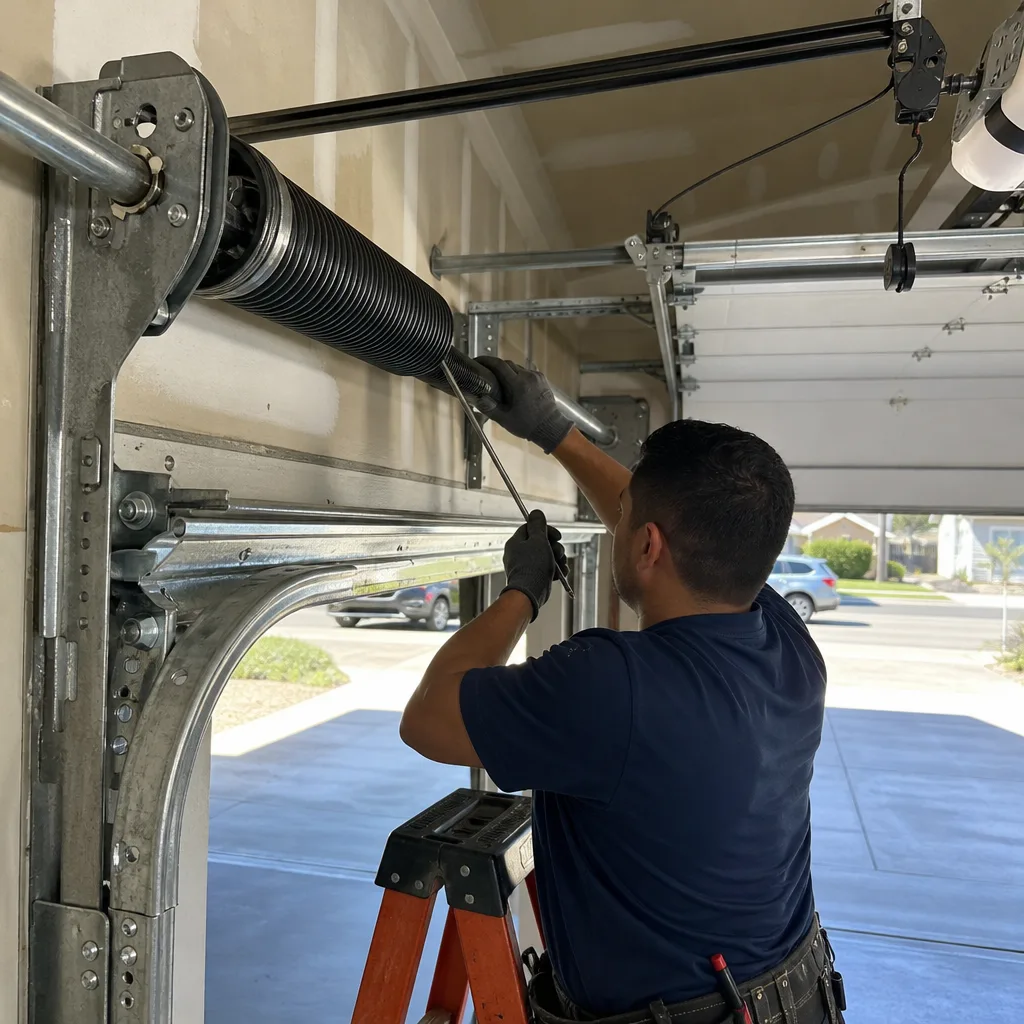
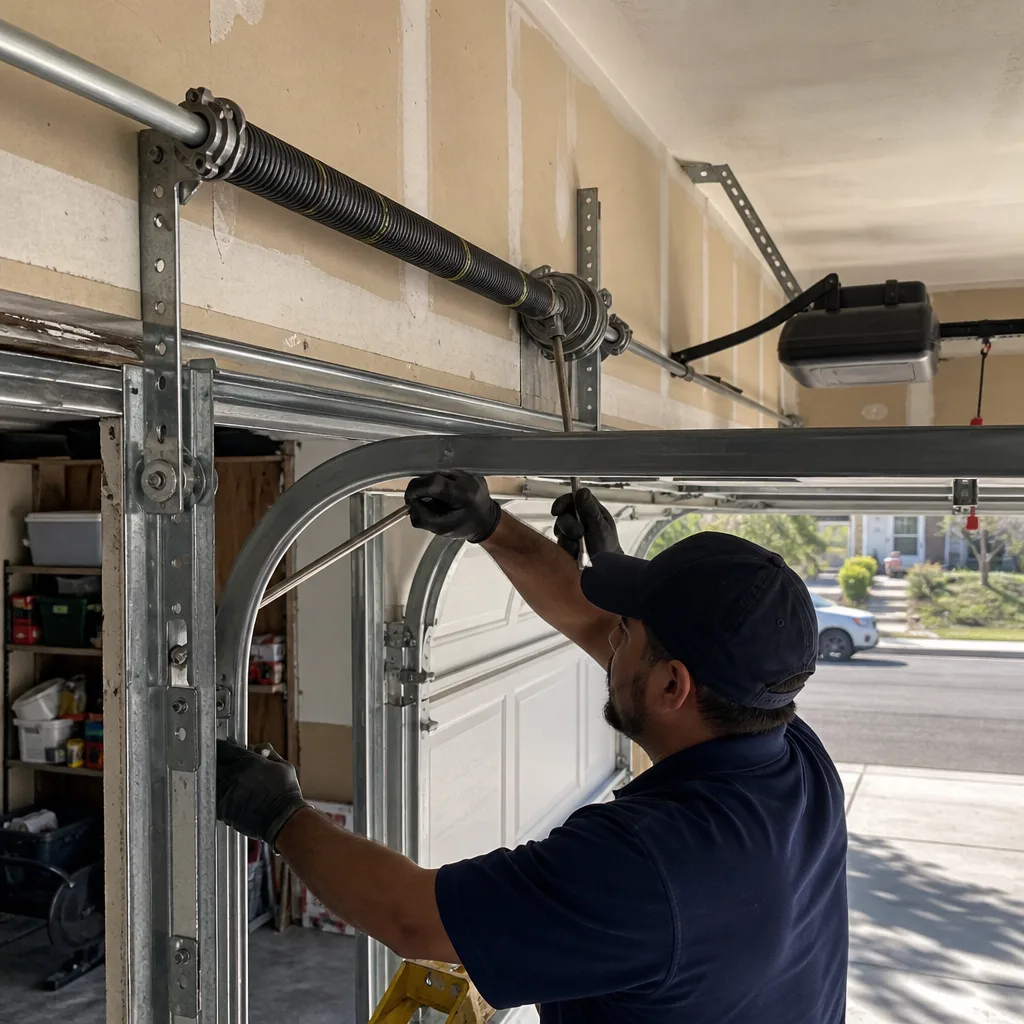
- Adjusting springs yourself. We say this in every guide because it’s true every time: torsion springs are not a DIY part. They hold enough stored energy to cause serious injury or death. No maintenance checklist should ever include spring adjustment.
- Skipping the balance test. It takes 10 seconds and it’s the most predictive check on the list. If you do nothing else monthly, do this.
When to Call a Professional
Some garage door maintenance is genuinely DIY. Lubricating hinges, checking the balance, photographing hardware, replacing weatherstripping – that’s all homeowner work. Other things are not. Call a professional if your spring has a visible gap or rust line (the spring is under extreme tension and can cause serious injury if it fails while you’re nearby), if your cables are fraying, if the door is off-balance enough to drift, or if you hear the opener motor running but the door doesn’t move. Those are not maintenance items; they’re repair items. Canyon Garage Door Repair offers free estimates in Oceanside – call (844) 295-2241 and we’ll diagnose it, quote the work before we start, and you’ll know the price before any wrench turns.
Frequently Asked Questions
Monthly is the right cadence if you live within two miles of the coast, and every other month works for inland Oceanside. The marine layer accelerates corrosion on metal hardware, and the difference between a caught-early spring and a snapped spring is often four to six weeks of attention.
A silicone-based spray is the best lubricant for Oceanside garage doors; it resists humidity, doesn’t attract sand, and won’t break down in marine air. White lithium grease works well on hinges. Avoid WD-40 entirely; it’s a water displacer, not a lubricant, and it accelerates rust on coastal hardware.
No. Torsion springs hold hundreds of pounds of stored energy and can cause serious injury or death if they fail while you’re working on them. This is a professional-only repair.
A basic maintenance visit in Oceanside typically runs between $80 and $150, which includes inspection, lubrication, and minor adjustments. If wear is caught early, that’s usually the extent of the cost. Catching the same problem after it fails usually means a $200 to $450 repair instead.
Torsion springs in Oceanside typically last 7 to 10 years, compared to 10 to 12 years inland. The difference is salt and moisture in the air, which causes internal corrosion even on springs that look fine from the outside.
A grinding noise usually means a seized roller or a failing hinge; a burning smell from the opener means the motor is working against a door that’s too heavy, often a spring that’s losing tension. Both are repair signals, not maintenance items. Call (844) 295-2241 and we’ll help you figure out which one you’ve got.
The Bottom Line
A garage door that gets 15 minutes of attention every month will outlast a door that gets ignored by years, and you can find more guides & resources to help. The routine is simple: check the balance, listen to the door, photograph the hardware, lubricate the right parts with the right product, and keep the salt off the metal. If you live in Oceanside, you’re already ahead of most homeowners in the county if you do that much. And if something looks wrong, you don’t have to guess at it. Call (844) 295-2241 and we’ll tell you what’s happening, quote the fix before any work begins, and get your door back to quiet and smooth. That’s the whole point of maintenance, after all: keeping the small things small.
Written by the team at Canyon Garage Door Repair, serving Oceanside since 2017.
See the difference
 Before
 After
 Before
 After
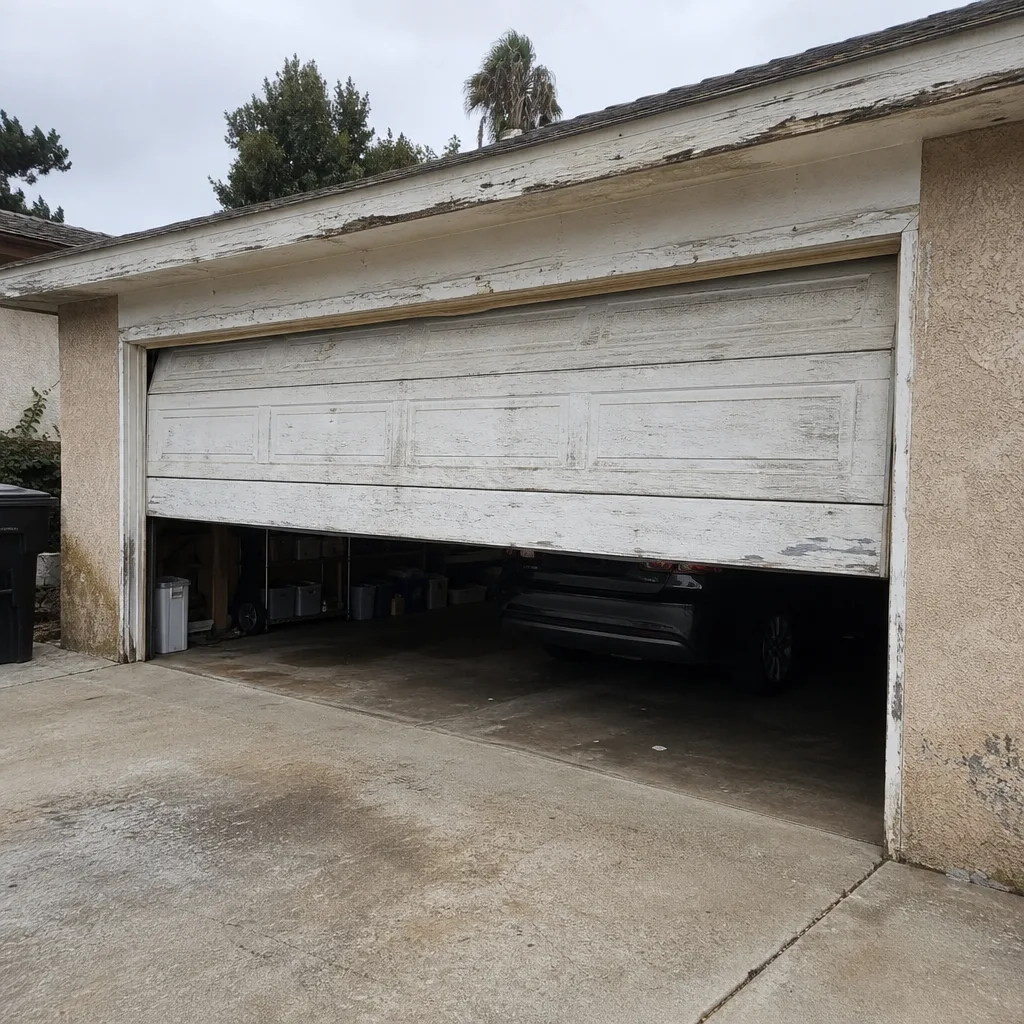 Before
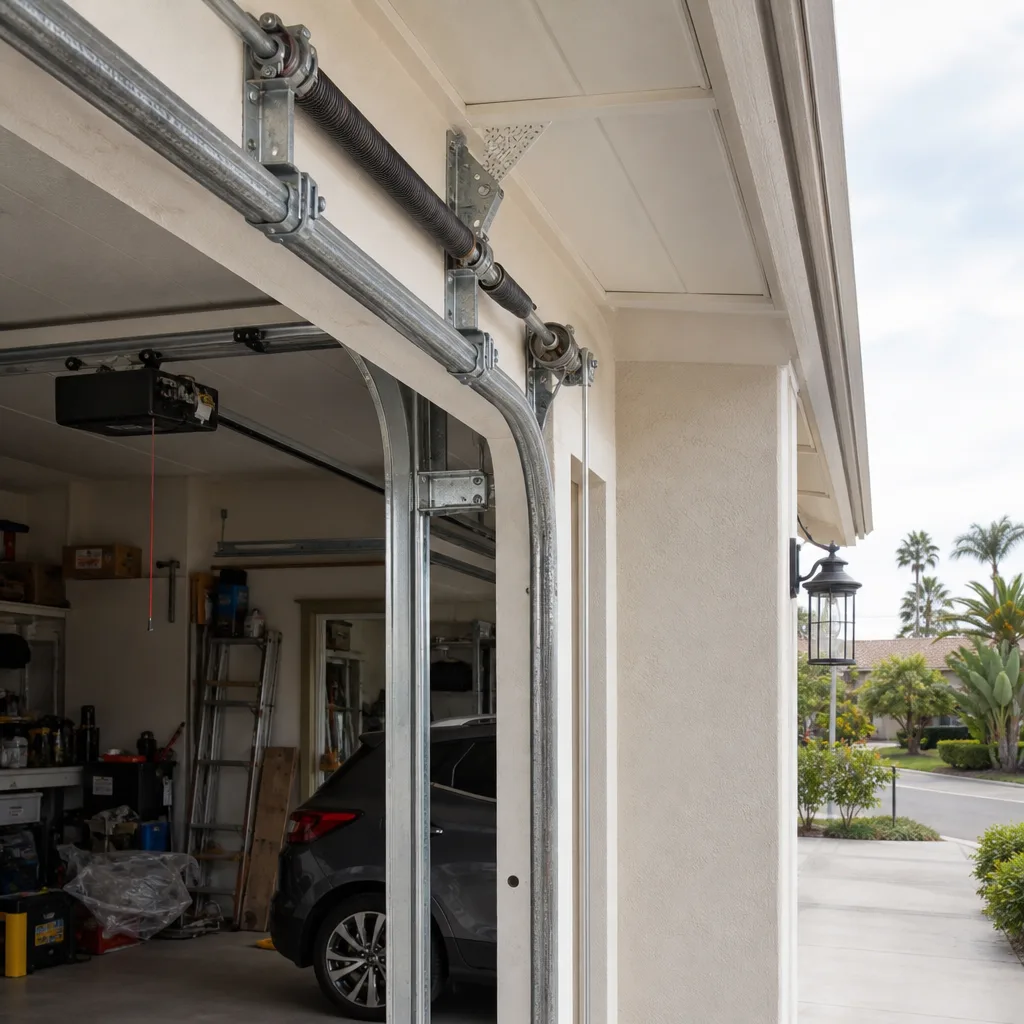 After