
Last updated October 30, 2026
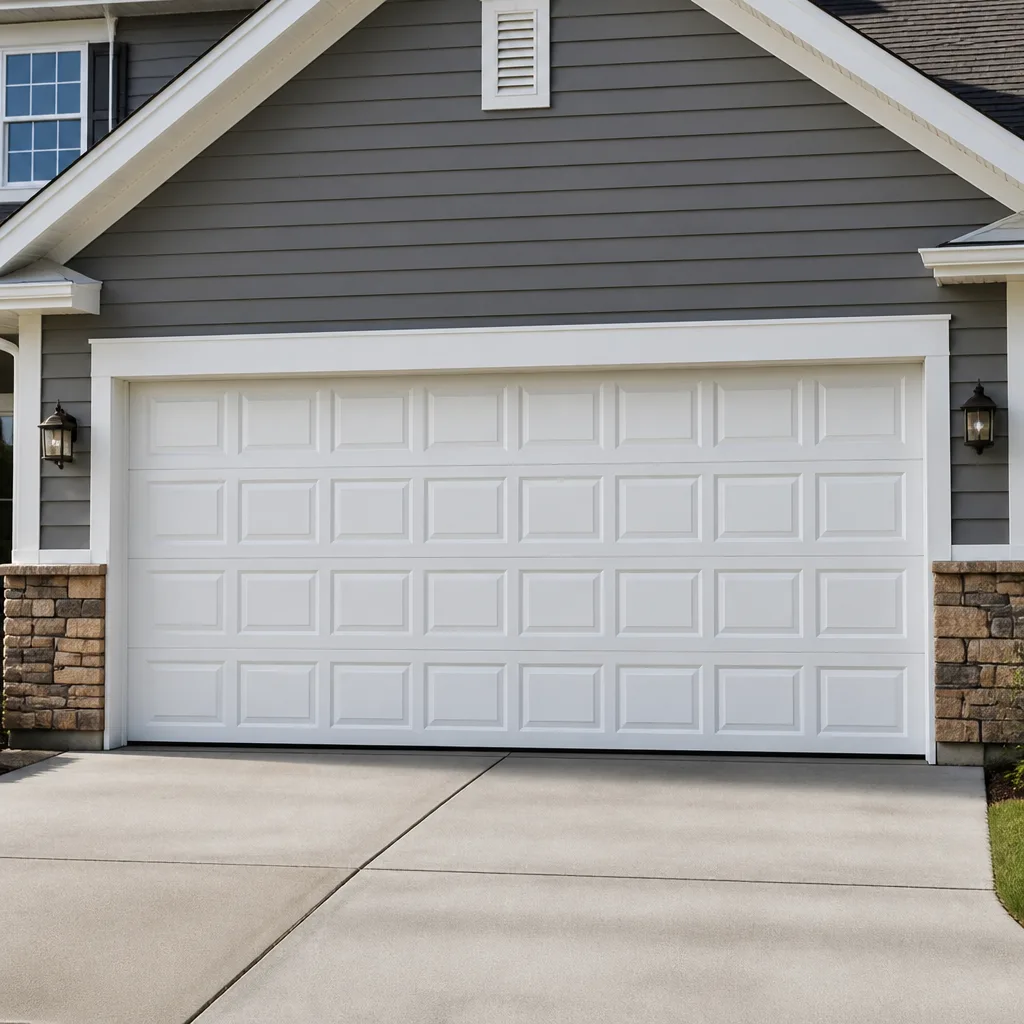 Raised-panel steel
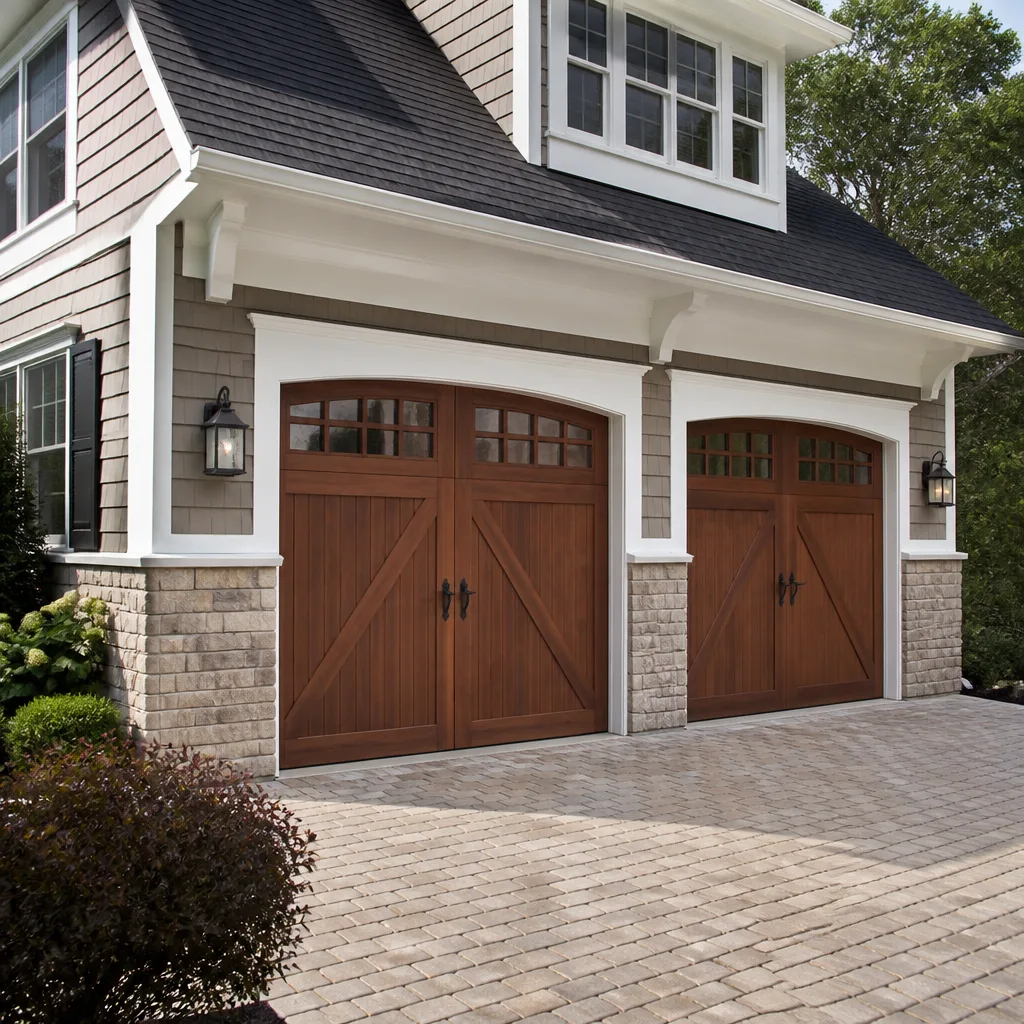 Carriage house
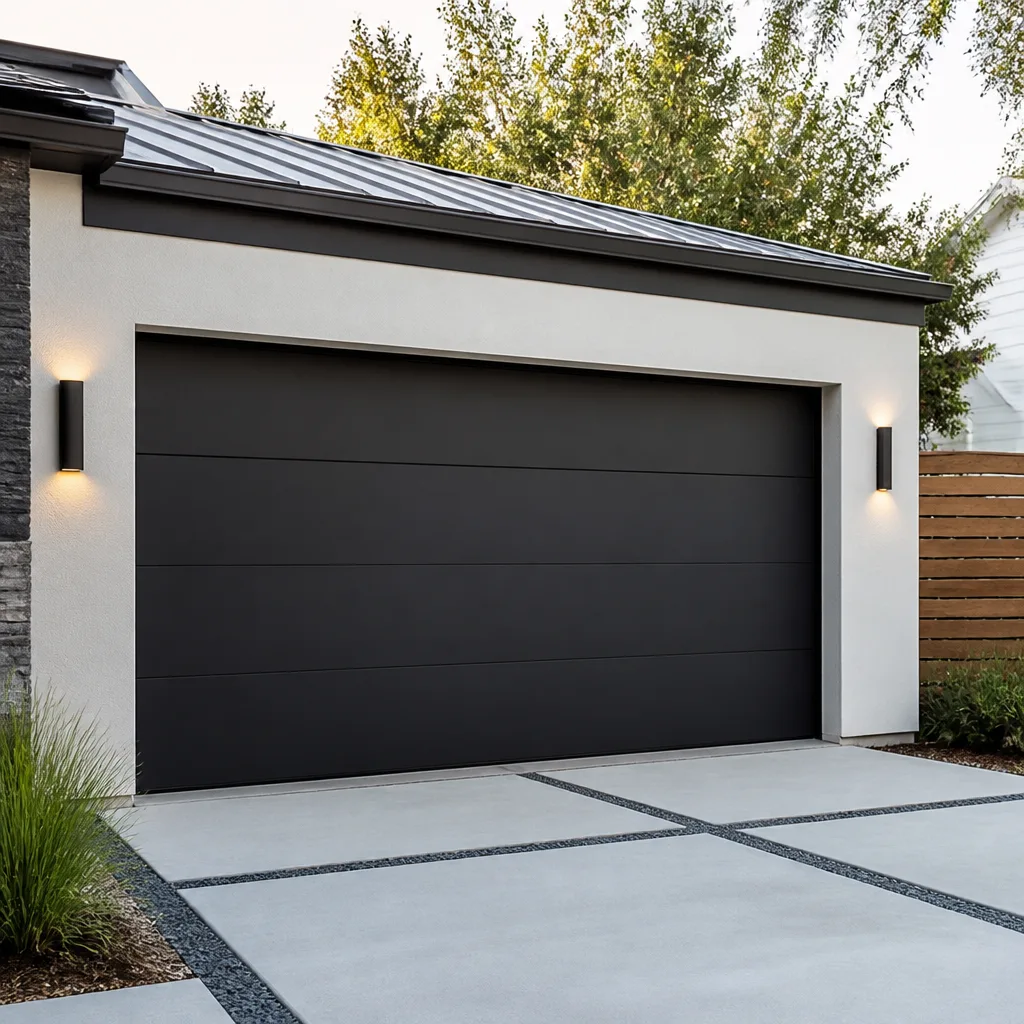 Modern flush
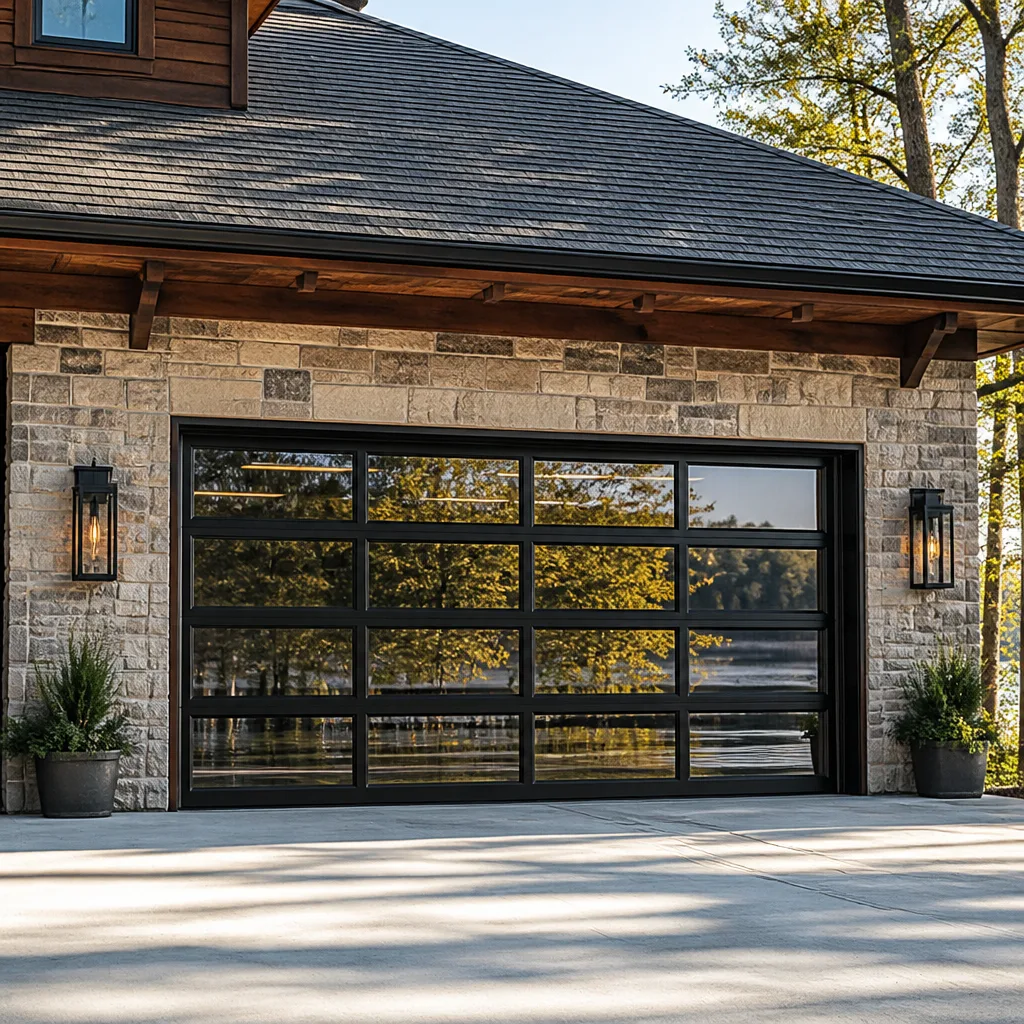 Full-view glass
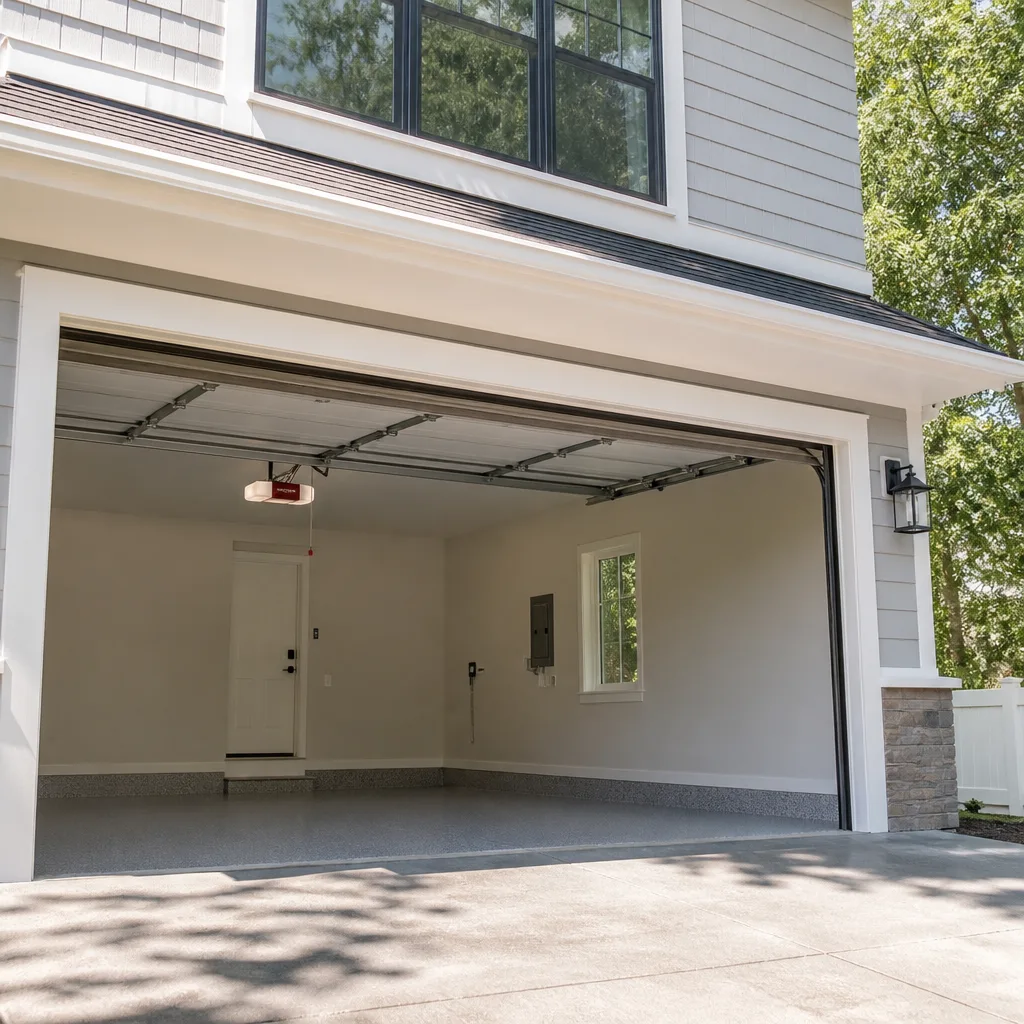 LiftMaster openers
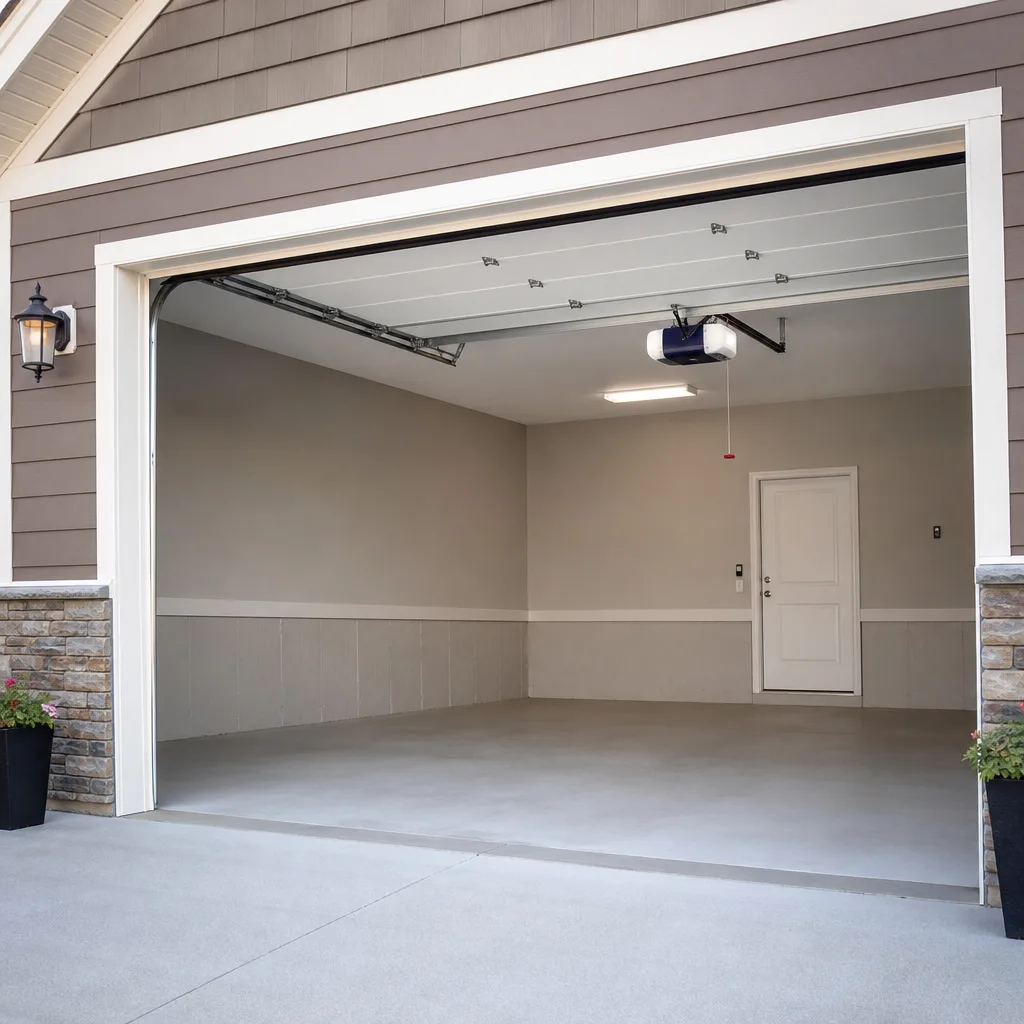 Chamberlain openers
Full 25-point door and opener safety check with every visit - springs, cables, rollers, tracks, and your LiftMaster or Chamberlain opener included
You get a price before we start. It does not change when the truck arrives.
Get your free estimateGarage Door Permits, Codes & Inspections in CA: What You Need to Know
California homeowners have discovered at closing that an unpermitted garage door replacement, the kind contractors do every day, flagged a title issue that cost more to resolve than the original door. It happens more often than anyone admits. The seller’s disclosure form asks whether all improvements were permitted, and when the answer triggers a title search, a door that was swapped out five years ago suddenly becomes the buyer’s leverage point. In Oceanside, where homes range from 1950s beach cottages to new Fire Mountain builds, the permit rules shift depending on which category your property falls into. This guide walks through what actually requires a permit, what doesn’t, and which code sections matter most when you’re dealing with an attached garage in California.
Quick Answer
In California, replacing an existing garage door with a like-for-like unit typically does not require a permit, but installing a new door opening, changing the opening size, or converting a carport to a garage does. Attached garages must comply with fire-rated door requirements under California Building Code Section 406, and any new opener must meet UL 325 safety standards. When in doubt, call your local building department in Oceanside before work begins, not after.
Styles & brands we work with
Table of Contents
- When a Garage Door Project Triggers a Permit in California
- Like-for-Like Replacement: What Actually Qualifies
- California Building Code Section 406 and Fire-Rated Door Compliance
- Oceanside Municipal Amendments: Setbacks, Egress, and Local Code Layers
- UL 325 Opener Safety Standards and Installer Compliance
- Closing Without Permits: Insurance, Resale, and Disclosure Law
- Step-by-Step: Getting a Garage Door Permit in Oceanside
- Common Mistakes to Avoid
- When to Call a Professional
- Frequently Asked Questions
When a Garage Door Project Triggers a Permit in California
California does not have a single statewide garage door permit requirement. What you need depends on the scope of work, the jurisdiction, and whether the garage is attached to living space. The California Residential Code (CRC) governs most single-family home projects, but cities like Oceanside layer their own amendments on top. Here is what actually triggers a permit:
- New door opening. Cutting a new garage door opening into an existing wall, or adding a garage to a structure that didn’t have one, always requires a permit. The structural header alone demands engineering review.
- Change in opening size. Widening a standard 8-foot door to a 10-foot or larger opening means the header, shear wall, and load path must be recalculated. This is structural work, full stop.
- Carport conversion. Enclosing a carport to create a garage is a permitted project in every California jurisdiction we know of, including Oceanside. Wall construction, fire separation, and door installation all fall under the permit.
- Structural repairs. If the framing around the opening is rotted, termite-damaged, or sagging and needs replacement, that is structural work. A door swap on compromised framing becomes a permitted repair.
- Door replacement without structural change. Removing an existing door and installing a new one in the same opening, same rough opening size, no framing changes, generally does not require a permit in Oceanside or anywhere else in California.
The distinction that matters: permits exist to protect the structure, not the product. A garage door itself is a manufactured assembly. The building department cares about what holds it in place. When the wall, header, or opening changes, so does the permit requirement.
Like-for-Like Replacement: What Actually Qualifies
Like-for-like is the phrase every building official uses, and it’s narrower than most homeowners assume. In practice, replacing a garage door qualifies as like-for-like when all of these are true:
- The rough opening dimensions stay identical. Same width, same height. If the new door needs a different rough opening, you are no longer in replacement territory.
- The door type stays the same. Sectional for sectional, roll-up for roll-up. Swapping a tilt-up for a sectional is usually fine since the rough opening doesn’t change, but check with Oceanside’s building division because interpretation varies by inspector.
- No framing members are altered. The existing jambs, header, and wall studs remain untouched. If a jamb is rotted and gets replaced, that repair may need its own permit.
- The garage’s use classification doesn’t change. A detached garage converted to living space triggers a different set of code requirements entirely, and the door becomes part of a larger permitted scope.
Where it gets subtle: installing a door with a different weight on the same opening. A Clopay steel door weighs more than an older aluminum Amarr unit. The track, springs, and mounting hardware may need to be upgraded, but the opening itself hasn’t changed, so the permit status typically hasn’t either. That said, the springs and cables are high-tension components. If the mounting points or header need reinforcement to carry a heavier door, that is a structural modification and the permit conversation changes. In our experience handling doors across Oceanside, from older Rancho Del Oro homes to newer builds in Fire Mountain, the like-for-like determination almost always comes down to one question: did the wall around the door change? For a deeper look at what to watch for, see our Garage Door Warning Signs: A Oceanside Homeowner’s Reference Guide. If not, you’re generally fine.
California Building Code Section 406 and Fire-Rated Door Compliance
Section 406 of the California Building Code governs attached garages, and it is the code section most likely to catch an Oceanside homeowner off guard. An attached garage shares a wall, ceiling, or floor with living space. Because a car holds 15 to 20 gallons of fuel, the code treats the garage as a fire hazard that must be separated from the house.
The core requirement: the garage must be separated from the dwelling by a fire-resistance-rated assembly, and any opening between the garage and the house needs protection. For the garage door itself, the relevant points are:
- Fire-rated door labels. Doors between a garage and living space, like a person-pass door from the garage into the kitchen, must be a 20-minute fire-rated door with a self-closing hinge. The main vehicle door on an attached garage does not carry the same rating requirement in most single-family residential applications, but it must be listed for the opening and properly installed.
- Drywall separation. The garage ceiling and any wall shared with the house must have at least 1/2-inch gypsum board. If your garage door project involves cutting into a shared wall or ceiling, this separation must be restored to code.
- Penetrations. Any new wiring, conduit, or hardware that penetrates the fire separation must be sealed with an approved fire caulk or gasket. Opener installation often runs wires through the ceiling, and this is where we see minor code failures during inspections.
Oceanside homes built before the 1980s may not meet current fire separation standards. That doesn’t mean you must upgrade when replacing a door, but it does mean an inspector asked to review a permitted project may flag existing deficiencies. The trigger isn’t the door; it’s the access the inspector now has to look.
Oceanside Municipal Amendments: Setbacks, Egress, and Local Code Layers
Oceanside adopts the California Building Code with local amendments that affect garage door projects in specific ways. The city’s building division enforces the California Residential Code for single-family homes, but the amendments can be found in the Oceanside Municipal Code, and a few of them matter for garage work:
- Setback requirements. Detached garages in Oceanside must maintain the same side and rear setbacks as other accessory structures, typically 5 feet for side yards and 10 feet for rear yards in standard residential zones, though corner lots and single-family residential districts may differ. A detached garage door addition that extends beyond these lines triggers variance hearings.
- Egress and driveway approach. New garage doors facing a public right-of-way must maintain proper sight distance and not obstruct public sidewalks or utilities. The door’s swing path, vehicle approach, and clearance from a property line are all reviewed in a permit application.
- Coastal zone overlay. Parts of Oceanside fall within the California Coastal Commission’s jurisdiction. Projects near the water, including garage conversions or additions in neighborhoods like South Oceanside or along the coast, may need a coastal development permit on top of the building permit. This can add months to the timeline, and it’s the single most common surprise for Oceanside homeowners.
If you’re uncertain whether your address falls in a coastal overlay, the city’s GIS map is the fastest way to check. What you don’t want is to start a garage conversion, discover the coastal permit requirement halfway through, and have a partially enclosed carport sitting through the review period. We’ve seen that happen enough times that it’s the first thing we check when quoting garage door installation in Oceanside.
UL 325 Opener Safety Standards and Installer Compliance
UL 325 is the national safety standard for automatic garage door openers, and California enforces it through the building code. The standard exists because garage doors under opener control can crush, entrap, or injure, and older openers without modern safety features are a legitimate hazard. Here is what UL 325 requires and how to verify your installer is compliant:
- Entrapment protection sensors. Every opener must have a photoelectric eye mounted 4 to 6 inches above the garage floor, wired so the door reverses if the beam is broken. If your opener predates 1993, it doesn’t have this, and it’s not compliant with current code. That’s not a repair issue; it’s a replacement issue.
- Automatic reversal mechanism. The opener must reverse when it contacts a 2×4 laid flat on the ground. A properly functioning opener reverses within 2 seconds of contact. This is a monthly test homeowners should perform, not just an installation checklist item.
- Force settings. The opener’s downward force must be set so it doesn’t push against an obstruction. Over-tightened force settings override the safety reversal, and we’ve seen openers that would crumple a cardboard box rather than reverse on it.
- Manual release in the closed position. The emergency release cord must be accessible and functional, allowing a person to open the door if the opener fails or the power goes out. This red cord hanging from the trolley isn’t decorative; it’s a life-safety device.
Verifying installer compliance means asking one question: does the installer follow UL 325 testing procedures before calling the job done? A legitimate garage door specialist runs the reversal test, checks the photo eye alignment, and demonstrates the manual release before leaving. Anyone who skips these steps isn’t installing to code, and the liability for a non-compliant opener sits with the homeowner. Stay ahead of issues with our Garage Door Repair Maintenance Checklist for Oceanside Homeowners. For Oceanside homeowners with Craftsman, LiftMaster, Chamberlain, or Genie openers, these checks are brand-agnostic, meaning the procedure is the same whether the unit is fifteen years old or fresh out of the box.
Closing Without Permits: Insurance, Resale, and Disclosure Law
Unpermitted garage door work rarely causes a problem the day it’s done. It causes problems years later, when you sell the house or file an insurance claim. California law doesn’t leave much room for ambiguity here.
Resale disclosure. California Civil Code requires sellers to disclose all improvements made to the property and whether those improvements were permitted. The TDS form asks directly. If you replaced a garage door without a permit that should have had one, and you don’t disclose it, you’ve created a material misrepresentation. Buyers can and do pursue post-closing claims. An attorney isn’t the only cost; the settlement often includes paying for retroactive permits, penalties, and sometimes the buyer’s legal fees.
Insurance coverage. Homeowner’s insurance policies have exclusion clauses for losses caused by unpermitted work or code violations. If a garage door installed without a required permit fails and damages a car or injures someone, the insurer may deny the claim. The door itself may not be covered, and any resulting damage to other property sits in a gray area that adjusters don’t sympathize with.
Title issues. An unpermitted garage conversion, where a carport became a garage without permits, can cloud title. The county assessor’s records show the original carport; the MLS listing shows a garage. The mismatch surfaces during escrow and must be resolved, which means applying for retroactive permits, paying the penalties, and sometimes undoing the work if it doesn’t meet current code. In Oceanside, where carport conversions are common in older neighborhoods like Loma Alta, this is a recurring transaction issue.
The good news: retroactive permitting exists for a reason. The bad news: it’s slower and more expensive than pulling the permit the first time. If you’re unsure whether your existing garage door work was permitted, the Oceanside building division can pull the records by address.
Step-by-Step: Getting a Garage Door Permit in Oceanside
If your project does require a permit, the process in Oceanside is straightforward if you know what to submit. Here’s the sequence most residential garage door permit applications follow:
- Confirm permit requirement. Call or visit the Oceanside building division with your address and project description. Ask directly: does this project require a permit under current municipal code? Get the answer in writing or by email if possible.
- Prepare the application. A residential building permit application asks for the property address, owner information, contractor information (if applicable), project description, and estimated valuation. Be specific: “replace garage door with like-for-like sectional door, no structural changes” reads differently than “garage door work.”
- Gather supporting documents. For new openings or size changes, include a site plan showing the garage location, door dimensions, and setbacks from property lines. Structural changes require stamped engineering drawings for the header.
- Submit and pay. Oceanside processes simple garage door permits quickly, often within a week. Permit fees are based on project valuation. For a straightforward new-door replacement where a permit is required due to opening modification, expect to pay a few hundred dollars in fees.
- Schedule inspections. The building division will tell you which inspections are required. For structural work, expect a framing inspection before the door is installed and a final inspection after. Never cover up work before an inspector has signed off; they can require you to open the wall back up.
If this feels like more than you want to manage, a licensed contractor handles the permitting as part of the scope. For Oceanside garage door installation work that requires permits, we pull them as part of the project. The homeowner shouldn’t have to navigate building division paperwork alone.
Common Mistakes to Avoid
- Assuming all replacements are permit-free. Like-for-like is exempt, but changing the opening size is not. A wider door means a new header, and that’s structural work requiring a permit. We’ve seen Oceanside homeowners learn this after the framing was already cut.
- Ignoring fire separation when running opener wiring. Drilling through the garage ceiling to run opener wires into the attic creates a penetration in the fire-rated assembly. Unsealed holes are the most common code violation we encounter during inspections, not the door itself.
- Converting a carport without checking coastal zone status. South Oceanside and coastal-adjacent properties may require a coastal development permit. Starting the enclosure without that review can halt the project for months and add significant cost.
- Installing an opener without testing UL 325 compliance. A door that doesn’t reverse on obstruction is a safety hazard and a code violation. Test it before the installer leaves, not after they’ve driven off.
- Failing to disclose unpermitted work at sale. The cost of retroactive permits and buyer negotiation is always higher than the permit would have been originally. Disclose early and resolve it before listing.
- Using an opener older than 1993 on a new door. Pre-1993 openers lack the federally mandated entrapment sensors. Mounting a new Wayne Dalton or Amarr door on an obsolete opener leaves the homeowner with a safety liability and a code violation.
- Handling torsion springs without training. Garage door springs hold enormous tension. A spring under load can release violently and cause serious injury. This is not a DIY repair, and no amount of internet research substitutes for proper winding bars and technique. Hire someone who does this work daily.
When to Call a Professional
Any project that involves structural changes, permit applications, or high-tension components warrants a call to someone who does this daily. Garage door springs and cables carry tension that can maim or kill if mishandled, and we say that without exaggeration. We’ve repaired doors in Oceanside where a homeowner’s attempted spring fix left the door jammed in the tracks with the cables wrapped around the shaft. The repair cost more than the spring replacement would have originally. For permit questions, the city’s building division is the authority, and a licensed contractor can navigate that conversation on your behalf. Garage Door Installation in Oceanside that involves new openings, size changes, or structural work should never be done without the right permits in place. Canyon Garage Door Repair offers free estimates in Oceanside, call (844) 295-2241, and we’ll tell you honestly whether your project needs a permit before any work begins.
Frequently Asked Questions
No permit is required in California when replacing an existing garage door with a like-for-like unit in the same opening with no structural changes. The exemption applies statewide, including Oceanside. A permit is required if you’re changing the opening size, adding a new opening, converting a carport, or modifying any framing. Call (844) 295-2241 for a free assessment of your specific situation, and we’ll tell you which category your project falls into.
Garage door permit fees in Oceanside are based on project valuation, with simple permits typically running a few hundred dollars. Structural work, including new openings or header modifications, costs more because it requires engineering review. The exact fee depends on the scope, and the city’s building division can quote it by phone. A free estimate from our team at (844) 295-2241 will also tell you whether a permit is needed in the first place.
In California, a like-for-like garage door replacement is treated as a repair, not an improvement, which is why it’s exempt from permitting. A capital improvement means something was added, enlarged, or structurally altered, and that’s what triggers the permit requirement. Installing a new door in a new opening is an improvement; swapping an old door for a new one in the same opening is not.
In most single-family residential applications, the main vehicle door on an attached garage does not need a fire-rated label, but the person-pass door between the garage and living space must be a 20-minute fire-rated door. The wall and ceiling separating the garage from the house must maintain the fire separation required by California Building Code Section 406. If your Oceanside home has an attached garage and you’re planning door work, checking the existing fire separation is part of doing the job correctly.
Selling an Oceanside home with an unpermitted garage conversion creates a disclosure obligation under California Civil Code. The seller must disclose the unpermitted work, and the buyer can demand retroactive permits, remediation, or a price reduction. Retrofitting permits for a carport conversion is slower and more expensive than pulling the original permit. If you’re in this position, the building division can walk you through the retroactive process.
Installing a garage door opener does not require a permit in California, including in Oceanside. However, the opener must comply with UL 325 safety standards, meaning entrapment sensors, automatic reversal, and force settings that meet the standard. A non-compliant opener creates an insurance liability and a safety hazard. If your opener predates 1993 or the safety features aren’t functioning, it’s time for replacement, and our Garage Door Opener Repair in Oceanside service can inspect and advise without upsell pressure. Call (844) 295-2241 for an honest assessment.
The Bottom Line
Garage door permits in California hinge on one question: did the structural opening change? Like-for-like replacement stays permit-free. New openings, size changes, conversions, and structural repairs trigger the permit process, and getting it wrong carries costs that surface at resale, insurance claims, and inspections. Fire-rated separation for attached garages and UL 325 opener compliance are the two code areas that catch homeowners most often, especially in Oceanside where coastal overlays and municipal amendments add local complexity. When the project involves structure, tension components, or permit review, call a specialist. Garage Door Repair in Oceanside means understanding both the mechanical work and the code layer behind it. From our Canyon Garage Door Repair home base, we help Oceanside homeowners navigate the whole process, honestly and without upsell.
Written by the team at Canyon Garage Door Repair, serving Oceanside since 2017. Explore more guides & resources on our blog.
See the difference
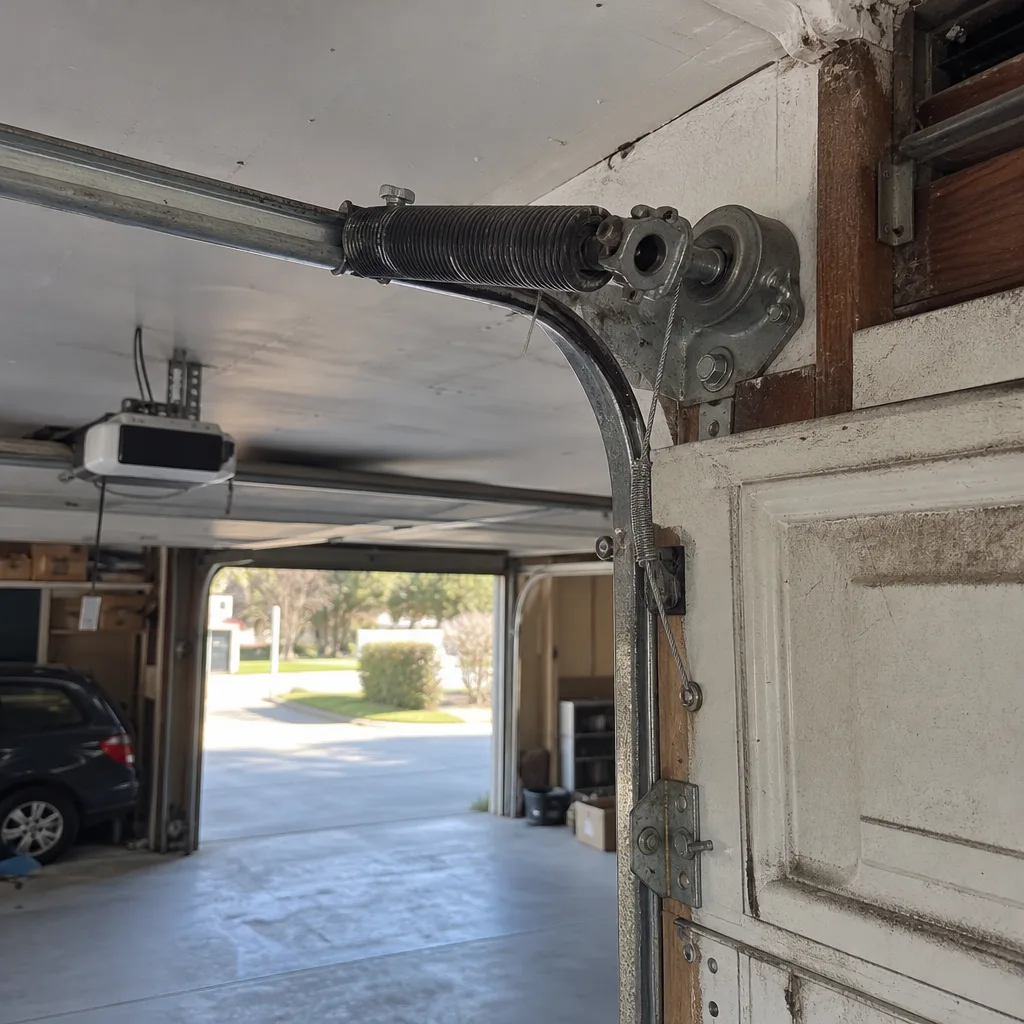 Before
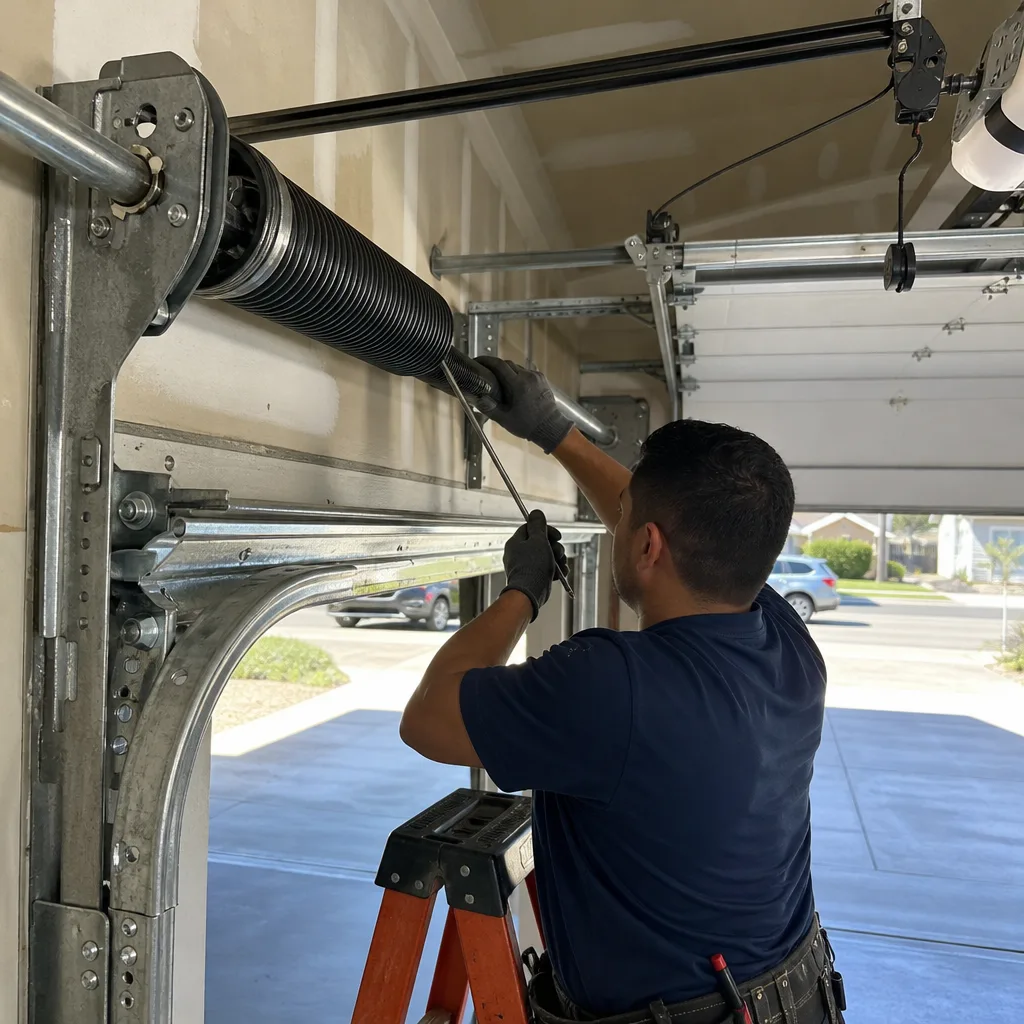 After
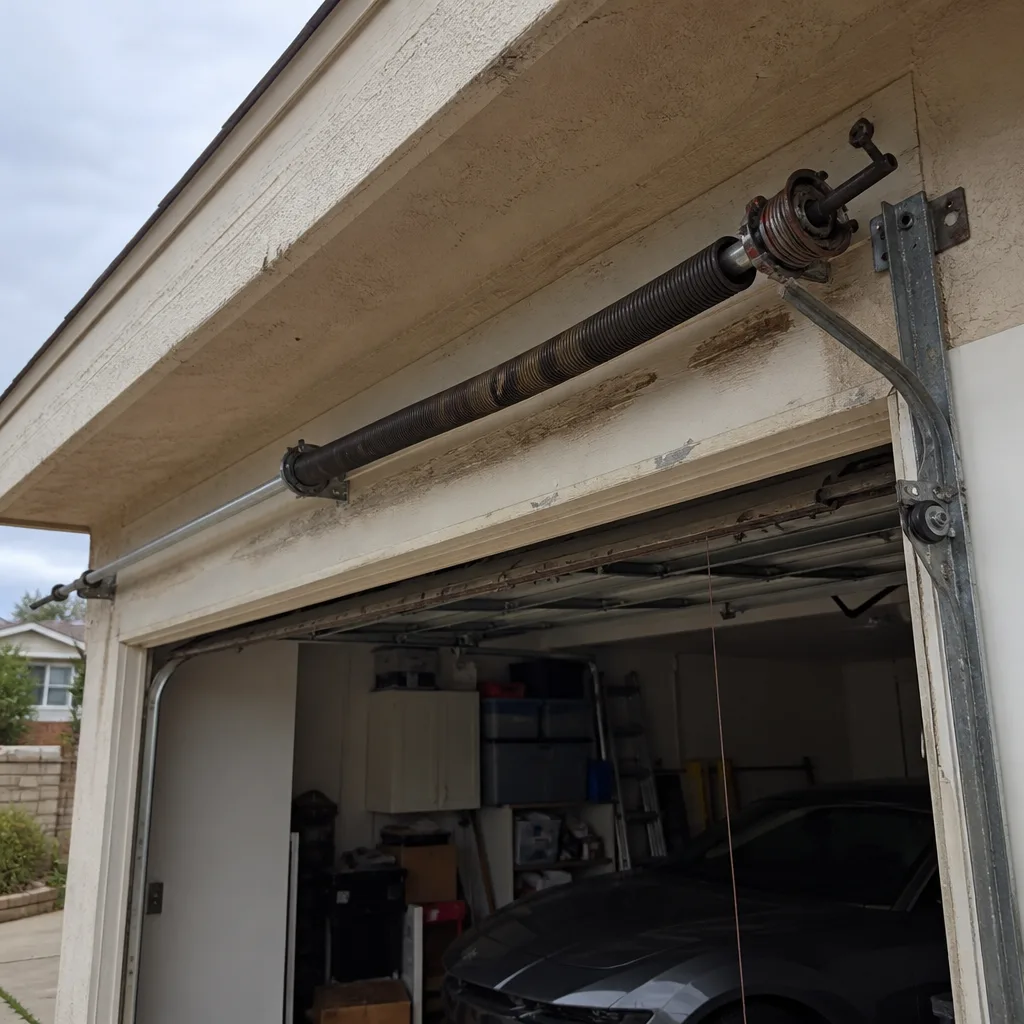 Before
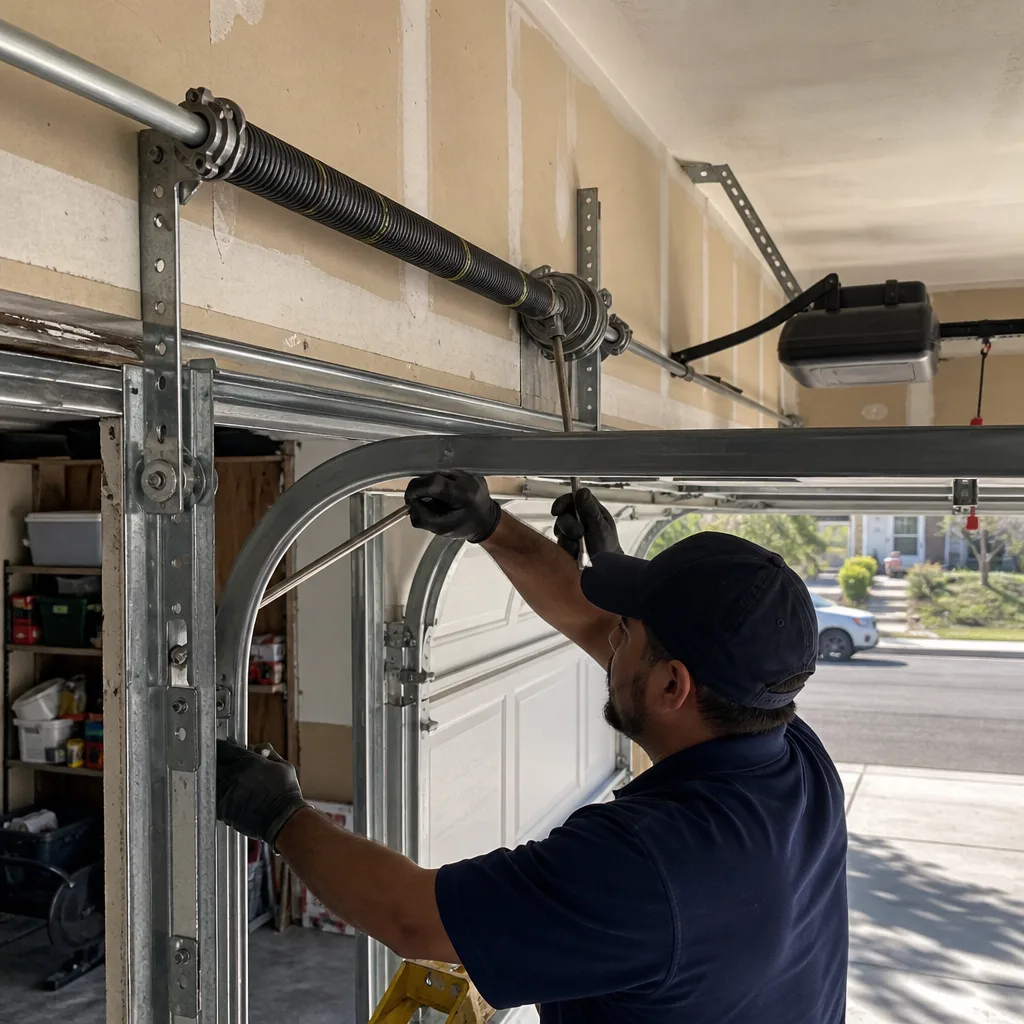 After
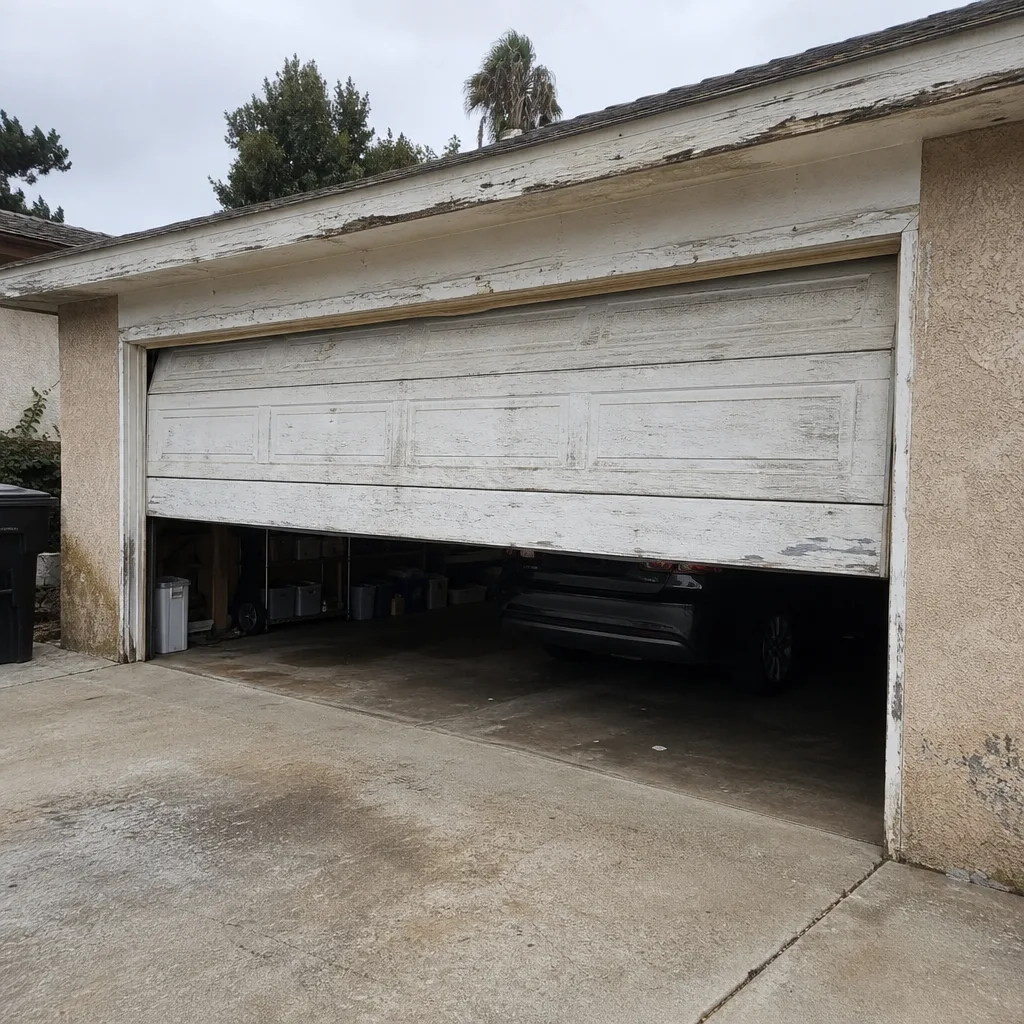 Before
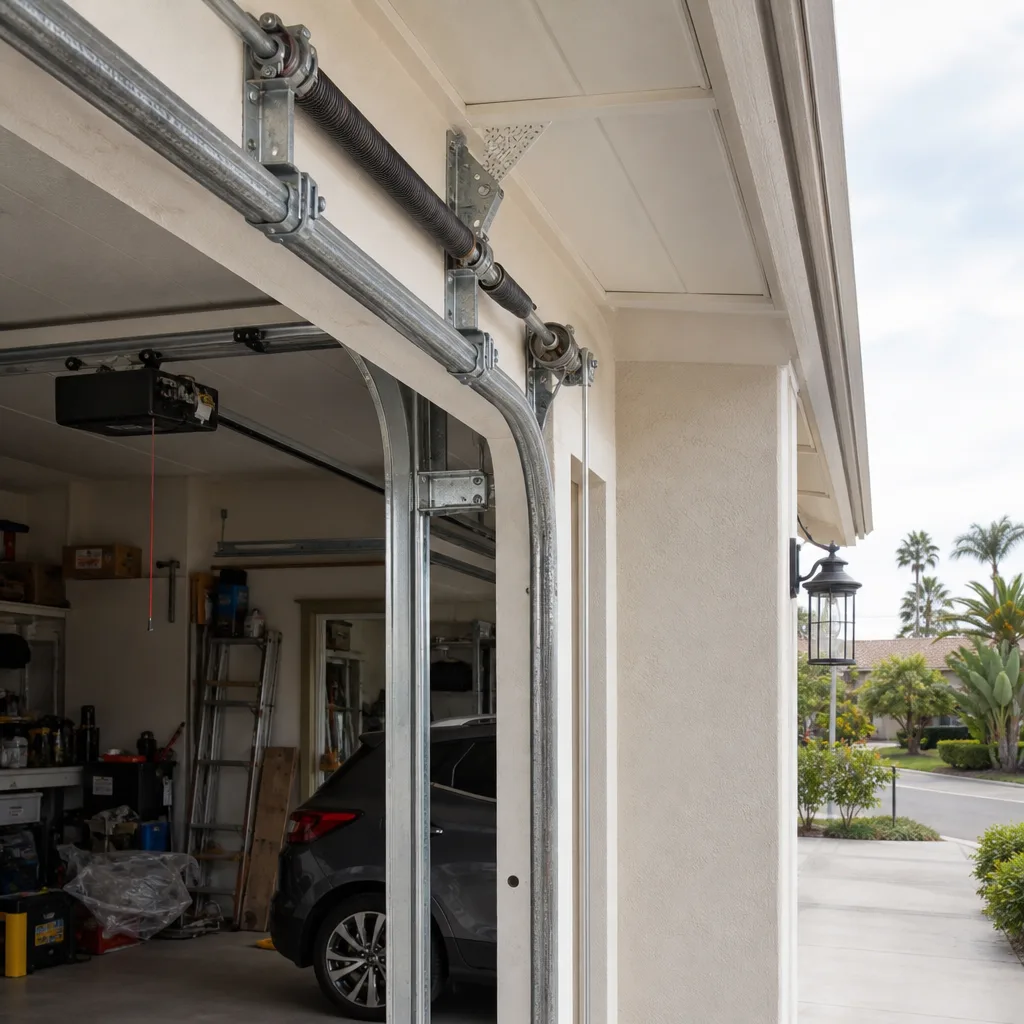 After