
Last updated October 30, 2026
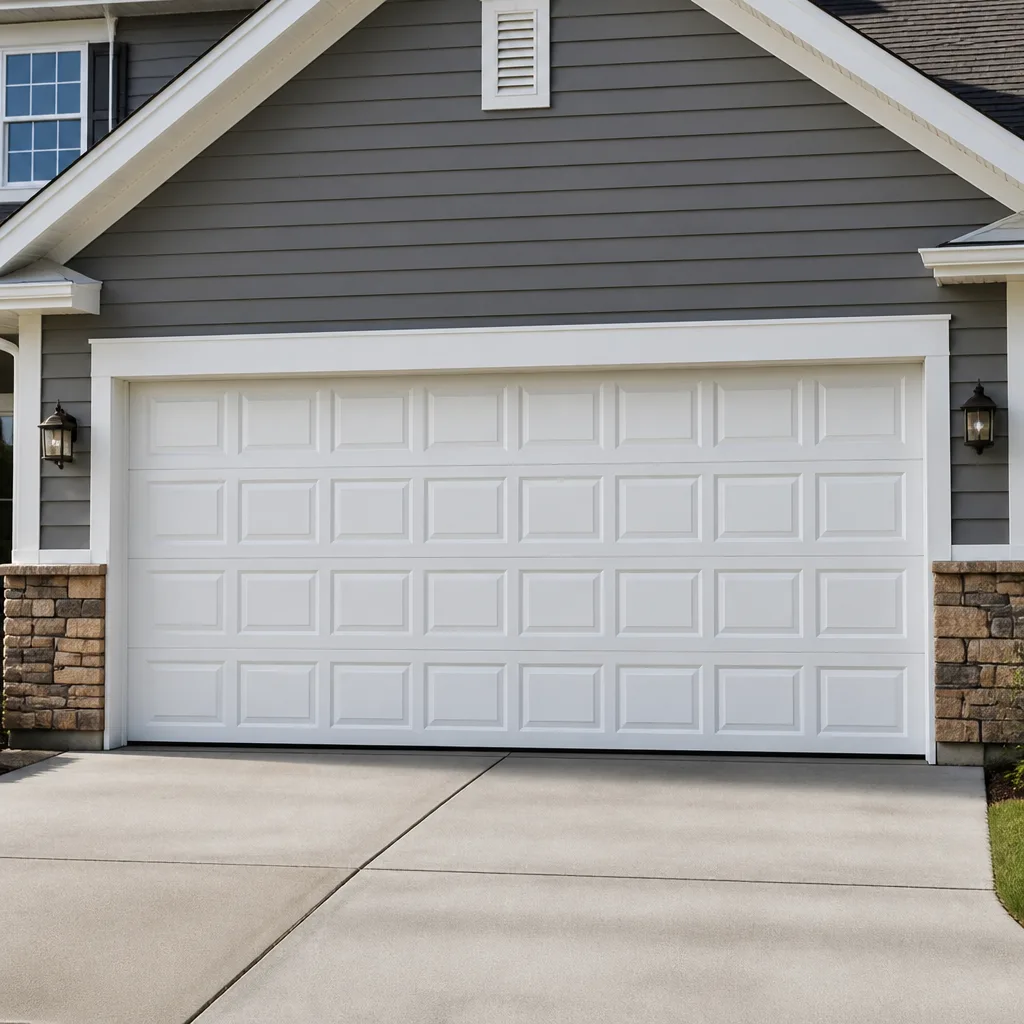 Raised-panel steel
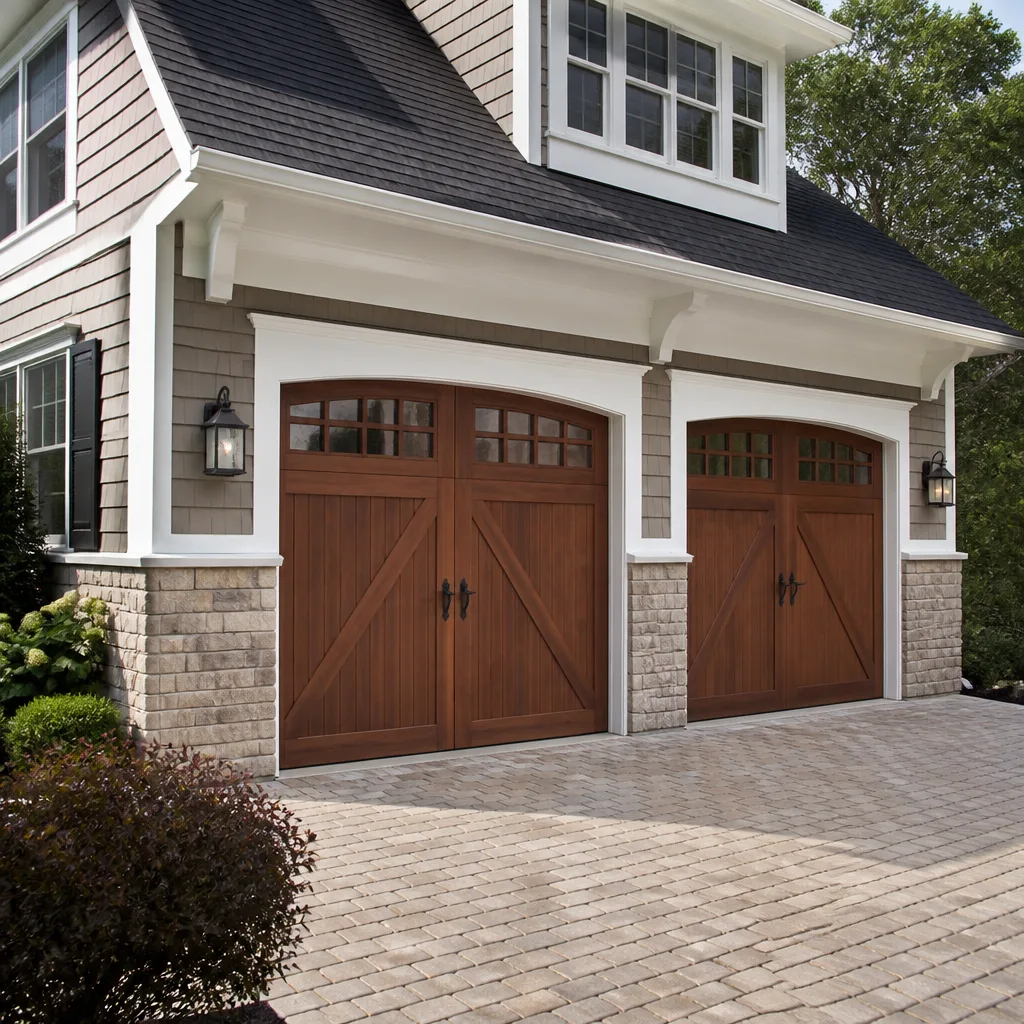 Carriage house
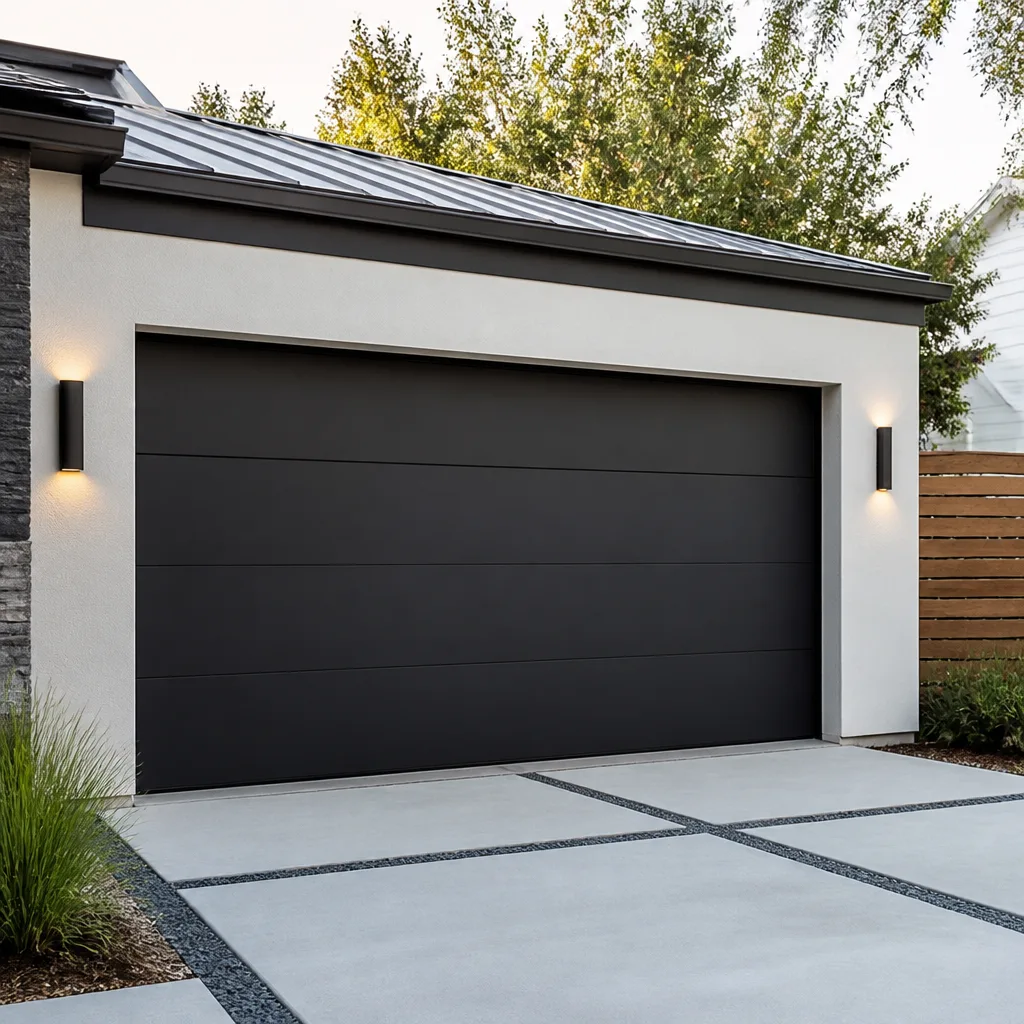 Modern flush
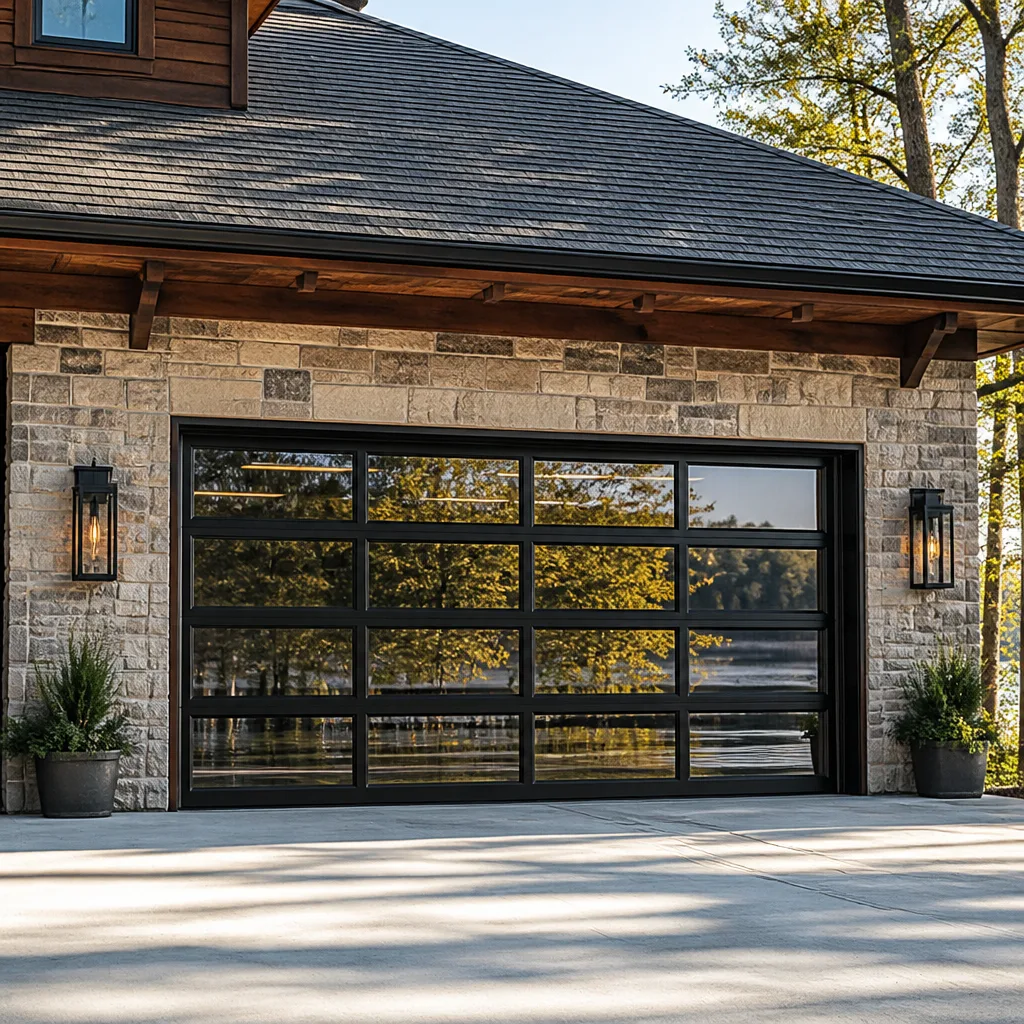 Full-view glass
 LiftMaster openers
 Chamberlain openers
Full 25-point door and opener safety check with every visit - springs, cables, rollers, tracks, and your LiftMaster or Chamberlain opener included
You get a price before we start. It does not change when the truck arrives.
Get your free estimateThe Complete Garage Door Repair Guide for Oceanside Homeowners
A garage door spring rated for 10,000 cycles can fail in half that time when it’s two miles from the Pacific, and most repair guides have never mentioned the word “corrosion” once. That’s the gap this guide closes. Oceanside’s salt air, marine layer, and UV exposure create a specific failure pattern that inland repair guides simply don’t address. By the time you finish reading, you’ll know which parts fail first in a coastal climate, which repairs you can safely handle yourself, which ones demand a trained technician from our Garage Door Repair services, and how to read your door’s hardware labels so you never buy the wrong part twice.
Styles & brands we work with
Quick Answer
Garage door repair in Oceanside typically costs between $125 and $450 for common fixes like spring replacement, cable repair, roller swaps, and track realignment, with most repairs completed in a single visit, as detailed in our The Complete Guide to Garage Door in Oceanside. The single biggest factor driving repair frequency in Oceanside is corrosion from salt air, which attacks springs, cables, hinges, and mounting hardware at roughly twice the rate seen in inland San Diego County cities like Vista or San Marcos. Coastal homeowners should inspect their door hardware every three months, not the six months most guides recommend, and should prioritize corrosion-resistant components when replacing anything.
Table of Contents
- How Oceanside’s Coastline Accelerates Garage Door Wear
- The Anatomy of Your Garage Door: What Each Part Actually Does
- Which Repairs Are DIY-Safe in Oceanside (and Which Ones Aren’t)
- How to Read Your Door’s Hardware Stamps and Labels
- Oceanside Seasonal Maintenance: Marine Layer vs. Santa Ana Winds
- Repair vs. Replacement: The Oceanside Cost Calculus
- The Oceanside Permit Question: When Repair Crosses Into Replacement
- Common Mistakes to Avoid
- When to Call a Professional
- Frequently Asked Questions
- The Bottom Line
How Oceanside’s Coastline Accelerates Garage Door Wear
The climate two blocks from the Strand is not the climate in the San Luis Rey Valley. Oceanside homes within a mile and a half of the coast live with airborne salt particulate, a marine layer that sits on metal surfaces for hours each morning, and UV index readings that run higher than nearby inland communities. Each of these factors attacks your garage door differently.
Salt air is the biggest culprit. It settles into the microscopic pores of galvanized steel, eats away at spring coatings, and creates rust at pivot points that mechanical motion then grinds wider. We see extension springs on coastal Oceanside doors with visible rust pitting within three years of installation, while identical springs in Fallbrook last five or more. Torsion springs fare slightly better because manufacturers apply thicker coating, but their coil gaps still trap salt residue.
The marine layer matters just as much as direct salt contact. From May through August, Oceanside mornings bring damp air that clings to door hardware until late morning. Metals that stay below the dew point for hours every day corrode faster than metals that dry quickly. The areas most affected on your door are the bottom roller brackets, the cable loops, and the hinge seams, all points where moisture pools and sits.
UV exposure adds a separate problem: any plastic or rubber component on the door’s weatherstripping, roller bodies, or opener housing degrades faster under Oceanside’s sunlight. Nylon rollers hold up reasonably well, but vinyl bottom seals and perimeter weatherstripping often crack and lose flexibility within two years, especially on west-facing doors in the Fire Mountain and South Oceanside neighborhoods.
What holds up in this environment? Galvanized and powder-coated steel hardware. Heat-treated torsion springs with a rust-inhibiting coating. Nylon rollers over steel rollers, not just for quieter operation but because nylon doesn’t corrode. Stainless-steel hinge plates, which cost a few dollars more than galvanized but last twice as long within salt-air range. When you replace parts, choose materials specifically for coastal salt exposure, not whatever’s on the shelf.
The Anatomy of Your Garage Door: What Each Part Actually Does
Before you diagnose anything, you need to know what system you’re looking at. Garage doors come in two broad mechanical designs, and the repair path differs significantly between them.
- Extension spring systems. These run along the horizontal tracks above your door, one on each side. When the door closes, the springs stretch; when it opens, they contract and help lift. Extension springs are more common on older Oceanside homes and on lighter single-car doors. They’re simpler to understand but fail without warning and can send a broken spring whipping across the garage if the safety cable is missing.
- Torsion spring systems. These sit on a metal shaft above the closed door, typically centered. The spring winds and unwinds under tension, lifting the door through torque rather than linear pull. Torsion systems are smoother, last longer, and fail more gracefully, but the spring itself carries an enormous amount of stored energy. No part of any DIY guide should ever suggest touching a torsion spring under tension.
Beyond the spring system, your door has track assemblies, hinge plates connecting each panel, roller wheels riding in the tracks, lift cables that do the actual pulling, a bottom bracket holding the cable to the door, weatherstripping along the bottom edge and sides, and the opener mechanism. The opener is its own subsystem, with a motor housing, a rail, a drive mechanism (chain, belt, or screw), safety sensors near the floor, and a logic board that controls all of it.
Knowing which system you have matters because troubleshooting proceeds differently. A door that’s unbalanced when you release the emergency pull cord points to a spring or cable problem. A door that cycles oddly but remains balanced points to the opener. We recommend Oceanside homeowners take 10 minutes to identify their door type, opener brand (LiftMaster, Chamberlain, Genie, and Craftsman are the most common openers we service in the area), and spring layout before any problem arises. That information speeds up any future repair call considerably.
Which Repairs Are DIY-Safe in Oceanside (and Which Ones Aren’t)
There’s a hard line in garage door repair, and it has nothing to do with your confidence level after watching a how-to video.
Repairs a careful homeowner can safely handle
- Weatherstripping replacement. The bottom seal slides out of its aluminum retainer channel, and the new one slides in. Expect to replace this every two years near the coast due to UV degradation. No tension, no risk, just a bit of soapy water as lubricant.
- Roller replacement on a door without a bottom cable bracket. If the roller is on a hinge plate, you can pop it out of the track and insert a new one by tilting the door slightly. The bottom two rollers, connected to the cable bracket, are off-limits: those cables carry the spring’s load.
- Track lubrication. Use white lithium grease or a silicone-based lubricant on the hinge pivot points and the track interior. Do this quarterly in Oceanside, not annually. The marine layer means lubrication breaks down faster.
- Sensor realignment. Opener safety sensors get bumped by bins, bikes, and surfboards, the usual garage traffic in Oceanside homes. Loosen the wing nut, adjust until the indicator light steadies, retighten.
- Remote control reprogramming. Every major opener brand has a straightforward reprogramming sequence in the owner’s manual, usually downloadable from the manufacturer’s website.
Repairs that demand a trained technician, every time
Spring repair and replacement, in both extension and torsion designs, is the top item on this list. Torsion springs contain enough stored energy to break bones or cause fatal injuries when mishandled. Cable replacement is equally dangerous for the same reason: cables carry spring tension, and a cable failure under load can throw components through the air. Track realignment involving loosened mounting brackets also falls here, since the door’s weight and spring tension must be managed simultaneously during the job.
One note specific to coastal Oceanside: rusted hardware compounds the risk. Bolts seized by corrosion require more force to loosen, and that extra force, applied at the wrong angle, sends a wrench into the track, the wall, or your face. If the hardware on your door is visibly rusted, the job gets harder and more dangerous, not easier. A trained professional with the right extraction tools and experience handling corroded Oceanside hardware is the correct call.
How to Read Your Door’s Hardware Stamps and Labels
Every garage door carries identifying marks, and reading them correctly saves money and time on every repair. Here’s where to look.
Spring markings. Torsion springs have painted colored ends, typically red, green, blue, or another solid color. That color identifies the spring’s wire gauge and coil diameter. Some manufactures stamp the wire size directly on the spring cone. Don’t rely on the old spring’s color alone, since fading happens fast in Oceanside sun, but combined with a measurement of the inside diameter and overall length, you can identify exactly what replacement spring your door needs.
Panel stamps and labels. Inside the upper edges of the door panels, look for a manufacturer sticker or ink stamp. Clopay, Amarr, Wayne Dalton, and Raynor panels each carry specific identifying codes that correspond to model lines, door weight, and panel thickness. This label is the fastest way to get the correct replacement panel or section if only part of your door is damaged.
Opener identification. The motor housing carries a model number plate on openers from every major brand. LiftMaster and Chamberlain model numbers begin with specific numerical sequences, Genie openers have model names like SilentMax or PowerMax, and Craftsman models usually carry a three-digit prefix followed by a model number. We’re factory-familiar with eight of the leading residential door and opener brands, so having that model number ready when you call Garage Door Repair in Oceanside means we can arrive with the right parts the first time.
Track and hardware stamps. Most galvanized track and hinge hardware carries a manufacturer mark and gauge thickness. Knowing the gauge matters when replacing individual sections, since mixing gauges creates track misalignment that eats rollers.
Oceanside Seasonal Maintenance: Marine Layer vs. Santa Ana Winds
Most garage door maintenance guides tell you to inspect twice a year. In Oceanside, the calendar splits into four climate phases, and each one demands different attention. Here’s the seasonal rhythm we recommend to every homeowner within the city limits.
May through August: Marine layer months
- Inspect bottom weatherstripping for brittleness and gaps. Salt-tinged morning moisture collects at the seal line.
- Wipe down exposed springs, cables, and hinge plates with a dry cloth to remove salt residue buildup. Do this monthly.
- Check all roller bearings for grinding sounds, which indicates corrosion has infiltrated the ball bearings.
- Lubricate hinge pivot points and the opener rail with silicone spray every 60 days.
September through November: Santa Ana dry winds
- Dust and fine grit accumulate in track channels during high-wind periods. Vacuum or wipe tracks clean.
- Lubrication dries out faster in low-humidity air. Reapply silicone spray to hinges and rollers.
- Check the door balance by pulling the emergency release and manually lifting the door halfway. It should stay put. If it drops, your springs are wearing.
- Verify safety sensors are still aligned; Santa Anas can rattle doors and knock sensors askew.
December through February: Cool and damp
- Cold temperatures thicken grease, making the opener work harder. Listen for strain on the motor during cold mornings.
- Check for condensation forming on metal parts overnight and wipe dry when you notice it.
- Test the auto-reverse function on your opener. The door should reverse when it meets resistance.
March and April: Transition and pre-coastal inspection
- Do a full corrosion survey: springs, cables, hinges, mounting brackets, and the bottom panel edge.
- Replace anything showing visible rust pitting, especially on extension spring safety cables.
- Have a professional tune-up if the door hasn’t been serviced in two years or more. A technician checks spring torque, cable tension, and opener force settings, items you can’t safely evaluate yourself.
Repair vs. Replacement: The Oceanside Cost Calculus
Here’s the decision framework, also covered in our DIY vs Professional Garage Door: The Oceanside Homeowner’s Decision Guide, that we walk through with every Oceanside homeowner facing a significant repair bill. The coastal variable changes the math.
Single-part repairs make sense when the rest of the door is under eight years old and showing minimal corrosion. A broken spring on a well-maintained door is a $200-$350 fix. A snapped cable runs $150-$225. A bad opener logic board might be $125-$200 if the opener is still in production. These are maintenance costs, and every door accumulates them.
Replacement enters the conversation when corrosion has touched multiple systems simultaneously. We’ve seen coastal doors where rusted hinges have warped the panel edges, the spring has lost lift capacity, and the tracks are pitted. Repairing all of that at once approaches 60-70% of a new door’s cost, and you’re still left with a door whose panels and hardware carry seven-plus years of salt exposure. In those cases, replacement is the more honest recommendation.
The numbers to guide your thinking, based on the Oceanside market, are straightforward. Below is what we currently see homeowners paying.
| Repair Item | Typical Oceanside Cost Range |
|---|---|
| Torsion spring replacement (pair) | $200 – $350 |
| Extension spring replacement (pair) | $150 – $275 |
| Cable replacement (single) | $150 – $225 |
| Roller replacement (set, nylon) | $125 – $200 |
| Opener logic board repair | $125 – $250 |
| Full opener replacement (installed) | $425 – $750 |
| Single panel replacement | $300 – $600 depending on brand |
| Complete new door (single-car) | $1,100 – $2,400 |
These are ranges, not quotes. Your specific door brand, size, insulation level, and hardware condition all move the numbers. If you want an exact figure, call us at (844) 295-2241 and we’ll provide a written estimate. The price we quote is the price you pay, agreed before any work begins.
The other factor worth naming directly: waiting. Every month you run a deteriorating door in coastal Oceanside, the corrosion compounds. A $200 spring today is still a $200 spring next month, but it’s a $3,000 replacement door in two years if the worn spring starts dragging the door unevenly and warping the track. Repair early, even when the problem feels like it can wait.
If you’re weighing a new door, we represent doors from Clopay, Amarr, Wayne Dalton, and Raynor. Visit our Garage Door Installation in Oceanside page for what’s involved and what to expect on timeline and process.
The Oceanside Permit Question: When Repair Crosses Into Replacement
The quick rule: repairs do not require a permit, replacements usually do, and the line is whether you’re changing the structural opening or the door system.
The City of Oceanside, through its Building Division, requires a permit when a garage door replacement involves structural changes to the opening, such as reframing the header, enlarging the rough opening, or converting a single door to a double door. A like-for-like replacement, swapping an existing door for a new one of the same size and mounting configuration, typically falls under minor repair and replacement exemptions. However, Oceanside’s coastal zone overlays, particularly in neighborhoods west of Interstate 5 and in the historic district near the pier, may trigger additional design review requirements for any exterior change, including door style changes visible from the street.
The practical way to handle this: if your existing door is being replaced with a new door of the same dimensions, your contractor handles the permit check and tells you what’s required. If you’re enlarging the opening, changing door type (tilt-up to sectional, for example), or live in a designated historic or coastal review zone, expect a permit and possibly a design review. We handle the technical inspection and preparation for any Oceanside permit application as part of our Garage Door Installation in Oceanside service.
Common Mistakes to Avoid
- Skipping the spring safety cable on extension spring doors. In Oceanside’s salt air, extension springs rust faster and snap with less warning. Without a safety cable through the spring’s center, a snapped spring becomes a projectile. This is a $15 part that prevents serious injury. Install it if it’s missing.
- Using WD-40 on door tracks and rollers. WD-40 is a solvent, not a lubricant. It strips away existing grease and leaves metal more exposed to salt air. Use white lithium grease or silicone spray instead.
- Replacing a spring without measuring the old one. Springs are not one-size-fits-all. The wire gauge, coil diameter, and overall length determine the correct part. Guessing wrong installs a spring that either won’t lift the door or over-torques the opener. Read the color code and measure before buying.
- Ignoring a garage door that sits crooked in its opening. A door that sits unevenly by even half an inch is telling you something: worn spring, stretched cable, or a failing hinge. In coastal air, that half-inch gap also lets in the marine layer, accelerating rust inside the door.
- Replacing the opener motor when the problem is a spring. Openers wear out, but a door that strains to open is usually a spring losing lift capacity, not an opener losing power. Replacing the opener without addressing the spring just transfers the strain to the new motor.
- Doing spring or cable work yourself after watching a video. Garage door springs and cables kill people every year. Even experienced contractors get hurt. This is not about skill. It’s about physics. Hire someone who does this work every day.
- Deferring maintenance because the door still opens. By the time a garage door fails to open in Oceanside, the underlying corrosion has usually been present for months. Quarterly inspections catch the rust before the break.
When to Call a Professional
Call a technician for any spring or cable issue, any track realignment, any door that won’t stay balanced when manually opened, and any opener malfunction involving the motor, logic board, or safety sensors. These jobs carry either serious injury risk or require specialized diagnostic tools, and none of them get easier with delay. Also call if your door is more than 10 years old and you’re making your second major repair in a 12-month span: at that point, you’re paying into a system that’s reached the end of its reliable life. Canyon Garage Door Repair offers free estimates in Oceanside. Call (844) 295-2241 and we’ll assess what’s actually wrong and quote a fair price before any work begins. We’re garage door specialists, not generalists, and you can read more about what we cover on our Canyon Garage Door Repair home page.
Frequently Asked Questions
Garage door spring replacement in Oceanside typically costs $150 to $350 depending on whether your door uses an extension or torsion spring system, the spring’s wire gauge, and the door’s weight. Coated torsion springs designed for coastal environments run higher than standard springs because the corrosion-resistant coating adds material cost. Call (844) 295-2241 for a written quote before any work starts, and the price is the price, no surprises.
Salt air and marine layer moisture are the answer. Homes within two miles of the Pacific, which covers most of Oceanside west of College Boulevard, live with airborne salt particulate that settles into door hardware and accelerates oxidation. Inland cities like Temecula get dry heat, which doesn’t corrode metal nearly as quickly. The fix is quarterly cleaning of exposed metal parts and choosing galvanized or powder-coated replacements.
No. Extension and torsion springs carry enormous stored tension, and releasing that tension incorrectly can cause severe injury or death. Spring replacement is the single most dangerous residential repair most homeowners will ever confront. Hire a trained technician who does this work daily and carries the insurance to stand behind it.
Every Oceanside homeowner should do a basic visual and functional check quarterly, and schedule a professional tune-up every two years. The coastal climate demands more frequent attention than inland doors. If you live within a mile of the beach, move the professional interval to every 18 months, since spring torque and cable tension drift faster in salt air.
A grinding noise usually comes from worn rollers, a misaligned track, or a failing drive gear inside the opener. Pull the emergency release and run the door up and down manually. If the grinding continues with the opener disconnected, the problem is the door hardware. If the noise disappears, it’s the opener. Canyon Garage Door Repair offers dedicated Garage Door Opener Repair in Oceanside, and we work on LiftMaster, Chamberlain, Genie, Craftsman, and all other major opener brands.
Like-for-like replacements of the same size and mounting configuration typically do not require a permit in Oceanside, but homes in coastal design review zones or changing door sizes or types likely do. Your installer should verify the specific requirement for your address before ordering materials.
The Bottom Line
Oceanside garage doors fail differently than inland doors, and the homeowner who treats them the same pays for it twice. Salt air corrodes springs and cables; marine layer moisture accelerates rust at every hinge and pivot point; UV exposure cracks seals and plastic components on west-facing doors. The countermoves are quarterly inspections, corrosion-resistant replacement parts, and a hard line between safe DIY maintenance and professional-level repairs. Learn your door’s anatomy, read its hardware labels, and respect the seasonal maintenance calendar. When something needs professional attention, call a specialist who works on your specific brand and knows coastal corrosion patterns, or explore our more guides & resources for additional help. Canyon Garage Door Repair handles the full door lifecycle, from a worn spring to a brand-new door. Call (844) 295-2241 for a free estimate in Oceanside.
Written by the team at Canyon Garage Door Repair, serving Oceanside since 2017.
See the difference
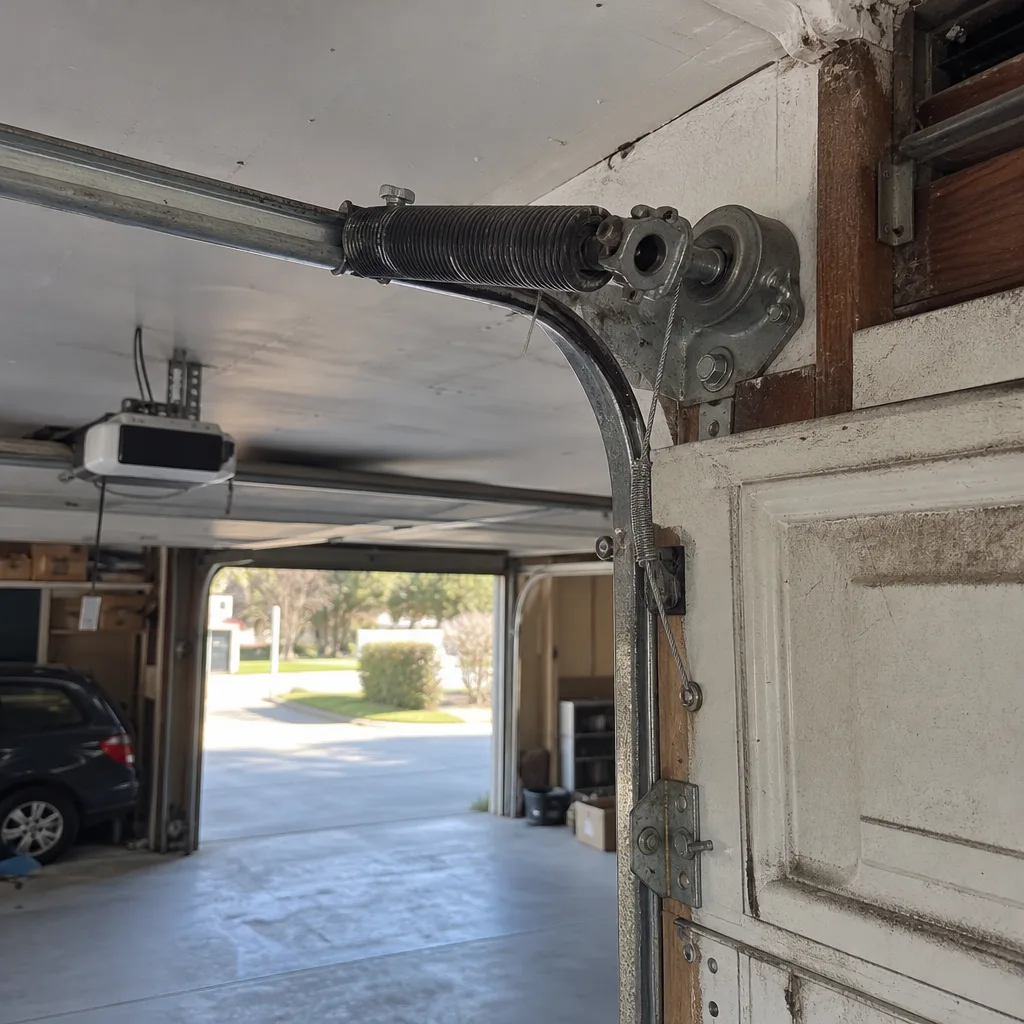 Before
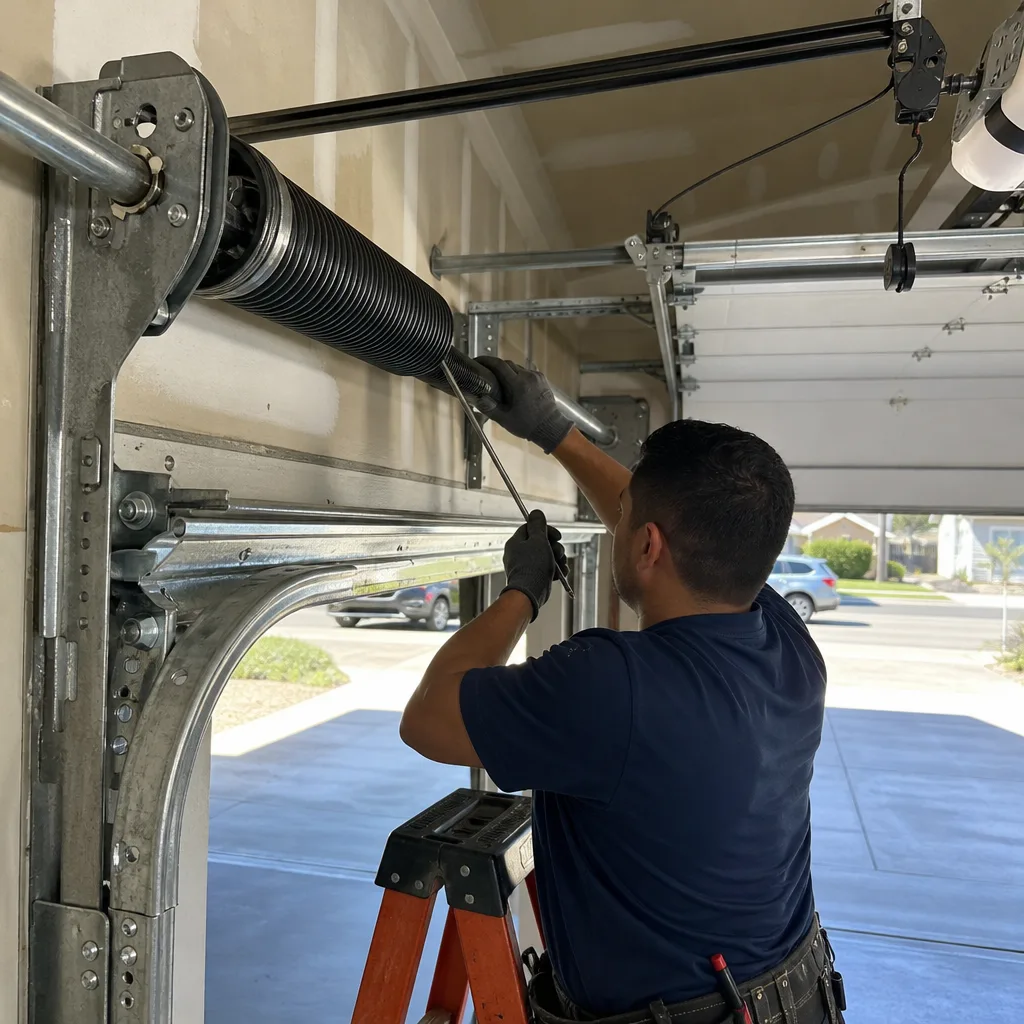 After
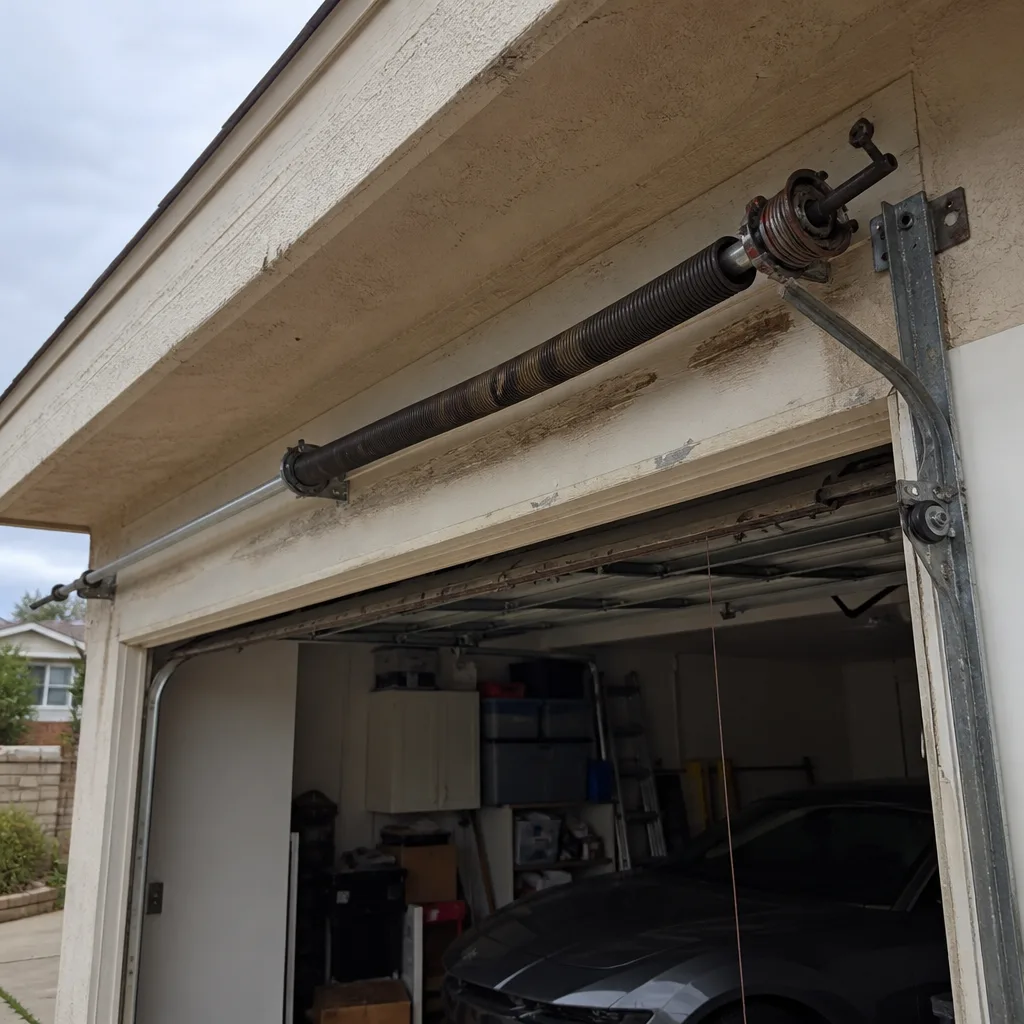 Before
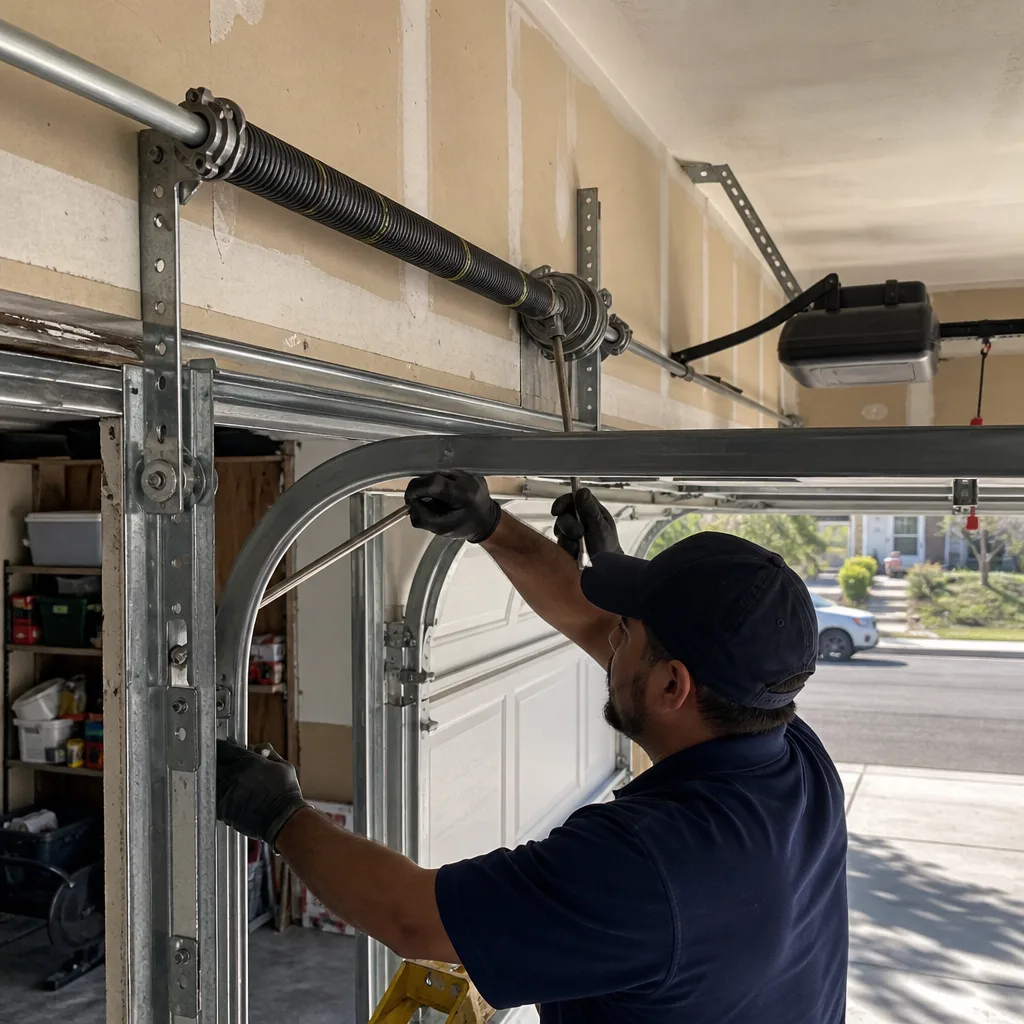 After
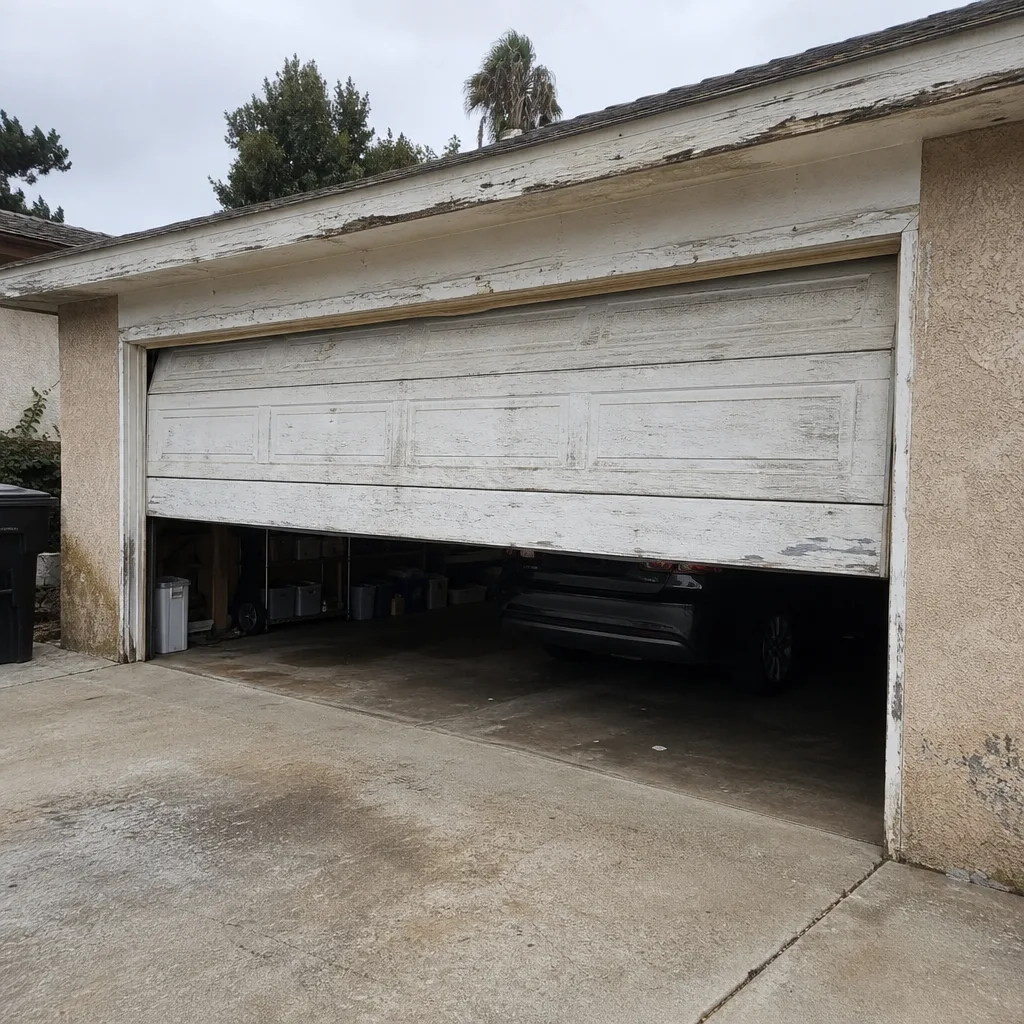 Before
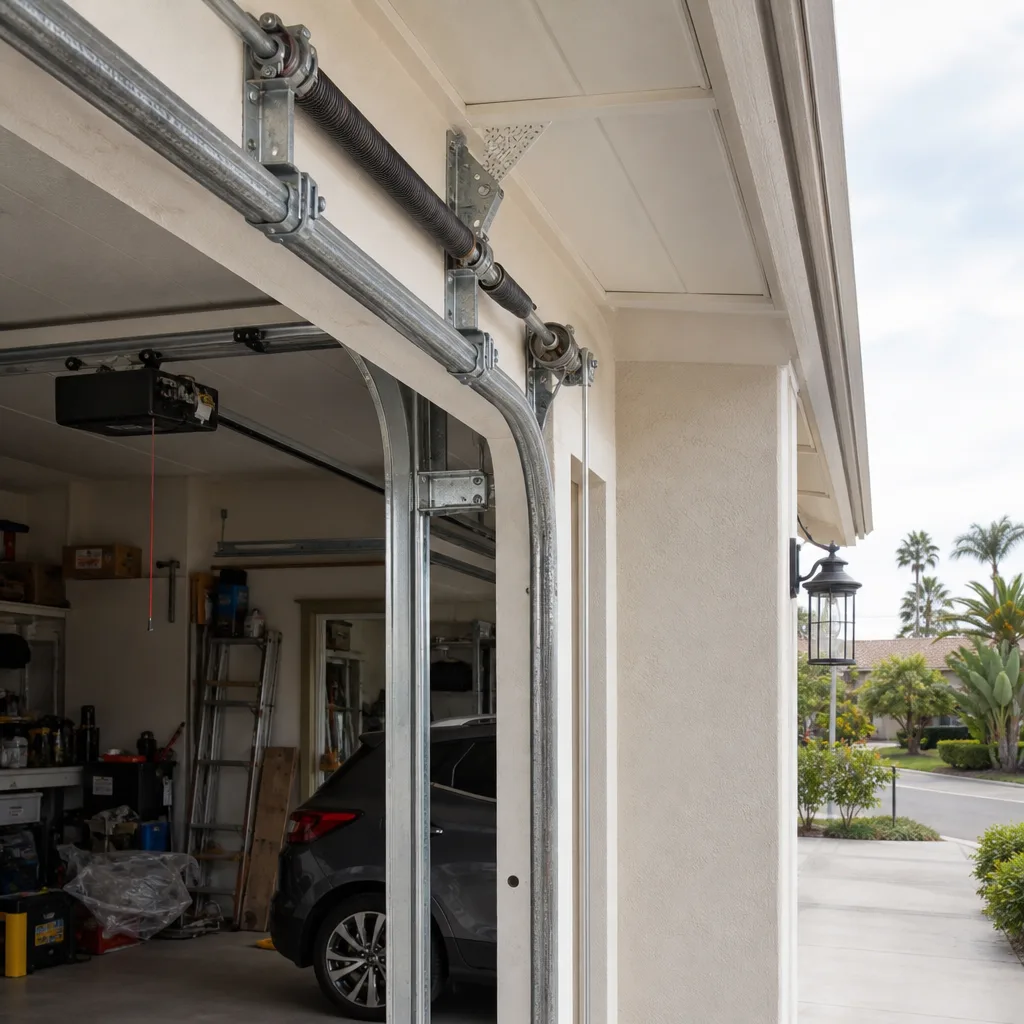 After